Weekend Home Improvement Ideas and Interior Design Inspiration
Outline and Why Small Home Changes Matter
Home improvement does not always begin with a contractor, a huge budget, or a dramatic renovation plan. Often, the most satisfying changes start on a quiet weekend, when a lamp is moved, a wall is painted, or a forgotten corner becomes useful again. Thoughtful upgrades can raise comfort, improve storage, and refresh the mood of a room without turning daily life upside down. This article explores practical ideas and design inspiration that help ordinary homes feel more personal, efficient, and inviting.
For many households, the appeal of weekend projects is simple: they are easier to plan, easier to afford, and easier to finish. A full remodel can take months and force major decisions all at once, while smaller improvements allow people to test ideas, learn basic skills, and see results quickly. That matters because homes are lived in, not staged forever. A better entryway can reduce morning stress, improved lighting can make a kitchen safer to use, and a well-chosen paint color can shift the feeling of a room from flat to welcoming. These are modest changes, but they shape daily experience in a real way.
The article follows a clear structure so readers can move from inspiration to action:
- Home improvement ideas that offer strong visual or practical impact
- Interior design principles that help rooms feel balanced and intentional
- Weekend projects that are realistic for busy schedules
- Comparisons between low-cost fixes and more durable upgrades
- A closing plan for choosing the right project based on time, skill, and budget
This approach matters because design and maintenance are closely linked. A beautiful room that lacks storage soon feels chaotic, while a functional room without warmth can feel unfinished. Good home improvement sits in the middle, where usefulness meets atmosphere. Think of it like tuning an instrument rather than replacing it: a few careful adjustments can make everything sound better. Whether you live in a compact apartment, a suburban house, or a place that needs a little rescue after years of neglect, weekend upgrades can build momentum. One finished project often leads to the next, and that growing sense of progress is part of what makes home improvement so rewarding.
High-Impact Home Improvement Ideas That Change Daily Life
The most effective home improvements are often the ones that solve a daily annoyance while also making a room look better. Paint is the classic example. A fresh coat can brighten a dim hallway, soften a harsh bedroom, or give worn cabinets a second life at a fraction of replacement cost. Light colors usually make small rooms feel more open, while deeper shades can add comfort and visual depth in larger spaces. The key is not choosing the trendiest color in a catalog, but selecting one that works with your natural light, flooring, and furniture.
Lighting is another upgrade with outsized results. Many homes rely on a single overhead fixture, which tends to create flat, uneven light. Replacing outdated bulbs, adding a floor lamp, or installing under-cabinet lighting can improve visibility and mood at once. According to the U.S. Department of Energy, LED bulbs use at least 75 percent less energy and last far longer than traditional incandescent bulbs, so this change can also support lower utility costs over time. In practical terms, better lighting makes it easier to cook, read, clean, and even relax at the end of the day.
Storage improvements also deserve attention because clutter changes how a space feels. A room with enough storage often appears larger, even if its square footage has not changed. Compare two living rooms of the same size: one has baskets, shelves, and a media cabinet that hides cables; the other has piles of loose items on open surfaces. The first feels calmer because the eye can rest. Simple upgrades such as floating shelves, entry benches with shoe storage, over-toilet bathroom shelving, and drawer organizers can create that effect without major construction.
Some of the best weekend upgrades combine appearance with efficiency:
- Recaulking a bathtub or sink to refresh the room and prevent moisture problems
- Replacing cabinet hardware for a quick style update in kitchens and bathrooms
- Sealing drafty windows or doors to improve comfort and reduce wasted energy
- Installing peel-and-stick backsplash panels for a cleaner, more finished look
- Updating switch plates, outlet covers, and door handles for visual consistency
It is also useful to compare cosmetic projects with performance upgrades. Painting a room changes the look immediately, but weatherstripping improves comfort every day. New curtains may frame a window beautifully, but a thermal liner can help with heat control as well. When planning, aim for a mix of both. The strongest home improvement strategy is not just making a place prettier for a photograph; it is making it easier to live in from Monday morning to Sunday night.
Interior Design Inspiration: How to Make Rooms Feel Cohesive and Personal
Interior design inspiration is most helpful when it moves beyond imitation. A picture-perfect room on a screen can spark ideas, but a real home has different dimensions, habits, and light conditions. The goal is not to copy a style exactly. It is to understand why a room works, then adapt those lessons to your own space. In most cases, the strongest interiors balance four things: color, scale, texture, and function. When one of these is ignored, a room can feel awkward even if each item is attractive on its own.
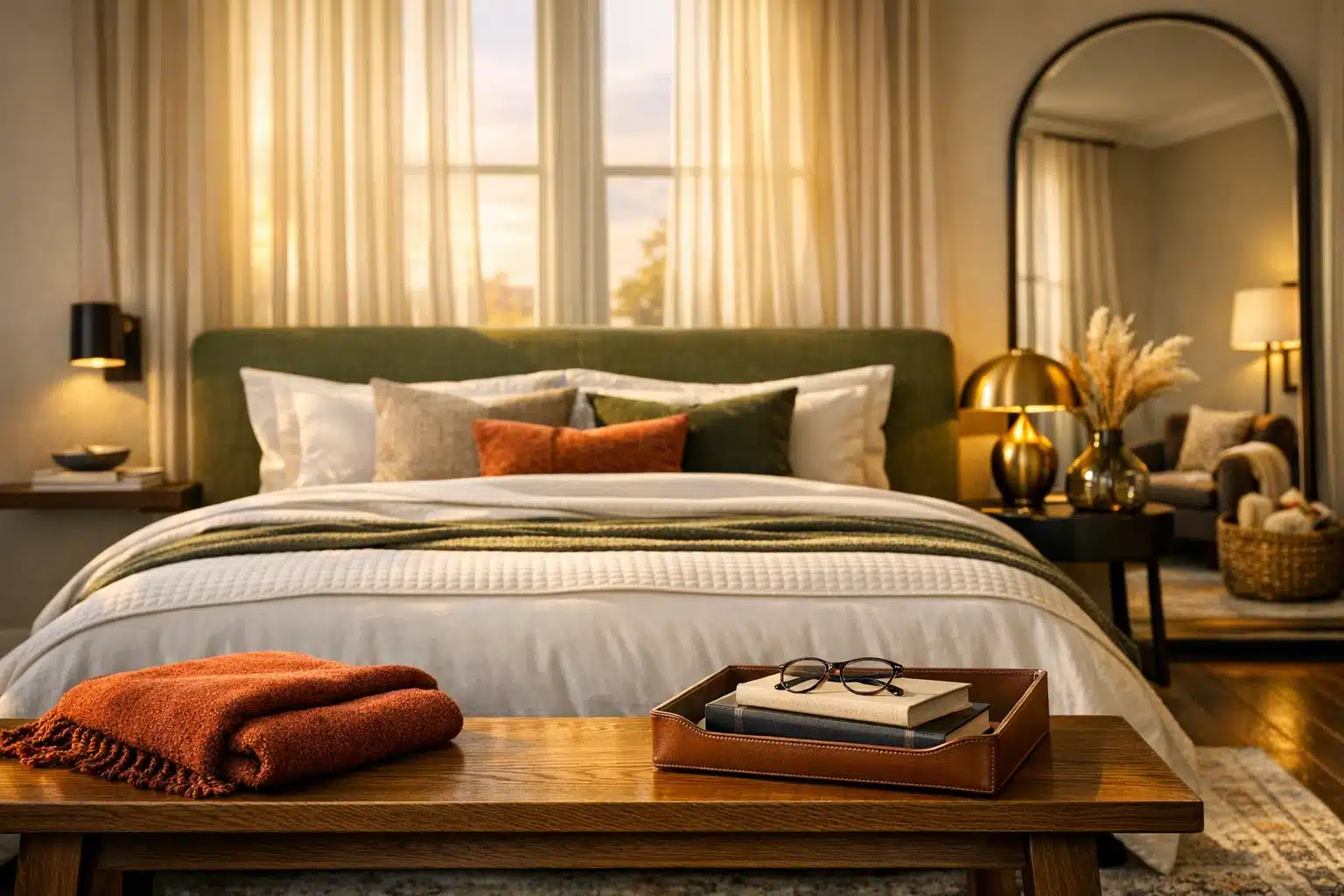
Start with a simple palette. Many designers build a room around a quiet base, then add contrast through textiles, art, and smaller accents. This does not mean every space must be neutral. It means the major surfaces should cooperate. For example, warm white walls, medium wood tones, and olive or rust accents can create a grounded, natural feeling. By contrast, a cooler scheme with gray, blue, and black may feel crisp and modern. Neither is automatically better. The better choice is the one that matches the home’s architecture, available light, and the atmosphere you want to create.
Style comparisons can help narrow decisions. Scandinavian-inspired rooms usually emphasize pale woods, soft textiles, uncluttered surfaces, and functional simplicity. Traditional interiors often lean on richer wood finishes, layered fabrics, and more decorative detail. Industrial spaces may feature darker metals, exposed materials, and stronger contrast. If you love parts of several styles, that is normal. Most lived-in homes are hybrids. The trick is to repeat a few unifying elements so the mix feels intentional rather than accidental.
Useful design habits include the following:
- Layer lighting with overhead, task, and accent sources instead of depending on one fixture
- Mix textures, such as linen, wood, ceramic, glass, and woven fibers, to avoid a flat look
- Use rugs to define zones, especially in open-plan rooms
- Choose furniture that suits the scale of the room instead of filling every inch
- Repeat one or two colors through pillows, art, or accessories to tie the space together
There is also a practical side to beauty. A stylish room that ignores traffic flow quickly becomes frustrating. Coffee tables should allow comfortable movement, dining chairs need room to pull out, and bedside lighting should actually support reading or winding down. Good design feels almost invisible because it makes life smoother. A well-designed room does not shout for attention from every corner; it invites you in, then quietly proves it understands how you live.
Weekend Home Projects You Can Actually Finish
A good weekend project has a clear beginning, a manageable middle, and a satisfying finish. It should improve the way a home functions or feels without dragging into the next month. That is why small carpentry, paint, organization, and décor upgrades tend to work so well. They are large enough to make a visible difference, yet contained enough that most people can complete them with basic tools and a little planning.
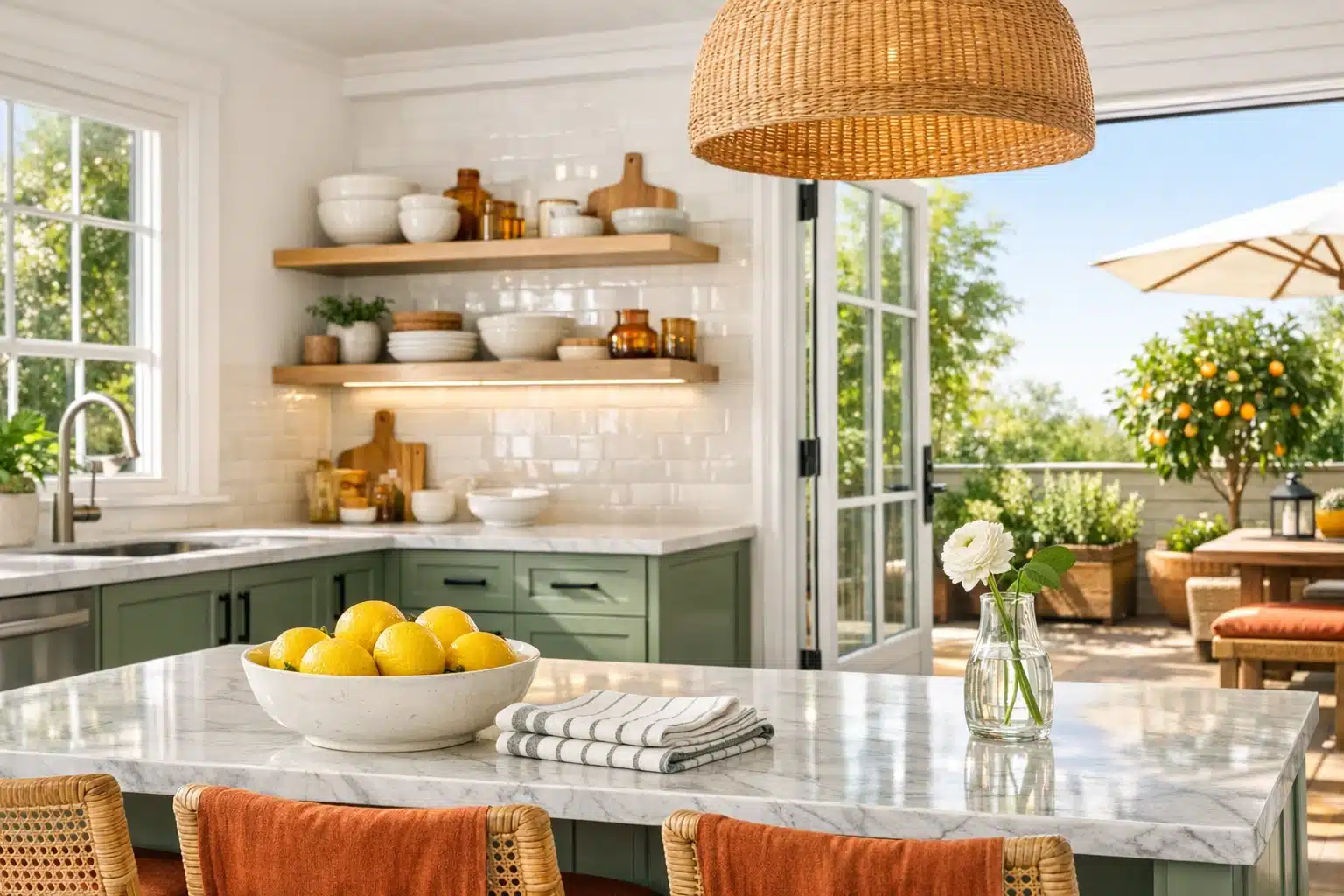
One of the most useful projects is creating an entryway drop zone. Even in a small home, a wall-mounted hook rail, narrow bench, tray for keys, and basket for shoes can transform the first few minutes after walking in the door. Instead of coats drifting across dining chairs and bags landing wherever gravity wins, everything has a landing place. This kind of project is especially valuable because it reduces visual noise while adding convenience. Another smart option is building or installing floating shelves in a kitchen, office, or living room. Shelves can display useful items and decorative pieces at the same time, blending storage with personality.
Painting is still one of the strongest weekend wins. An accent wall, a painted vanity, or refreshed trim can sharpen a room dramatically. If you want a project with a little more personality, a gallery wall is another strong candidate. It works best when there is a plan behind it. Lay frames on the floor first, keep spacing fairly consistent, and anchor the arrangement around a central piece. The result can turn a blank corridor into a visual story rather than a pass-through zone.
Projects worth considering include:
- Updating bathroom caulk and hardware for a cleaner, newer appearance
- Installing peel-and-stick wallpaper in a powder room, nook, or behind shelves
- Organizing a linen closet with labeled bins, shelf risers, and matching baskets
- Adding weatherstripping to doors or windows before a change in season
- Refreshing outdoor containers, house numbers, or porch lighting to improve curb appeal
It helps to compare projects by effort and permanence. Peel-and-stick wallpaper is fast and renter-friendlier than traditional paper, but it may not last as long in humid conditions. New cabinet hardware is inexpensive and easy to reverse, while repainting cabinets takes more prep but delivers a larger visual shift. Open shelving adds display space, yet closed storage hides clutter more effectively. Choosing well means matching the project to your home, patience, and skill level.
Safety and preparation also matter. Measure before buying, protect surfaces, allow paint or adhesive time to cure, and keep a realistic schedule. A weekend project should feel energizing, not chaotic. When tools are laid out, instructions are understood, and the task fits the hours available, even a modest project can feel like a small domestic triumph.
Conclusion: Choosing the Right Upgrade for Your Home, Budget, and Weekend
The best home improvement ideas are not always the biggest or the most expensive. They are the ones that solve real problems, suit the character of the home, and fit comfortably within the time and money available. For busy homeowners, first-time decorators, and even renters working within certain limits, the smartest approach is usually to begin with observation. Notice which spaces create friction. Is the kitchen too dark in the evening? Does the entryway collect clutter? Does the living room feel unfinished because the layout is off or the lighting is too harsh? Those questions point toward better projects than trend chasing ever will.
A useful planning method is to divide ideas into three groups: quick cosmetic changes, functional upgrades, and longer-term investments. Cosmetic changes include paint, textiles, art, and hardware. Functional upgrades include storage systems, improved lighting, air sealing, and better furniture placement. Longer-term investments might involve flooring, built-ins, or more durable materials. This breakdown helps prevent two common mistakes: spending too much on surface changes that do not improve daily life, or postponing all improvements because the perfect renovation is not possible right now.
Before starting, make a short project checklist:
- Define the problem you want to solve
- Set a clear budget range with a small cushion for extras
- Measure the area carefully and verify materials
- Decide whether the project is DIY-friendly or better for a professional
- Plan the finish, cleanup, and styling so the result feels complete
This is where weekend work becomes especially valuable. It teaches what your home needs through direct experience. After painting one room, you learn how color behaves in your light. After reorganizing a closet, you understand which storage solutions actually suit your routines. After replacing one fixture, you see how a practical decision can also influence atmosphere. Homes reveal themselves gradually, almost like conversations that improve once someone starts listening.
For readers looking to make meaningful progress without overcomplicating the process, the message is simple: start small, choose thoughtfully, and finish what you begin. A lamp, a shelf, a gallon of paint, or a cleaner layout may not sound dramatic on its own, yet these choices accumulate. Over time, they turn a serviceable house into a more efficient, comfortable, and personal home.