Seasonal Activity Ideas: Summer Fun, Autumn Outdoors, and Spring Gardening
Why Seasonal Activities Matter and What This Guide Covers
Seasonal activities do more than fill a weekend calendar; they shape how people connect with weather, local spaces, family routines, and personal well-being. A warm July afternoon invites movement and water, a bright autumn day rewards slow exploration, and early spring offers the satisfying promise of planting something that may soon bloom or feed a household. Learning how to match activities to each season helps readers use time more intentionally while spending money, energy, and attention more wisely.
There is also a practical side to this topic. People often say they want to spend more time outdoors, exercise more regularly, or make their homes feel more alive, yet many struggle because their plans are too vague. Seasonal thinking solves that problem. Instead of asking, “What should we do sometime?” it asks, “What makes sense right now?” That shift is useful for families with children, busy professionals, retirees, students, and anyone trying to build more meaningful routines without turning leisure into another stressful obligation.
- Summer works especially well for water-based fun, evening events, travel, and social gatherings.
- Autumn favors cooler-weather walks, scenic drives, harvest outings, and longer outdoor adventures.
- Spring is ideal for starting gardens, refreshing outdoor spaces, and rebuilding habits after winter.
This article begins with an outline of those seasonal opportunities and then expands each one in detail. Along the way, it compares active versus relaxed options, low-cost versus higher-planning ideas, and solo activities versus group experiences. The goal is not to suggest a single perfect lifestyle. It is to help readers notice that the year already offers a built-in rhythm. When people work with that rhythm instead of ignoring it, outdoor time tends to feel easier, richer, and far more enjoyable.
Summer Activity Ideas That Balance Energy, Comfort, and Variety
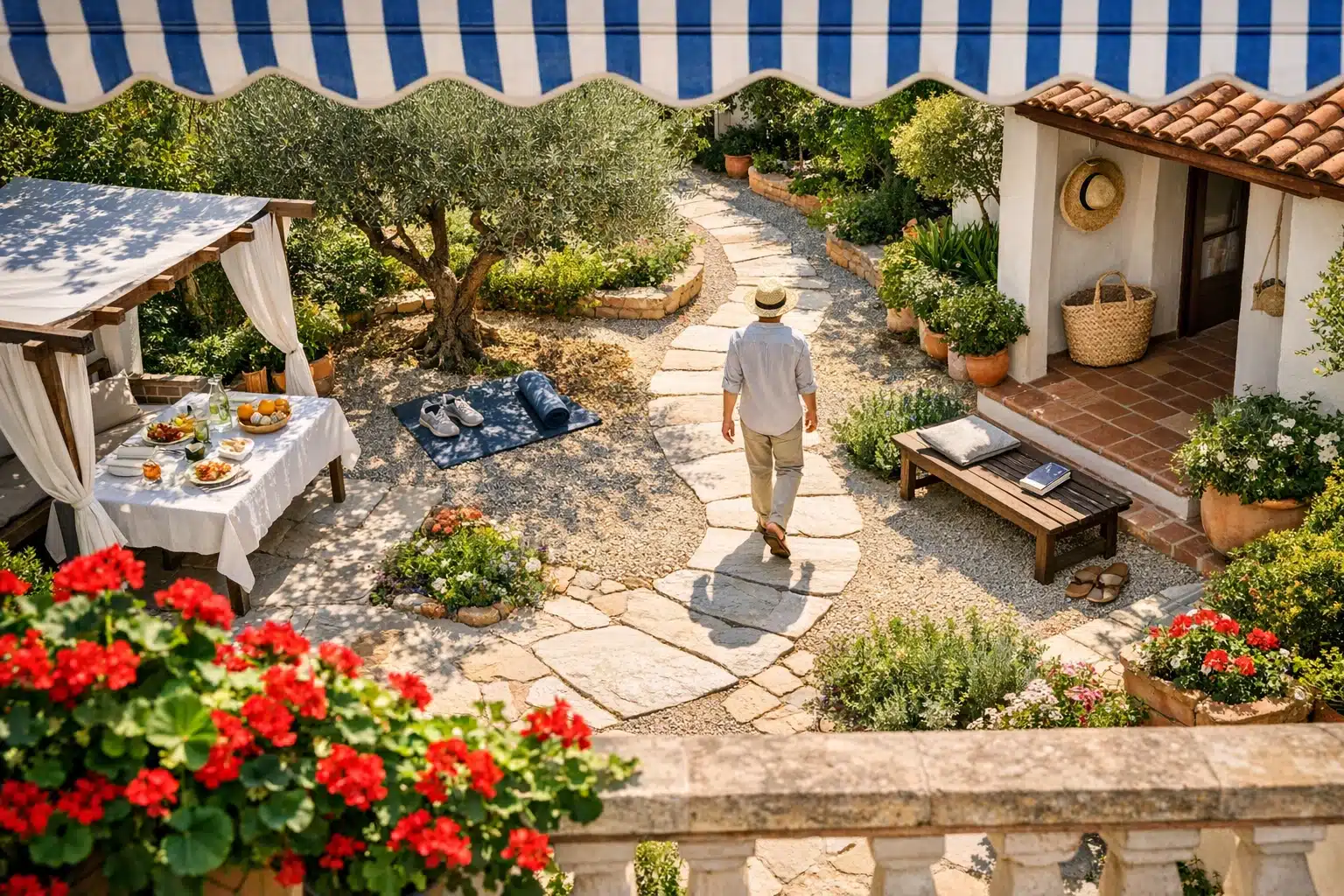
Summer has a reputation for being the easiest season for fun, and in many ways that is true. Longer daylight hours expand the usable part of the day, school breaks open time for families, and warmer temperatures make parks, lakes, beaches, and public events more accessible. Yet the most successful summer plans are not always the most expensive or the most ambitious. A good summer activity makes smart use of heat, light, and local resources while leaving room for rest. When the air hums and the pavement glows, the best idea is often the one that feels refreshing rather than exhausting.
For active people, summer is ideal for cycling on greenways, kayaking on calm water, swimming at community pools, playing recreational sports, or taking early-morning walks before the day grows hot. Public health guidance commonly recommends at least 150 minutes of moderate activity per week for adults, and summer makes that target easier to reach through enjoyable movement rather than rigid exercise sessions. A family might split that goal across bike rides, park games, and evening strolls. The result feels less like training and more like living well.
For people who prefer slower experiences, summer still offers plenty. Outdoor movie nights, open-air concerts, farmers’ markets, picnic dinners, neighborhood scavenger hunts, and sunset photography walks create memorable moments without demanding athletic ability. Compared with autumn outings, summer often favors later schedules because evenings stay bright. That makes it especially convenient for workers who cannot go out during the day.
- Low-cost options: sprinkler play, homemade popsicles, library nature challenges, local trails, picnic lunches.
- Moderate-planning options: campsite weekends, paddleboard rentals, day trips to lakes, community classes.
- Comfort-focused options: shaded botanical gardens, early beach visits, hammock reading, outdoor sketching.
Summer also requires more attention to safety than people sometimes expect. Midday heat, dehydration, and sun exposure can turn a simple outing into a draining one. Scheduling activities earlier or later, carrying water, choosing breathable clothing, and using shade strategically often matter more than buying specialized gear. In comparison with spring and autumn, summer rewards flexibility: if noon is too hot, the evening may feel almost magical. Crickets start their chorus, the sky softens, and even a familiar park seems to take a deep breath. That is the real strength of summer activities: they can be vibrant and social, but they can also be wonderfully simple.
Autumn Outdoor Activities for Cooler Days and Richer Landscapes
Autumn changes the mood of outdoor recreation. The sharp edge of summer heat fades, daylight becomes more precious, and landscapes often gain their most dramatic colors of the year. For many people, this is the most comfortable season for being outside because it supports longer outings with less physical strain. A walk that felt tiring in August may feel inviting in October. That difference matters, especially for households trying to spend more time outdoors without needing perfect weather or elaborate plans.
One of autumn’s greatest strengths is range. It suits both energetic adventures and gentle routines. Hiking becomes more appealing as cooler air reduces overheating, and many runners consider fall one of the easiest times to train outdoors. At the same time, slower activities such as orchard visits, scenic drives, birdwatching, and outdoor journaling feel naturally at home in the season. The crunch of leaves underfoot does some of the storytelling on its own. Even a neighborhood walk can become more observant and less rushed when the trees begin to change.
Autumn also has a strong community dimension. Harvest festivals, pumpkin patches, corn mazes, local food markets, and school events bring people together in ways that feel both traditional and adaptable. Compared with summer festivals, autumn events are often less focused on heat-driven entertainment and more centered on food, crafts, and local culture. That can make them especially appealing to multigenerational groups, where grandparents, parents, and children all want something slightly different from the day.
- Best for active outings: hiking, trail running, cycling, outdoor yoga, nature photography walks.
- Best for social outings: harvest fairs, bonfires, apple picking, neighborhood potlucks, hayrides.
- Best for quiet outings: birdwatching, sketching in parks, forest walks, reading outdoors with a blanket.
There are practical advantages as well. Cooler temperatures can make food transport easier for picnics, and insects are often less intense than in peak summer. However, autumn planning requires attention to shorter days, changing trail conditions, and sudden weather swings. Layers become more useful than single-purpose clothing. If summer is the season of spontaneity, autumn is the season of thoughtful preparation. Pack a thermos, check sunset time, and bring a second layer even if the morning feels mild.
For readers who feel worn down by crowded schedules, autumn offers something quietly valuable: permission to slow down without retreating indoors. It is a season of movement with reflection, of color with calm. The outdoors no longer shouts; it glows. That makes autumn activities especially effective for people who want recreation that restores attention as much as it burns energy.
Spring Gardening Ideas for Beauty, Food, and Everyday Satisfaction
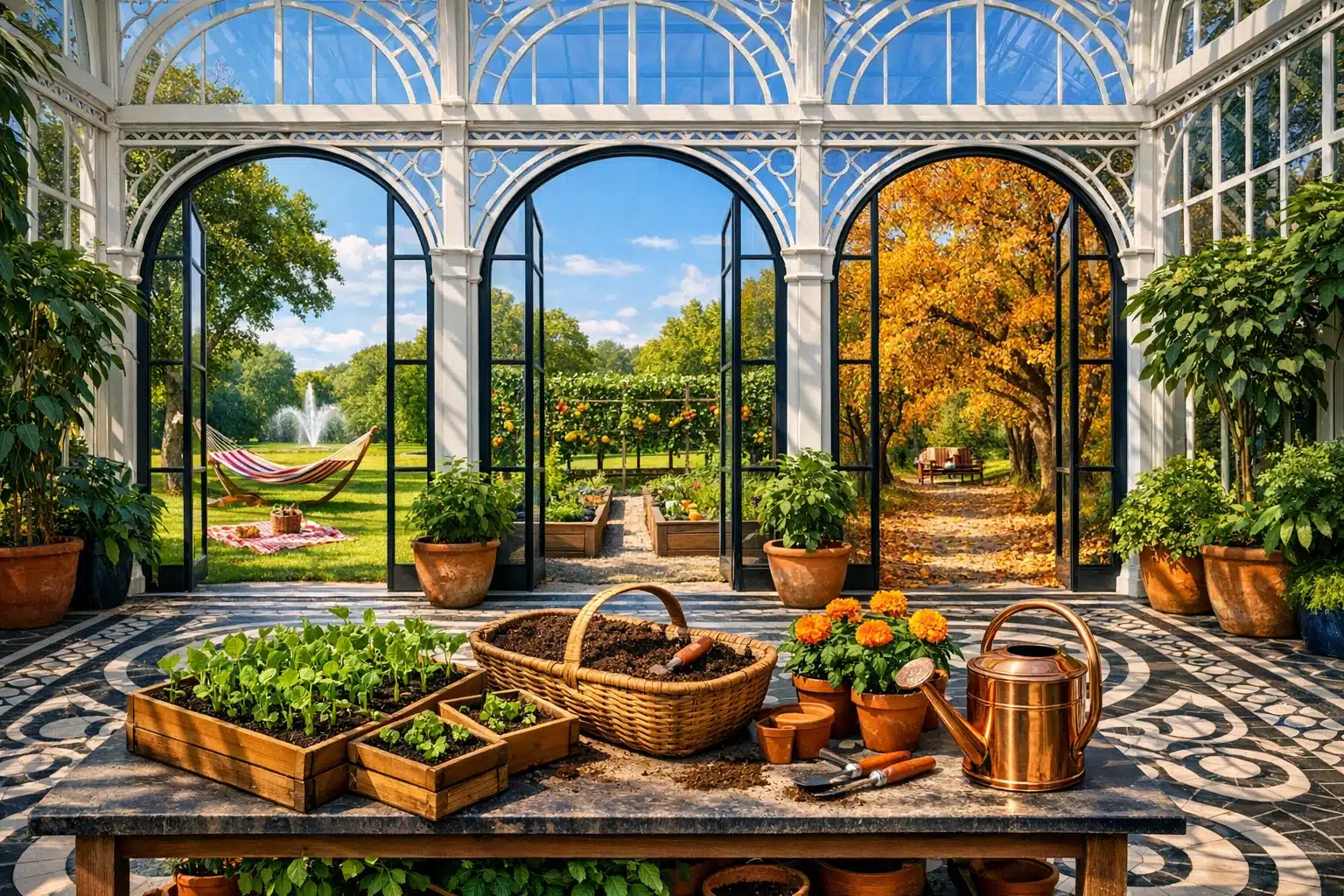
Spring gardening is one of the most rewarding seasonal projects because it combines creativity, practical skill, and visible progress. After winter, even small signs of growth feel encouraging. A windowsill tray of herbs, a container of lettuce, or a freshly prepared flower bed can make a space feel awake again. Gardening is also flexible. Someone with a large backyard can map out raised beds and compost zones, while an apartment resident can grow basil, mint, or cherry tomatoes in pots. The scale changes, but the appeal remains the same: tending to something living gives shape to the season.
For beginners, the smartest approach is usually modest rather than ambitious. Many first-time gardeners overplant, choose crops unsuited to local conditions, or underestimate the need for sunlight, watering, and spacing. Starting with easy and productive options often leads to better results. Leafy greens, radishes, peas, herbs, and marigolds are popular beginner choices because they offer relatively quick feedback and do not demand expert-level care. Warm-season plants such as tomatoes, peppers, and cucumbers can be excellent too, but they usually perform best after the danger of frost has passed and the soil has warmed.
Comparing common garden formats can help readers choose wisely:
- In-ground beds are cost-effective and roomy, but they depend heavily on native soil quality.
- Raised beds offer better drainage and easier soil control, though they cost more to build or buy.
- Containers are ideal for patios and balconies, but they dry out faster and need more regular watering.
Spring is also the best time to think beyond planting. Soil preparation, mulching, compost use, and garden layout often matter as much as the seeds themselves. Healthy soil supports strong roots, helps retain moisture, and reduces frustration later in the season. A layer of mulch can limit weeds and keep the root zone more stable as temperatures fluctuate. Compost improves texture and adds organic matter, which benefits many garden types. These are not glamorous steps, yet they often make the difference between a garden that struggles and one that steadily improves.
Another benefit of spring gardening is its effect on daily habits. It invites people outdoors in short, manageable intervals. Fifteen minutes of watering, staking, pruning, or checking for pests can provide gentle movement and a calm transition between work and home life. Gardening does not replace every other hobby, but it complements many of them. A person who enjoys cooking may grow herbs and salad greens; a photographer may track blossoms and pollinators; a family may use a small vegetable patch to teach patience and responsibility.
There is, of course, a poetic side to it. A seed packet looks almost too small to matter, and then a few weeks later the bed is busy with green intention. That transformation is why spring gardening remains relevant year after year. It is practical enough to improve meals and outdoor spaces, yet hopeful enough to make ordinary routines feel new.
Conclusion: Building a Seasonal Routine That Fits Real Life
The most useful seasonal plan is not the one with the longest checklist. It is the one people can actually sustain. Readers who want more outdoor time do not need to reinvent their lives in dramatic fashion. They need a realistic mix of activities that match energy levels, weather patterns, free time, and budget. Summer may be the right season for water play, festivals, and evening walks. Autumn may become the time for hikes, scenic drives, and community events. Spring may be where gardening, cleanup, and fresh routines take root. Together, those choices create a year that feels shaped rather than scattered.
For families, the key is variety without overload. A few repeatable traditions often work better than constant novelty. One weekly picnic, one monthly trail outing, or one shared gardening project can build stronger memories than a packed calendar of expensive plans. For solo readers, seasonal structure can be just as powerful. A morning walk route in summer, a photography habit in autumn, and a row of containers in spring can provide continuity while still keeping life interesting.
- Choose one active idea and one restful idea for each season.
- Keep a small budget for simple gear, snacks, seeds, or entry fees.
- Use local parks, libraries, garden centers, and community calendars for affordable inspiration.
- Adjust plans for age, mobility, climate, and available space rather than copying someone else’s routine.
The target audience for this guide is broad for a reason: seasonal activities succeed when they are adaptable. A parent with young children, a couple in a city apartment, a retiree with time for gardening, or a student looking for low-cost fun can all use the same principle. Let the season suggest the activity, then tailor it to your circumstances. That approach reduces decision fatigue and increases follow-through.
If there is one lasting takeaway, it is this: meaningful outdoor living does not depend on perfect weather, a large property, or a large wallet. It depends on paying attention. Notice what the season offers, choose a few ideas that genuinely fit your life, and begin there. The year is already opening doors; this article simply helps you see which ones are worth stepping through next.