Home Decorating Ideas: Seasonal Decor and Modern Accessories for a Stylish Space
Decorating a home is no longer just about filling empty corners or matching a sofa to the rug. It is a practical way to shape mood, improve comfort, and make daily routines feel easier to enjoy across the week. Seasonal home decor keeps rooms fresh as light, weather, and household habits change, while modern accessories add function, texture, and personality without visual clutter. When these ideas work together, even a modest space can feel intentional, current, and deeply personal.
Outline: this article begins with core decorating principles, moves into seasonal styling, explains how modern accessories influence function and atmosphere, explores room-by-room and budget-friendly decisions, and closes with practical guidance for readers who want a polished home that still feels lived in.
1. Home Decorating Ideas That Create a Strong Foundation
The most successful rooms usually begin with structure, not shopping. Before choosing a vase, lamp, or throw blanket, it helps to understand the framework of a space: proportion, layout, color balance, and lighting. These elements shape how a room feels long before a single decorative object enters the scene. A beautifully furnished room can still feel awkward if chairs block movement, artwork is hung too high, or every surface competes for attention. Good decorating is often less about adding more and more about arranging better.
A useful starting point is the relationship between scale and flow. Designers often suggest allowing roughly 30 to 36 inches for walkways in commonly used areas so people can move easily without squeezing past furniture. In living rooms, a rug should usually be large enough for at least the front legs of key seating pieces to rest on it; otherwise, the furniture can appear to float apart. Bedrooms benefit from similar logic. A bed should feel anchored by nightstands or lighting on both sides when possible, even if one side uses a slim shelf instead of a full table. Balance does not require symmetry, but it does require intention.
Color also plays a central role. Many decorators use the familiar 60-30-10 guideline: around 60 percent dominant color, 30 percent secondary color, and 10 percent accent. It is not a law, yet it offers a helpful visual ratio. A room with soft warm neutrals, muted green upholstery, and brass or black accents often feels calmer than a room where five bold shades compete at once. That said, personality matters. Some homes whisper, others sing. The key is that the notes belong in the same song.
Lighting deserves equal attention. A single ceiling fixture rarely creates a layered or welcoming room. Homes typically feel more complete when lighting serves three functions: ambient light for general visibility, task light for reading or work, and accent light for atmosphere. A floor lamp near a chair, a table lamp on a console, and a wall sconce beside artwork can transform the evening character of a room. Natural light should also be considered; mirrors help reflect available daylight, while sheer curtains preserve brightness better than heavy opaque panels.
Useful foundations to remember include:
• choose one anchor piece before styling the rest of the room
• repeat two or three finishes so the space feels connected
• mix smooth, soft, rough, and reflective textures for depth
• leave some surfaces open so the room can breathe
When these basics are in place, decorating becomes far easier. Instead of guessing, you are editing. Instead of chasing every trend, you are building a space that already knows who it is.
2. Seasonal Home Decor That Feels Fresh Instead of Forced
Seasonal decorating works best when it responds to the atmosphere of a home rather than turning every room into a themed display. The goal is not to rebuild the house four times a year. It is to make subtle, strategic adjustments that reflect changes in temperature, daylight, routines, and mood. Think of the home as a stage set that changes costume, not identity. In spring, rooms often benefit from softness and lift. In autumn, they often welcome warmth and weight. The architecture stays the same, but the feeling shifts.
One of the easiest ways to decorate seasonally is through textiles. Cushion covers, throws, bedding, and table linens can alter the emotional temperature of a room within minutes. Linen and cotton usually feel lighter and more breathable in warmer months, while wool blends, knits, velvet, and brushed textures create coziness in cooler weather. This is not just a visual change; material choice affects tactile comfort, which influences how people use a space. A summer living room often invites longer daylight lounging, while a winter living room becomes a cocoon for evening reading and conversation.
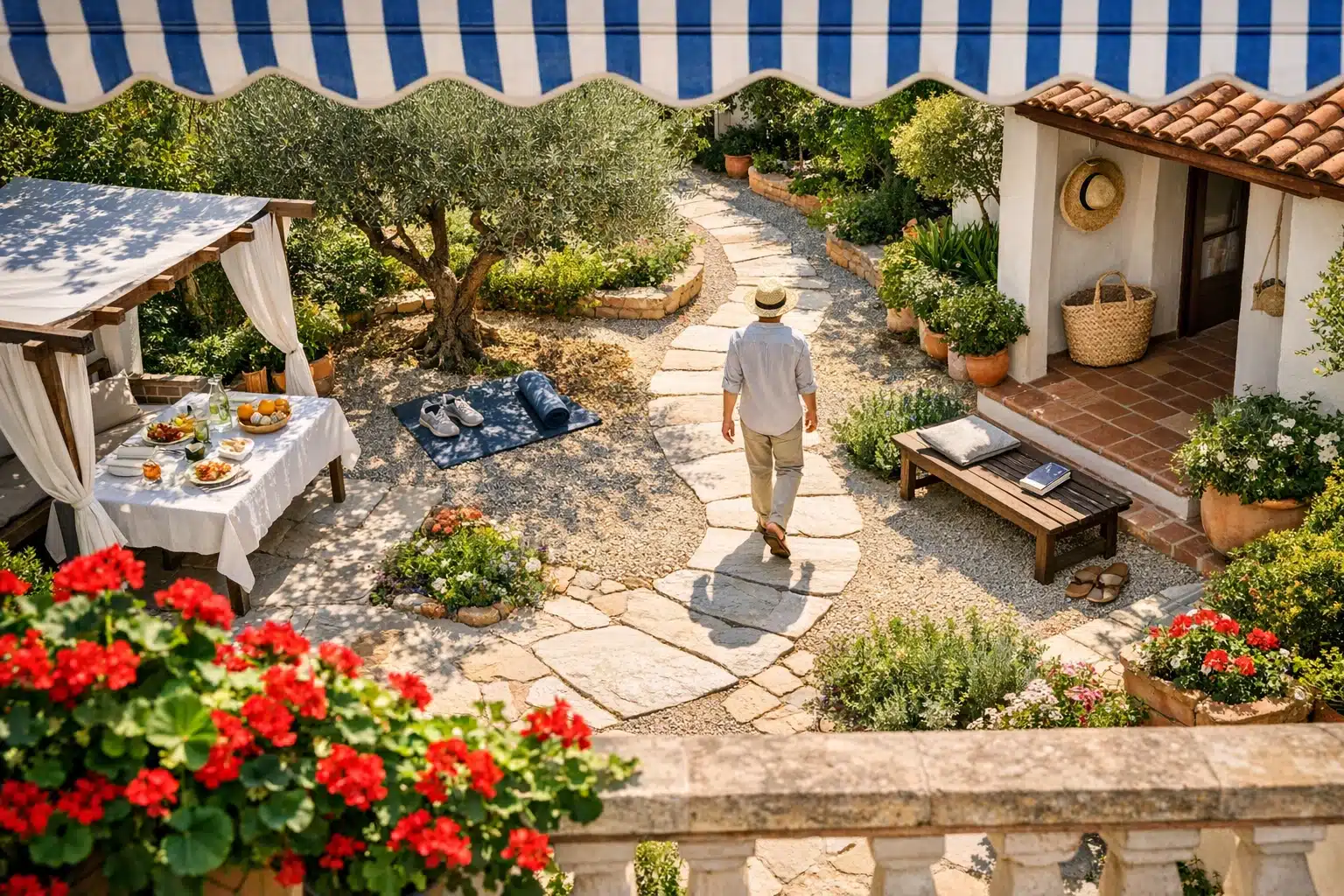
Color can also follow the rhythm of the year without becoming predictable. Spring often pairs well with soft greens, pale blue, cream, and floral tones, while summer can handle brighter whites, natural wood, and touches of terracotta or coastal blue. Autumn typically leans into rust, olive, caramel, and deeper neutrals. Winter often suits charcoal, burgundy, forest green, and metallic accents. The trick is moderation. Swapping a few accessories usually works better than replacing every visible item. A room that keeps its core palette but rotates a few layers tends to look refined rather than busy.
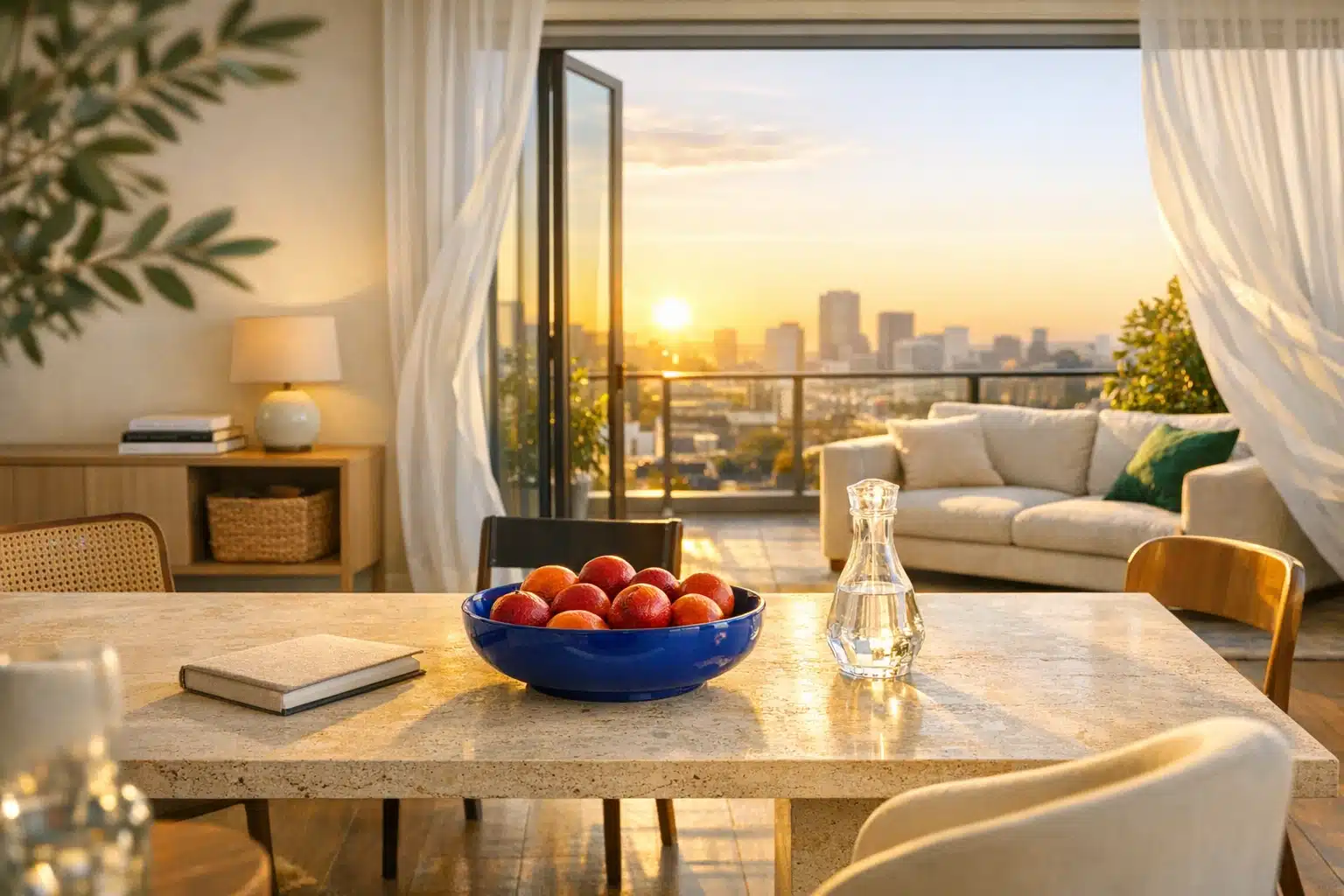
Decorative objects help tell the seasonal story too. Branches in a ceramic vase, a bowl of citrus, dried grasses, stoneware candleholders, or a woven tray can all signal a shift in season without looking temporary or disposable. Natural materials generally age better visually than overtly themed decorations. Compare a pumpkin-shaped plastic container with a simple arrangement of gourds, leaves, and warm-toned textiles. The second approach feels more editorial, more timeless, and usually less cluttered.
Practical seasonal updates might include:
• changing pillow covers instead of buying new pillows
• rotating lightweight and heavyweight curtains
• updating entryway mats to match wetter or drier weather
• storing off-season decor in labeled bins for easy reuse
Seasonal home decor matters because homes are lived in environments, not static photographs. As daylight shortens or brightens, as guests gather or routines slow down, decor can support the way life actually unfolds. When handled with restraint, seasonal styling keeps a home feeling attentive, current, and alive.
3. Modern Home Accessories: Clean Lines, Better Function, Stronger Personality
Modern home accessories often succeed because they do two jobs at once: they improve the visual rhythm of a room and quietly solve everyday problems. A sculptural lamp adds shape and useful light. A tray organizes remote controls, candles, or keys. A mirror brightens a narrow wall while making the room feel deeper. The best modern accessories are not random decorations scattered across shelves; they are working details that support how the space is used. That is why they have become so influential in contemporary interiors, especially in apartments and smaller homes where every object earns its place.
It helps to distinguish “modern” from “merely trendy.” Modern accessories usually favor clarity of form, restrained color, and material contrast. You might see matte black metal paired with oak, smoked glass beside limestone, or a soft boucle cushion placed against a smooth leather chair. These contrasts create texture without requiring visual chaos. Contemporary trends change quickly, but a well-made modern object often stays relevant because its shape is simple and its purpose is clear. A cylindrical vase, an arched mirror, or a low-profile floor lamp can move between styles more easily than novelty pieces that depend on a short-lived look.
Lighting accessories deserve special attention because they affect both design and utility. LED bulbs are widely used in modern interiors because they typically consume far less electricity than incandescent bulbs and last much longer. Color temperature also matters. Warm white bulbs around 2700K often create a comfortable residential feel, while slightly cooler ranges can suit task-focused areas like kitchens or home offices. A lamp is therefore not just a decorative item; it is a tool that changes how colors appear, how textures read, and how relaxed a room feels after sunset.
Storage-related accessories are equally important. Decorative baskets, lidded boxes, slim floating shelves, and entryway catchalls reduce visible clutter, which can make a room feel calmer and more spacious. In modern interiors, hidden order is part of the aesthetic. Even cable management has become a design topic because exposed cords can disrupt otherwise clean compositions. This is where accessories shine. They turn practical needs into visual assets.
Useful modern accessories to consider include:
• mirrors that reflect natural light into darker corners
• table lamps or sconces that add layered illumination
• trays that group smaller objects into one intentional arrangement
• textured vases, bowls, or books that add depth without excess
• baskets and boxes that keep open surfaces from becoming dumping grounds
The most engaging modern spaces are rarely cold. They feel edited, yes, but not sterile. A room with clean lines still needs softness, memory, and a little surprise. One striking vessel, one vintage frame, one unusually shaped lamp can act like a pause in a sentence, giving the whole room rhythm and character.
4. Room-by-Room Decorating Strategies, Budget Choices, and Smart Comparisons
Decorating becomes more manageable when viewed room by room. Each area of the home serves a different purpose, so the most effective ideas are usually tailored rather than copied wholesale from a catalog image. A living room needs conversation, comfort, and adaptable lighting. A bedroom needs calm, softness, and reduced visual noise. A kitchen often benefits from organization and durable accents, while an entryway succeeds when it handles keys, shoes, bags, and first impressions in one compact zone. The stylish home is not the one with the most objects; it is the one where each room knows its job.
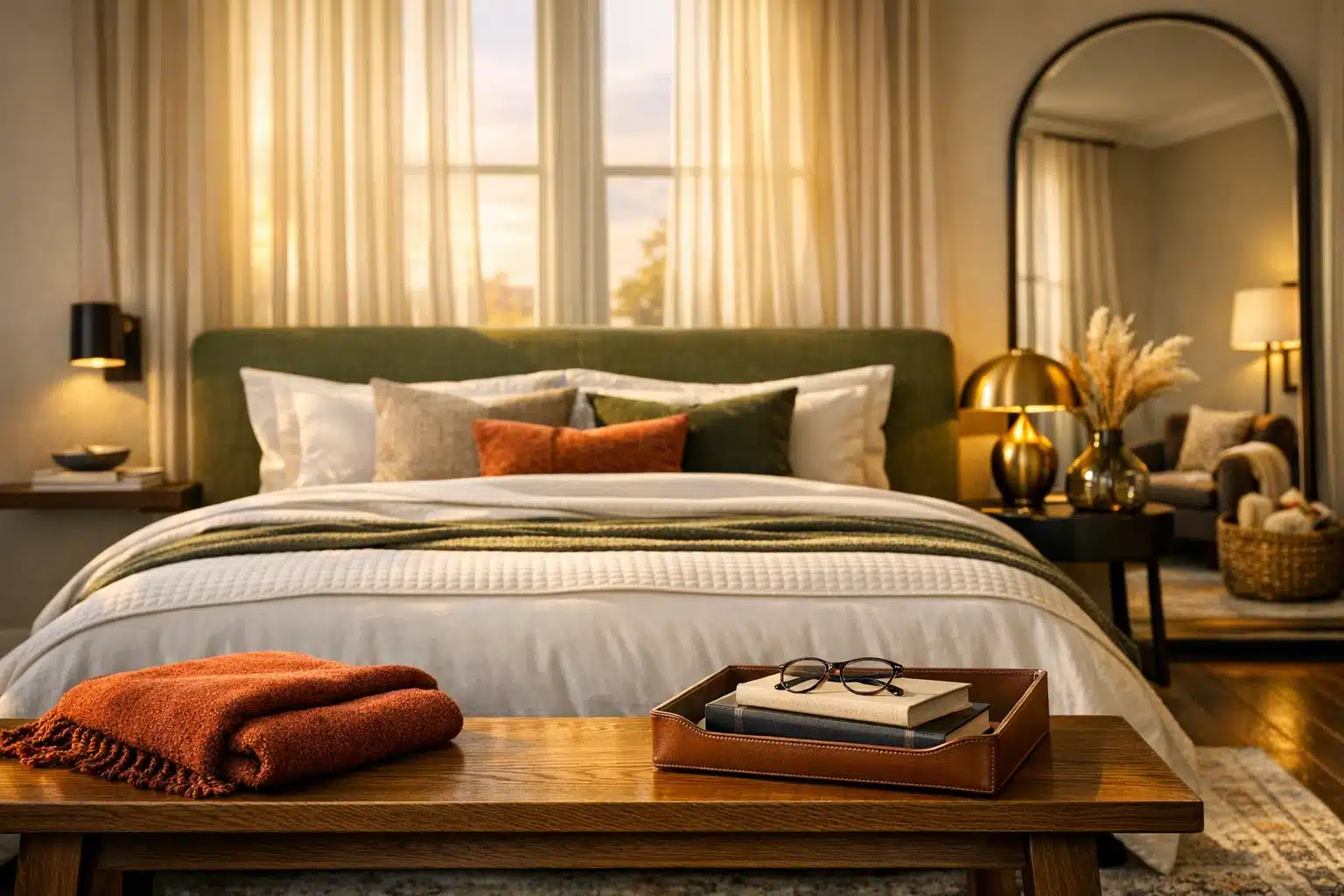
In the living room, start with seating placement and an anchor piece such as a rug, sofa, or coffee table. If the room feels flat, add a mix of heights through a floor lamp, tall plant, and stacked books or objects on a side table. Bedrooms respond especially well to textile layering. An upholstered headboard, crisp bedding, one quilt or throw, and coordinated bedside lighting can make a basic room feel complete. In kitchens, decorative choices should support utility. A wooden cutting board, ceramic utensil holder, neat open shelf, or framed print can add warmth without interfering with workspace. Bathrooms often improve quickly with better towels, a mirror upgrade, and simple countertop organization.
Budget matters, and thoughtful decorating does not require constant spending. In fact, comparison shopping and strategic prioritizing often produce better results than impulse buying. A well-made sofa used daily may deserve a larger budget than trend-driven accessories that might be rotated next season. Paint is one of the most cost-effective ways to change a room’s appearance, especially compared with replacing major furniture. Hardware swaps, lamp shades, pillow covers, and secondhand tables can refresh a space for far less than full-room renovations.
A practical spend-versus-save mindset looks like this:
• spend on items with daily use, such as seating, mattresses, and quality lighting
• save on seasonal textiles, decorative vases, and small tabletop accents
• mix new pieces with vintage or secondhand finds for character and value
• choose removable solutions if you rent, such as peel-and-stick hooks or temporary wallpaper
Sustainability also deserves a place in the conversation. Decorating more responsibly often means buying fewer, better pieces and resisting fast, disposable trends. Natural fibers, timeless shapes, and repairable furniture generally age better than cheaply made novelty items. A classic wood side table can survive many style phases; a flimsy trend piece may not last a move. For homeowners and renters alike, the smartest decorating strategy is often gradual evolution. Build the space slowly, notice how you live, and let each addition answer a real need. That is how a home becomes stylish without feeling staged.
5. Conclusion for Homeowners and Renters Who Want Style That Lasts
If you want a home that looks polished but still feels easy to live in, the clearest path is not chasing perfection. It is learning how to combine foundations, seasonal changes, and modern accessories in a way that supports everyday life. That matters whether you are furnishing your first apartment, refreshing a family house, or simply trying to make one room feel less unfinished. The good news is that a stylish space rarely depends on dramatic renovation. More often, it grows from better choices: a stronger layout, more thoughtful lighting, a calmer palette, and a few accessories that genuinely improve the room.
The main lesson from these decorating ideas is that balance beats excess. Start with structure so the room functions well. Then let seasonal decor bring movement and freshness through small changes in color, fabric, and natural materials. Finally, use modern accessories as tools as much as decorations. A lamp can change mood, a basket can restore order, and a mirror can make a narrow room feel more generous. These are modest adjustments, but together they have real impact. They help a home look cared for, and that feeling is often what people respond to first.
For readers on a budget, the most practical approach is to work in layers. Begin with one room. Choose one improvement that affects comfort, one that affects appearance, and one that reduces clutter. That might mean better curtains, updated bedding, and a storage basket. It might mean repainting a wall, adding a floor lamp, and replacing mismatched frames. Small improvements are easier to evaluate, easier to afford, and less likely to lead to costly mistakes. Decorating should feel like progress, not pressure.
For readers who enjoy trends, the answer is not avoiding them altogether. Trends can be fun, and they often introduce fresh ideas about color, shape, or material. The wiser move is to place trends in flexible categories. Bring them in through pillow covers, trays, candleholders, art prints, or small side tables rather than expensive core furniture. That way, the home stays current without becoming disposable. A strong base allows experimentation; a weak base makes every new item feel like a rescue mission.
So if your rooms feel dull, crowded, unfinished, or simply disconnected, take that as an invitation rather than a failure. A home does not need to be large, luxurious, or magazine-ready to feel stylish. It only needs coherence, comfort, and a bit of imagination. Start with what you already own, edit with honesty, add with purpose, and let the seasons teach the room how to breathe. Over time, the space will begin to reflect not only good taste, but the life actually being lived inside it.