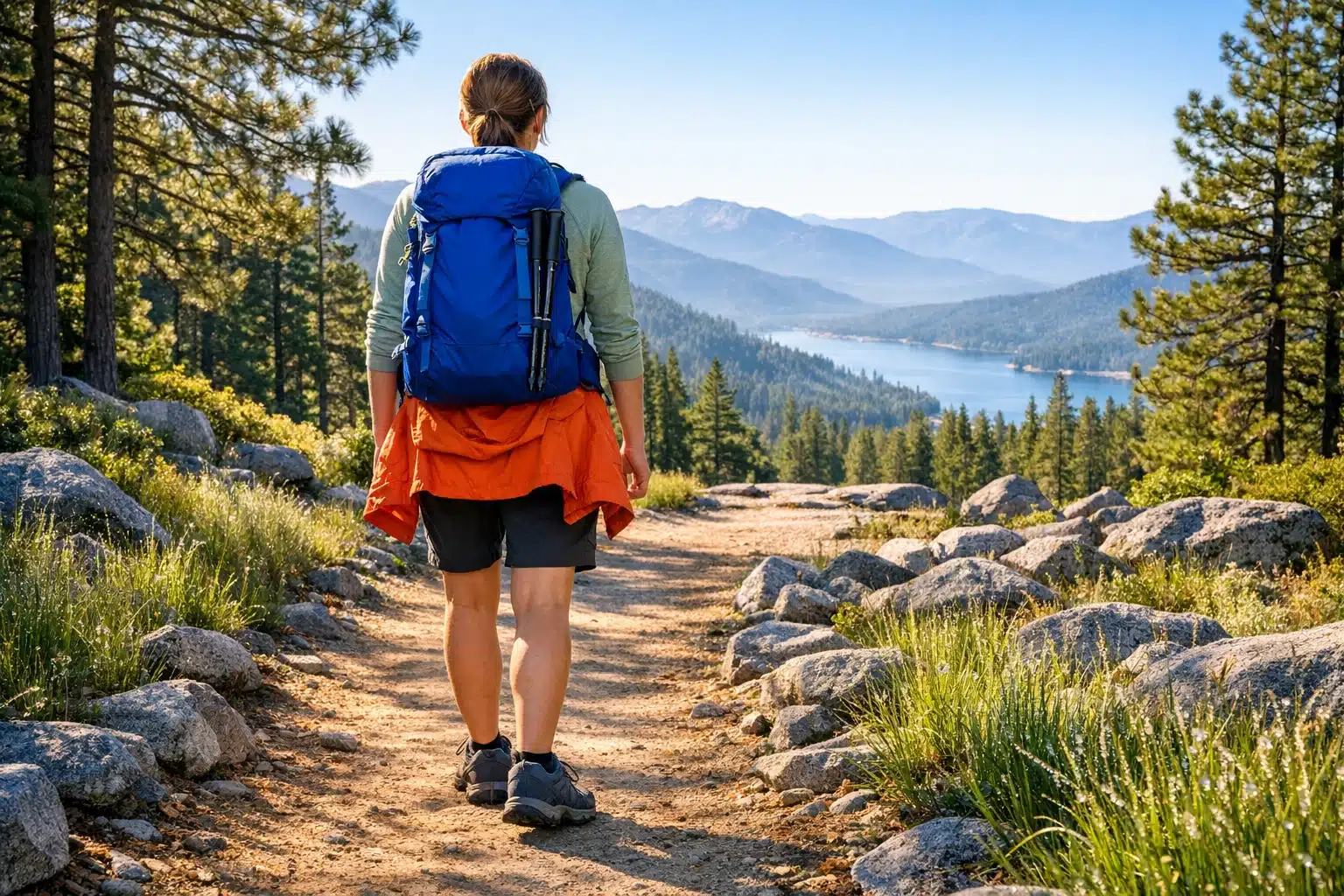
Hiking Tips for Beginners: Best Gear and Outdoor Adventure Essentials
Hiking invites beginners with a simple promise: one trail, one pair of shoes, and a chance to trade screen glare for open air. Yet the difference between a refreshing walk and a frustrating outing usually comes down to preparation, equipment, and judgment rather than excitement alone. Learning a few core habits early helps you stay comfortable, avoid preventable mistakes, and notice more of the landscape around you. The guide below opens with a short outline and then moves into the practical choices that make outdoor adventures safer, easier, and far more rewarding.
Outline
1. How beginners should plan and pace their first hikes
2. What hiking gear matters most, and what can wait
3. Skills for navigation, weather awareness, and trail safety
4. Outdoor adventure habits that protect both people and wild places
5. A beginner-focused conclusion on building confidence step by step
1. Beginner Hiking Basics: How to Plan a First Trip That Feels Manageable
For a beginner, the smartest hike is rarely the most famous one. It is the route that matches your current fitness, the weather window, the hours of daylight, and the gear you actually own. A common early mistake is choosing a trail by photos alone. A waterfall image may look inviting, but it tells you almost nothing about elevation gain, exposed terrain, muddy sections, or how long the return trip will feel when your legs begin to tire. Before your first few outings, prioritize routes that are well-marked, moderately trafficked, and short enough to leave room for error. Many beginners do well on hikes under 5 miles or 8 kilometers with less than about 1,000 feet or 300 meters of climbing, although this varies widely by fitness and terrain.
Planning starts with a few simple checks:
• Trail distance and elevation gain
• Weather at both trailhead and higher elevations
• Sunrise and sunset times
• Water availability
• Cell coverage or lack of it
• A turnaround time that you promise yourself to honor
One helpful benchmark is Naismith’s rule, a classic planning method that estimates roughly 3 miles or 5 kilometers per hour on easy ground, then adds time for ascent. It is only a guide, but it reminds beginners that hills change everything. A flat 4-mile walk and a steep 4-mile climb can feel like entirely different sports.
Pacing matters as much as planning. New hikers often start too fast, especially when the first half mile feels fresh and the air smells like pine and possibility. A steadier rhythm usually works better: walk at a pace where you can still speak in short sentences, pause briefly before you feel exhausted, and eat small snacks before hunger turns into fatigue. Tell one trusted person where you are going, when you expect to return, and what to do if you do not check in. That one habit is quiet, boring, and remarkably important.
Finally, give yourself permission to turn back. Good judgment is not failure. It is one of the most valuable outdoor skills you can develop, and beginners who learn it early tend to enjoy the trail longer and more safely.
2. Best Hiking Gear for Beginners: What to Buy First and What Can Wait
The best hiking gear for beginners is not the most expensive setup on the shelf. It is the combination that keeps you dry enough, stable enough, and prepared enough for the trip you are actually taking. Start with footwear, layers, water storage, and a small pack. Fancy accessories can come later. If your feet hurt, your clothes trap sweat, or your water runs low, the rest of your kit will not rescue the day.
Footwear deserves the most attention. Beginners usually compare three main options:
• Trail runners: light, breathable, fast-drying, and popular for maintained trails
• Hiking shoes: slightly sturdier, often with more support and toe protection
• Mid or high boots: more ankle coverage and often more structure, but also heavier
There is no universal winner. Trail runners are increasingly common because they reduce weight and feel comfortable right away, but they may wear faster and offer less protection on sharp, rocky ground. Hiking shoes often hit the middle ground for beginners. Traditional boots can be useful for rough terrain, cold conditions, or hikers carrying heavier packs. Whatever you choose, fit matters more than labels. Try shoes later in the day when feet are a bit swollen, wear hiking socks during fitting, and leave a little space in front of your toes for descents.
Clothing should follow one basic rule: avoid cotton when conditions are cool, wet, or variable. Cotton absorbs moisture and dries slowly, which can leave you cold once you stop moving. Synthetic fabrics and merino wool manage moisture better and are easier to layer. A simple beginner system often looks like this:
• Moisture-wicking base layer
• Lightweight insulating layer such as fleece
• Waterproof or water-resistant outer layer
• Hat and extra socks
For carrying gear, a 15 to 25 liter daypack works for short hikes, while 20 to 30 liters suits longer day trips with extra layers and food. Add a water bottle or hydration reservoir, a basic first-aid kit, snacks, a headlamp, sun protection, and a paper map if available. Trekking poles are optional, but many beginners find them surprisingly helpful on descents and uneven ground because they improve balance and reduce strain on knees. In short, buy for comfort, weather, and reliability first. A modest kit chosen well will outperform a glamorous kit chosen badly.
3. Trail Skills That Matter: Navigation, Weather Awareness, and Safer Decision-Making
Gear supports a hike, but trail skills shape the outcome. Beginners sometimes assume that a popular path removes the need for navigation or weather awareness. In reality, even a well-known route can become confusing in fog, low light, fresh snow, or at a junction where several similar paths split away from one another. Learning a few core skills can prevent minor confusion from turning into a serious problem.
Start with navigation. A smartphone with an offline map app is extremely useful, but it should not be your only system. Phones lose battery faster in cold weather, crack when dropped, and become less reliable when users assume constant signal. A paper map and a basic sense of direction still matter. Before leaving, study the route so names of junctions, rivers, ridgelines, and parking areas are familiar. On the trail, look behind you occasionally; the return view often looks different, and recognizing it can help later.
If you are unsure of your location, stop early rather than late. The simplest correction is often the best one: pause, compare the trail to your map, retrace recent steps if needed, and avoid wandering in random directions. Wandering turns uncertainty into distance, and distance turns inconvenience into risk.
Weather is the second major skill area. Temperature changes with elevation, wind exposure, and passing fronts can be dramatic. A trailhead may feel warm while a ridge higher up feels raw and cold. Rain also changes surfaces quickly. Roots become slick, rocks lose friction, and stream crossings become less predictable. Check forecasts from a reliable source before leaving, and notice indicators on the trail:
• Darkening clouds building quickly
• Sudden temperature drops
• Stronger gusts on open ground
• Thunder in the distance
• Wet rock, loose gravel, or muddy switchbacks
Hydration and energy management also belong in trail safety. In moderate conditions, many hikers do well drinking around half a liter of water per hour, though heat, exertion, altitude, and body size can push that higher. Eating small amounts regularly helps maintain steady energy better than waiting until you feel weak. Carry quick foods you will actually want to eat, such as fruit, nuts, sandwiches, or energy bars.
Good hikers do not merely push ahead. They observe, adjust, and respond. The trail is not a treadmill with prettier views; it is a changing environment, and paying attention is one of the most practical skills a beginner can build.
4. Outdoor Adventure Essentials Beyond Hiking: Comfort, Respect, and Smart Habits in the Wild
Outdoor adventure is broader than walking from point A to point B. It includes how you treat the landscape, how you prepare for unexpected delays, and how you behave when weather, wildlife, or other people share the same space. Beginners who learn these habits early often move through natural areas with more confidence and leave less impact behind them.
One of the best frameworks to follow is Leave No Trace. You do not need to memorize every principle word for word to benefit from it. The spirit is simple: enjoy the outdoors without asking the place to absorb your carelessness. Stay on established trails when possible, pack out all trash, avoid picking plants, and keep noise low enough that other people can hear the wind in the trees rather than a speaker in a backpack. Wild places feel large, but many popular trails receive thousands of boots each season. Small actions multiplied by crowds create visible damage.
Food and water planning also matter more than beginners sometimes expect. On a short walk, a single bottle might be fine. On a longer outing, you need to think in terms of duration, temperature, and backup. Carry more than you think you will need if the forecast is warm or the route is exposed. If natural water sources are part of the plan, bring a reliable treatment method such as a filter, purifier, or chemical tablets, and know how to use it before leaving home.
Wildlife awareness should be calm and informed, not theatrical. Most animals avoid people, but distance and behavior matter. In many parks, guidance recommends staying at least 25 yards from most wildlife and 100 yards from bears or wolves. Never feed animals, even birds or chipmunks, because repeated feeding changes behavior and can endanger both animals and visitors. If you are hiking in bear country, research local recommendations on food storage, noise, and bear spray.
A few practical outdoor habits go a long way:
• Start earlier than feels necessary
• Carry a headlamp even for day hikes
• Keep an emergency layer in your pack
• Know the nearest exit point or alternate route
• Respect trail closures and local regulations
There is a special kind of satisfaction in a well-managed day outside. You return tired but not depleted, humbled but not rattled, and already half curious about the next trail. That feeling usually comes from good habits, not luck.
5. Conclusion for New Hikers: Build Confidence Slowly, Choose Wisely, and Let Experience Accumulate
If you are new to hiking, the goal is not to look experienced. The goal is to become experienced through repeated, enjoyable trips that teach you something each time. That means choosing manageable routes, carrying dependable basics, and treating judgment as a skill worth practicing. A beginner who finishes ten sensible hikes learns more than someone who attempts one overly ambitious outing and decides the outdoors are miserable.
The most useful long-term strategy is gradual progression. Increase one variable at a time instead of all at once. Add distance before adding major elevation, or try rougher terrain before committing to a longer day. If you want to move toward bigger objectives, keep a simple hiking log after each trip. Note the trail length, weather, what you wore, how much water you used, whether your feet stayed comfortable, and what you wished you had packed. This turns memory into feedback, and feedback into better decisions.
It also helps to borrow or rent gear before buying premium versions. Many beginners discover that their preferences become clearer after a handful of hikes. You may think you need a stiff boot and end up preferring a lighter shoe. You may assume trekking poles are unnecessary, then find they transform steep descents. Testing equipment in real conditions is often more valuable than reading marketing claims.
As a final checklist, keep these priorities in order:
• Safety before summit photos
• Weather before schedule
• Fit and function before brand prestige
• Steady pacing before competitive speed
• Curiosity before ego
Hiking at its best is simple, but it is not careless. It rewards attention, patience, and humility. For beginners, that is good news: you do not need elite fitness or a giant budget to start well. You need sensible planning, a few reliable tools, and the willingness to learn from every trail. Start small, stay observant, and let confidence arrive the natural way, one well-chosen step after another.