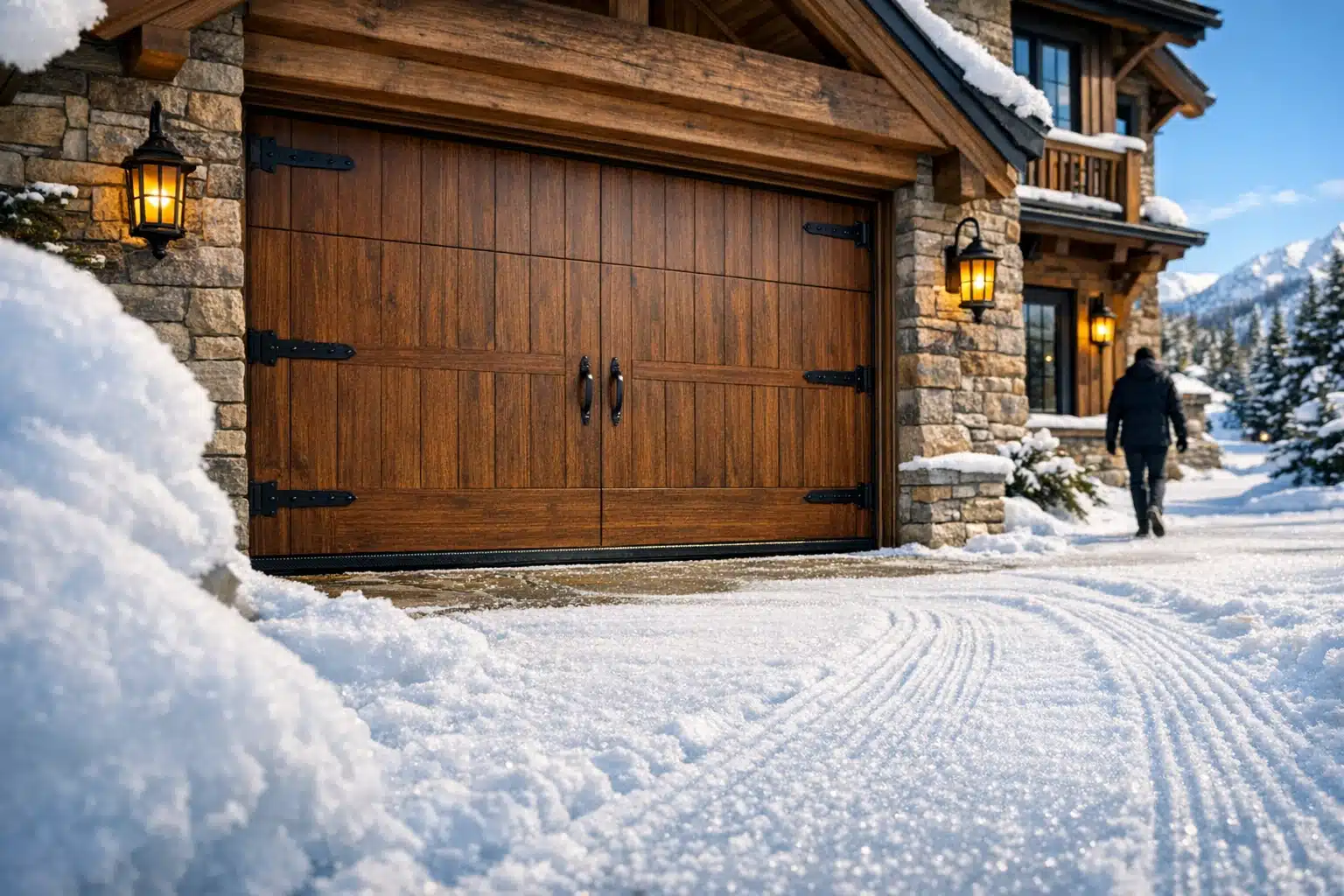
 Artificially generated image
 Garage Door Repair, Installation, and Service Guide
Garage doors do more than rise and fall on command; they protect tools, vehicles, stored belongings, and often the main path into the house. When a spring snaps, a track bends, or an opener starts acting strangely, the problem quickly shifts from mild annoyance to daily disruption. Knowing how repair, installation, and routine service differ helps homeowners make safer decisions, control costs, and avoid turning a small fault into a major breakdown.
Article Outline
1. Understanding how a garage door system works and which parts fail most often. 2. Exploring garage door repair, including common fixes, warning signs, and the line between basic upkeep and hazardous work. 3. Comparing garage door installation choices such as materials, insulation, door style, and opener technology. 4. Explaining what garage door service includes, how often it should be scheduled, and why preventive maintenance protects long-term performance. 5. Concluding with practical advice for homeowners, landlords, and anyone trying to balance safety, reliability, and budget.
Understanding Garage Door Systems and the Most Common Problems
A garage door looks simple from the driveway, yet it is really a coordinated system of heavy panels, metal tracks, rollers, hinges, springs, cables, brackets, weather seals, and an electric opener. When everything is adjusted correctly, the door feels almost effortless. That smooth motion can be misleading, because many residential doors weigh well over 130 pounds, and double doors can weigh considerably more depending on the material and insulation. Springs do most of the lifting, not the opener. The opener guides the motion, but the spring system carries the real burden. That detail matters, because it explains why a door that suddenly feels impossibly heavy usually has a spring problem rather than a weak motor.
Several faults appear again and again in service calls. Rollers wear down and begin to chatter along the track. Hinges loosen after years of vibration. Tracks can shift out of alignment after an impact from a bicycle, bumper, or storage bin. Weather seals crack and leave gaps that invite dust, rain, and insects. Sensors near the floor fall out of position, causing the door to reverse even when the opening is clear. Springs eventually reach the end of their cycle life; a common torsion spring may be rated for around 10,000 cycles, and a household that opens the door four times a day can use that up faster than expected.
Common warning signs include:
• a door that jerks instead of gliding
• loud popping, grinding, or squealing noises
• uneven movement, with one side rising faster than the other
• a gap under the closed door
• slow response from the opener
• frayed cables or bent track sections
These symptoms are easy to dismiss for a while, especially when the door still opens. That is where trouble quietly gathers. A slightly unbalanced door puts extra stress on springs, bearings, and the opener gear. A misaligned track can wear rollers unevenly until a larger failure occurs. A neglected garage door often behaves like a tiny mechanical drama: first a squeak, then a shake, then one rushed morning when nothing moves at all. Understanding the system is the first step toward choosing the right repair, installation, or service plan, because it shifts the conversation from guesswork to informed observation.
Garage Door Repair: When a Fix Makes Sense and When It Does Not
Garage door repair covers a wide range of issues, from quick adjustments to serious mechanical failures. The most common repair jobs include replacing broken springs, changing worn rollers, straightening or replacing damaged track sections, resetting safety sensors, tightening loose hardware, repairing opener gears, replacing cables, and sealing gaps around the perimeter of the door. In many cases, repair is the most sensible path. If the door panels are in good shape, the track layout is sound, and the opener still works reliably, replacing a failed part can restore safe operation without the expense of a full system change.
The key question is not simply, “Can this be fixed?” Almost anything can be fixed. The better question is, “Does repair give this door a strong future?” For example, replacing one broken spring on a very old system may solve today’s issue but leave you with aging rollers, tired hinges, and an opener that is straining against poor balance. Likewise, repairing a single dented panel may be reasonable on a newer steel door, but less attractive if matching panels are unavailable or if structural damage has spread across multiple sections. A good technician looks at the entire assembly before recommending the next step.
Safe homeowner tasks are usually limited to light maintenance and observation. Reasonable do-it-yourself actions include:
• cleaning photo-eye sensors
• checking remote batteries
• lubricating rollers, hinges, and springs with a garage-door-safe lubricant
• inspecting weather stripping
• watching whether the door closes evenly
By contrast, spring replacement, cable repair, bottom bracket work, and major track realignment should be treated as professional jobs. Torsion springs store significant energy, and improper handling can cause severe injury. Cables can whip loose. A door that slips off its track can fall with surprising force. Saving money is appealing, but emergency room math is rarely favorable.
Repair decisions also depend on timing and usage. If the garage is the main household entrance, downtime matters more than it does for a door used once a week. If the opener was installed before modern safety features became standard, upgrading may bring better reliability and convenience. Residential openers in the United States have been required to include photo-eye safety sensors since 1993, and modern units often add battery backup, rolling-code security, smartphone control, and quieter belt-drive operation. In short, repair is often the right answer when the core system remains healthy, but repeated failures, obsolete hardware, or visible structural wear may point toward replacement instead of another temporary fix.
Garage Door Installation: Materials, Planning, Insulation, and Long-Term Value
Garage door installation is not just about putting a new door in the opening. It is a design, safety, and performance decision that affects curb appeal, energy use, noise level, and daily convenience. Homeowners usually consider installation when building a new house, replacing an aging door, upgrading the look of the front exterior, or solving recurring repair issues that no longer justify patchwork solutions. A proper installation begins with accurate measurements of the opening, side room, headroom, and backroom, because the right door still fails if the supporting dimensions are wrong. The installer must also account for track type, spring system, opener compatibility, and the condition of the framing.
Material selection shapes both the appearance and the maintenance burden. Steel is popular because it is durable, widely available, and often cost-effective. Aluminum is lighter and resists rust, which can be useful in humid or coastal areas, though thin panels may dent more easily. Wood offers warmth and classic style, but it usually demands more upkeep to guard against moisture and surface wear. Composite and faux-wood options aim to deliver a similar visual effect with less maintenance. Insulation is another major factor, especially when the garage shares walls with living space or serves as a workshop, gym, or storage area for temperature-sensitive items. Insulated doors commonly offer R-values from roughly 6 to above 18, depending on construction and core material, and better insulation can also reduce street noise and panel vibration.
Style matters too. Carriage-house doors create a traditional look, flush panels feel modern and clean, and raised-panel designs remain a common middle ground. Windows can brighten the garage interior and improve exterior balance, but they should be chosen carefully for privacy, heat gain, and durability. Then comes opener selection. Chain-drive units are typically sturdy and economical, belt-drive models are quieter, and wall-mounted openers can free ceiling space for storage or lighting. Features worth comparing include soft start and stop, motion-activated lights, battery backup, and remote monitoring through a mobile app.
A strong installation should include more than hardware assembly. It should also cover spring balancing, sensor alignment, opener force settings, seal placement, and a final test for smooth, even travel. The finished door should move without scraping, slamming, or twisting. In practical terms, a good installation feels unremarkable in the best possible way. You press the button, the door glides, the house stays quiet, and nothing demands your attention. That calm reliability is what homeowners are really buying.
Garage Door Service: Preventive Maintenance, Tune-Ups, and Why Routine Care Pays Off
Garage door service is the ongoing care that keeps a working door from turning into a repair emergency. It is less dramatic than a snapped spring and less visible than a brand-new installation, yet it often delivers the best value over time. A service visit typically focuses on inspection, adjustment, lubrication, testing, and early detection of wear. Because garage doors move through repeated cycles under weight and tension, small shifts add up. Bolts loosen, rollers wear, seals harden, and balance changes gradually enough that many homeowners do not notice until the opener begins to struggle.
A comprehensive service appointment often includes:
• checking spring tension and door balance
• inspecting cables, drums, hinges, bearings, and brackets
• lubricating moving parts where appropriate
• tightening hardware
• testing auto-reverse and photo-eye sensors
• examining weather seals and bottom rubber
• reviewing opener settings, travel limits, and force adjustment
• looking for panel damage, rust, or track misalignment
This kind of maintenance matters because a garage door may be the largest moving object in the home, and it is frequently used more than owners realize. At four open-and-close cycles per day, a door goes through about 1,460 cycles a year. That rate can climb quickly in households with multiple drivers, school runs, deliveries, and evening errands. Regular service helps spread wear more evenly across the system. It also gives technicians a chance to spot problems while they are still inexpensive. A noisy roller replacement is easier to schedule than a same-day emergency when the door is stuck halfway open during a rainstorm.
Seasonal changes also affect performance. Cold weather can stiffen lubricants and make older seals brittle. Summer heat can amplify expansion in metal parts and highlight insulation weaknesses. Wind-driven debris may knock sensors out of alignment, and moisture can contribute to rust on unprotected hardware. For most homes, an annual service visit is a sensible baseline, while heavy-use doors may benefit from twice-yearly attention. Property managers, landlords, and small commercial users often gain from planned maintenance because predictable scheduling is far easier than handling sudden access failures for tenants or staff.
Routine service is not glamorous, and that is exactly its strength. It keeps the door unexciting in the best way: reliable on busy mornings, quiet late at night, and ready when the weather turns ugly. In home maintenance, boredom is often a sign that things are working properly, and a garage door that never forces itself into the day’s storyline is usually one that has been serviced well.
Conclusion: Choosing the Right Path for Homeowners, Landlords, and Everyday Users
If you are deciding between garage door repair, garage door installation, and ongoing garage door service, the smartest choice depends on condition, age, usage, and risk tolerance rather than on one simple rule. Repair is usually the best fit when the problem is isolated and the rest of the system remains structurally sound. Installation becomes more attractive when failures are recurring, the door lacks modern safety features, insulation is poor, or the appearance no longer suits the property. Service, meanwhile, is the steady middle path that reduces surprises and protects the investment you already have.
For homeowners, the practical goal is dependable daily access without preventable hazards. For landlords and property managers, it is consistent operation, lower emergency costs, and fewer complaints from tenants. For households using the garage as the main entrance, speed and reliability matter even more because the door is part of the daily rhythm of work, school, shopping, and security. In all of these cases, the best approach is not reactive panic after a breakdown. It is measured attention before the breakdown arrives.
A useful decision checklist looks like this:
• If the door is noisy, uneven, or slow, schedule an inspection before the issue grows.
• If springs, cables, or tracks are compromised, prioritize professional repair for safety.
• If the system is aging, poorly insulated, or repeatedly failing, compare replacement costs with another round of repairs.
• If the door is currently working, protect it with regular service instead of waiting for warning signs to become emergencies.
Good choices are usually simple once the facts are clear. Learn how the door behaves, notice changes early, and ask for a full explanation when a technician recommends major work. A reliable garage door should not be a mystery and should not feel like a gamble. When it is repaired wisely, installed correctly, and serviced on schedule, it fades into the background where it belongs, doing its job quietly while the rest of life carries on. That is the real value of a well-managed garage door system: safety without drama, convenience without guesswork, and confidence every time the door begins to move.