Local Bike Rental: How to Rent a Bike Nearby
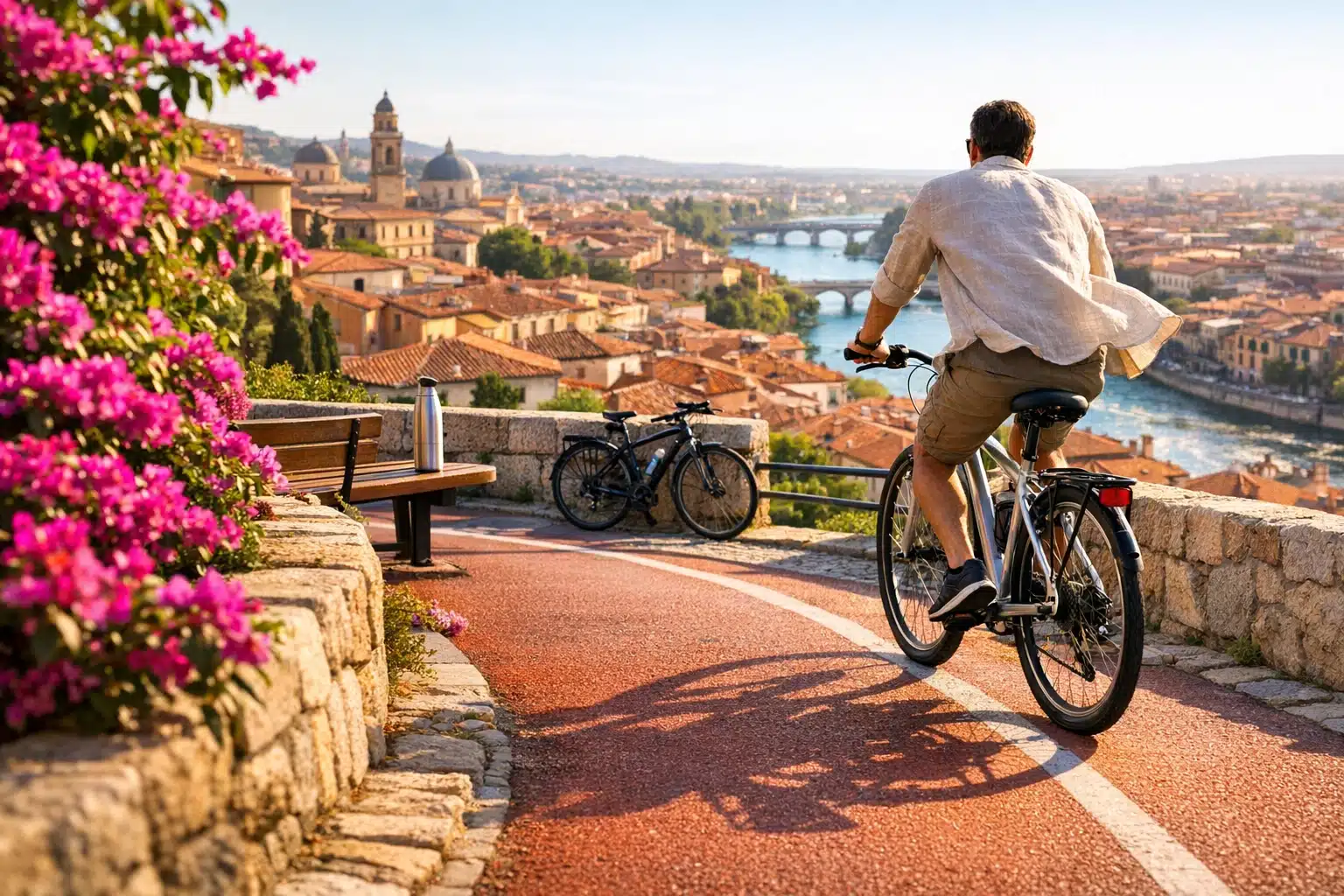
Finding a dependable local bike rental can solve more than a transport problem; it can reshape how a day feels. A bicycle lets you move at human speed, quick enough to cover distance yet slow enough to notice a riverside path, a corner café, or a shortcut your map did not reveal. For residents, it can replace a short car trip; for visitors, it turns sightseeing into a more direct and flexible experience. This guide breaks down how to compare nearby rental options, costs, bike types, and practical details before you book.
Outline
- How local bike rental services work and why nearby options matter
- How to search for and compare bike rental near you listings effectively
- What different bike types cost and which riders they suit best
- What to inspect before riding, from fit and brakes to policies and safety gear
- How to choose the best local bike rental based on your route, budget, and riding style
Understanding Local Bike Rental Options and Why Nearby Matters
When people search for “rent a bike nearby,” they are usually solving one of three problems: they need practical transportation, they want a relaxed leisure activity, or they are trying to explore an unfamiliar area without the cost and hassle of a car. Local bike rental services sit at the intersection of mobility and experience. They are useful because distance is only part of the calculation. Convenience matters just as much. A shop two streets away can save time, simplify pickup, and make returns less stressful than a cheaper option on the far side of town.
The local bike rental market has also grown more diverse. In many cities, you are no longer limited to a traditional storefront with a paper waiver and a row of matching bikes. Today, nearby options often include app-based bike-share systems, hotel partnerships, outdoor stores, independent cycling shops, and seasonal kiosks near waterfronts, parks, campuses, or train stations. Each model serves a slightly different rider.
- Bike-share systems work well for short urban trips and one-way riding.
- Independent rental shops are often better for half-day or full-day use, route advice, and fit adjustments.
- Tour-focused rentals may include helmets, locks, and local maps.
- Hotels and resorts provide convenience, though their fleet quality can vary.
Nearby matters for another reason: support. If a tire goes soft, a chain slips, or the seat height feels wrong after ten minutes, being close to the rental point makes correction far easier. That is especially important for casual riders, families with children, or travelers on tight schedules. Even a strong cyclist benefits from a nearby base because returns are simpler when weather changes or plans shift unexpectedly.
There is also a practical urban advantage. For trips under about 5 kilometers, cycling can compete very well with driving once traffic and parking are included. A relaxed rider often moves at roughly 10 to 12 miles per hour, much faster than walking and sometimes more efficient door to door than waiting for a bus. In that sense, a local bike rental is not only a leisure option. It can be a smart, flexible way to navigate short and medium distances without committing to ownership, maintenance, storage, or theft risk.
How to Find the Best Bike Rental Near You Without Wasting Time
A search for “bike rental near you” can produce dozens of results, but not all listings are equally useful. Some are true rental providers with updated inventory and clear prices. Others are directories, inactive businesses, or shops that mostly sell bikes and rent only a few units. The trick is to move beyond the map pin and evaluate whether a place is actually convenient, reliable, and suitable for your ride.
Start with the basics: location, opening hours, and return policy. A rental shop may appear close on a map but still be inconvenient if it opens late, closes early, or requires the bike to be returned to the same branch before a strict deadline. If you plan a sunset ride or a long afternoon trip, those details matter more than a one-dollar pricing difference. Read recent reviews rather than old averages, because bike fleet quality can change quickly from one season to the next.
Helpful review clues often include:
- Comments on brake condition, tire quality, and general maintenance
- Mentions of friendly staff who help with sizing and route suggestions
- Reports about hidden fees, deposit problems, or unclear damage policies
- Notes on whether helmets, locks, lights, and baskets are included
It also helps to call or message the provider before you go, especially during weekends or holidays. Ask simple questions: What bike types are available today? Are helmets included? Is there an hourly and daily rate? Is there a security deposit? Can the bike carry a child seat or a bag? A two-minute conversation can prevent an awkward arrival where the only remaining option is a bike that does not fit your plan or your height.
Another good comparison point is the surrounding route network. The best local bike rental is not just the nearest shop; it is the nearest useful shop. A rental point beside protected bike lanes, greenways, beach paths, or quiet neighborhood streets can improve the experience dramatically. By contrast, a cheaper bike located next to heavy traffic may not feel worthwhile if you are not a confident rider.
Think of the search as matching three layers: the provider, the bike, and the route. When all three align, a simple rental becomes smooth and memorable. When one fails, the whole ride can feel longer than it is. Good local rentals remove friction before you even start pedaling.
Comparing Bike Types, Rental Prices, and Overall Value
Once you have found a few nearby rental options, the next question is usually cost. Prices vary by city, season, and bike type, but value is about more than the headline rate. A low base price can become expensive if it excludes a lock, charges extra for a helmet, or adds a steep late return fee. On the other hand, a slightly higher rate may include accessories, route advice, and a better maintained bike that makes the day easier from start to finish.
In many markets, standard city bikes and hybrids are the most affordable options. These are ideal for relaxed urban riding, parks, waterfronts, and sightseeing. Hourly rates may range roughly from 8 to 20 US dollars, while full-day rates can fall anywhere between 25 and 60 dollars depending on location and season. E-bikes typically cost more because of battery systems, higher purchase prices, and added maintenance. It is common to see hourly rates around 15 to 35 dollars and daily rates from about 40 to 100 dollars in tourist-heavy areas. Specialized road or mountain bikes may be priced similarly or higher, especially if they are performance models.
Here is a practical way to compare rental categories:
- City bike: best for comfort, short rides, and casual city exploration
- Hybrid bike: a balanced choice for mixed pavement and longer distances
- Road bike: suited to experienced riders focused on speed and distance
- Mountain bike: useful for trails, uneven ground, and rougher terrain
- E-bike: excellent for hills, longer routes, and riders who want less physical strain
- Cargo or family bike: handy for carrying children, groceries, or picnic gear
It is also worth calculating cost by purpose. If your ride is a two-hour loop along flat bike paths, a premium e-bike may not deliver meaningful extra value. If your route includes steep climbs, several neighborhoods, or a long return leg after a full day of sightseeing, the e-bike can feel like money well spent. Battery range matters here. Many e-bikes offer around 20 to 60 miles per charge depending on assist level, rider weight, terrain, wind, and temperature, so asking about real-world range is smarter than relying on a best-case estimate.
Finally, pay attention to what is included in the price. The most useful package often contains a lock, helmet, lights for evening use, and a small repair response or exchange option if something goes wrong. The best local bike rental is not always the cheapest. It is the one that delivers the right machine, the right support, and the right terms for the ride you actually want to take.
What to Check Before You Ride: Safety, Fit, Terms, and Route Planning
Even the most convenient local bike rental can disappoint if you skip the pre-ride check. This step takes only a few minutes and can make the difference between a smooth outing and an uncomfortable or unsafe one. Start with fit. A bike that is too large can feel unstable, while one that is too small may make pedaling inefficient and tiring. Ask the staff to adjust seat height so your leg has a slight bend at the bottom of the pedal stroke. If the handlebars are adjustable, make sure the position feels natural for your back, shoulders, and wrists.
Then inspect the bike itself. You do not need to be a mechanic to notice basic issues. Squeeze both brakes and confirm that they respond firmly. Check the tires for good inflation. Spin the pedals backward and listen for grinding or chain noise. Test the gears in a safe area before leaving. If the bike has lights, turn them on. If it includes a lock, verify that you know how to use it. For e-bikes, confirm the battery level and ask how the assist modes work.
- Check brakes, tires, gears, and seat height before departure.
- Ask about puncture support or what happens in case of a mechanical issue.
- Review the return deadline, damage policy, and deposit release timing.
- Understand where you are allowed to ride, especially with e-bikes or trail bikes.
Safety also depends on matching the route to the rider. A confident commuter may be comfortable in moderate traffic. A family with children or a nervous first-time visitor should prioritize protected lanes, parks, and quieter streets. Many local rental shops can suggest routes based on ability, and that advice is often more valuable than generic map directions. Some digital map apps also let you choose cycling-friendly routes, which can reduce exposure to fast traffic and confusing intersections.
Weather deserves a mention too. Wind, heat, and sudden rain affect both comfort and planning. Carry water for longer rides, especially in warm climates. Bring a light layer if the ride stretches into the evening. If you are using an e-bike, remember that headwinds and hills can reduce battery range. A good ride begins long before the first turn of the wheel; it starts with the quiet, practical decisions that make everything feel easy once you are moving.
Conclusion: Choosing the Right Local Bike Rental for Your Day
If you are trying to rent a bike nearby, the smartest approach is to begin with your actual purpose rather than the first search result. A commuter may care most about speed, opening hours, and a dependable lock. A traveler may want comfort, route tips, and a shop close to major sights. A family might prioritize child seats, easy paths, and staff who can fit several riders efficiently. The best bike rental near you is the one that aligns with that real-world need, not the one with the flashiest website.
By now, the pattern should be clear. Good local bike rental decisions usually come down to five factors: proximity, bike type, price structure, safety, and support. Nearby locations save time and reduce hassle at pickup and return. The right bike shape and size affect comfort more than many first-time renters expect. Transparent pricing protects you from surprise costs. Basic checks on brakes, tires, and accessories improve safety immediately. Helpful staff, fair policies, and practical route advice add value that is easy to overlook when comparing numbers alone.
There is also something quietly satisfying about choosing a bicycle for local travel. A rented bike can make a familiar neighborhood feel fresh, or reveal a new city in a way buses and cars rarely do. You notice storefronts, public spaces, bridges, back streets, and little changes in slope and sound. The ride becomes part transport and part observation. That blend is exactly why so many people search for local bike rental options in the first place.
So if you are standing with your phone in hand, comparing nearby providers, focus on fit for purpose. Check recent reviews, confirm what is included, inspect the bike, and pick a route that matches your confidence level. Do that, and your rental is more likely to feel less like a transaction and more like a well-timed key: simple, useful, and ready to open the day in a different direction.