 Artificially generated image
 Home Decor Ideas: Simple Ways to Refresh Your Space
Home decor is more than a finishing touch; it shapes how a room feels, how easily it functions, and how warmly it receives the people who use it every day. A thoughtfully arranged space can support rest, concentration, conversation, and routine without requiring a full renovation. Whether you are updating a compact rental or a long-term family home, smart decoration choices can refresh familiar rooms and make them more useful at the same time.
Outline and Why Home Decor Matters
Before choosing cushions, wall art, or paint colors, it helps to understand the broader structure of decorating well. Home decoration works best when it follows a clear sequence instead of a random shopping spree. Many people begin with inspiration images, buy a few attractive items, and then wonder why the room still feels unfinished. Usually, the missing ingredient is not money. It is direction. A room becomes convincing when function, proportion, palette, and personality move in the same direction.
This article follows a practical roadmap that can guide both beginners and experienced decorators. The outline is simple, but it is powerful because it connects design decisions to daily life:
- Start with purpose and identify what each room needs to do well.
- Build the foundation with layout, color, lighting, and scale.
- Apply room-by-room home decor ideas that solve real problems.
- Compare materials, finishes, and budget choices before buying.
- Finish with personal details that make the home feel lived in, not staged.
Why does this matter so much? Because our surroundings influence mood, behavior, and even how we use time. Research in environmental psychology often links cluttered or poorly organized spaces with higher stress and reduced focus. On the other hand, rooms with clear pathways, balanced light, and thoughtful storage tend to feel calmer and easier to maintain. Good decor is not just visual. It affects comfort, habits, and household efficiency.
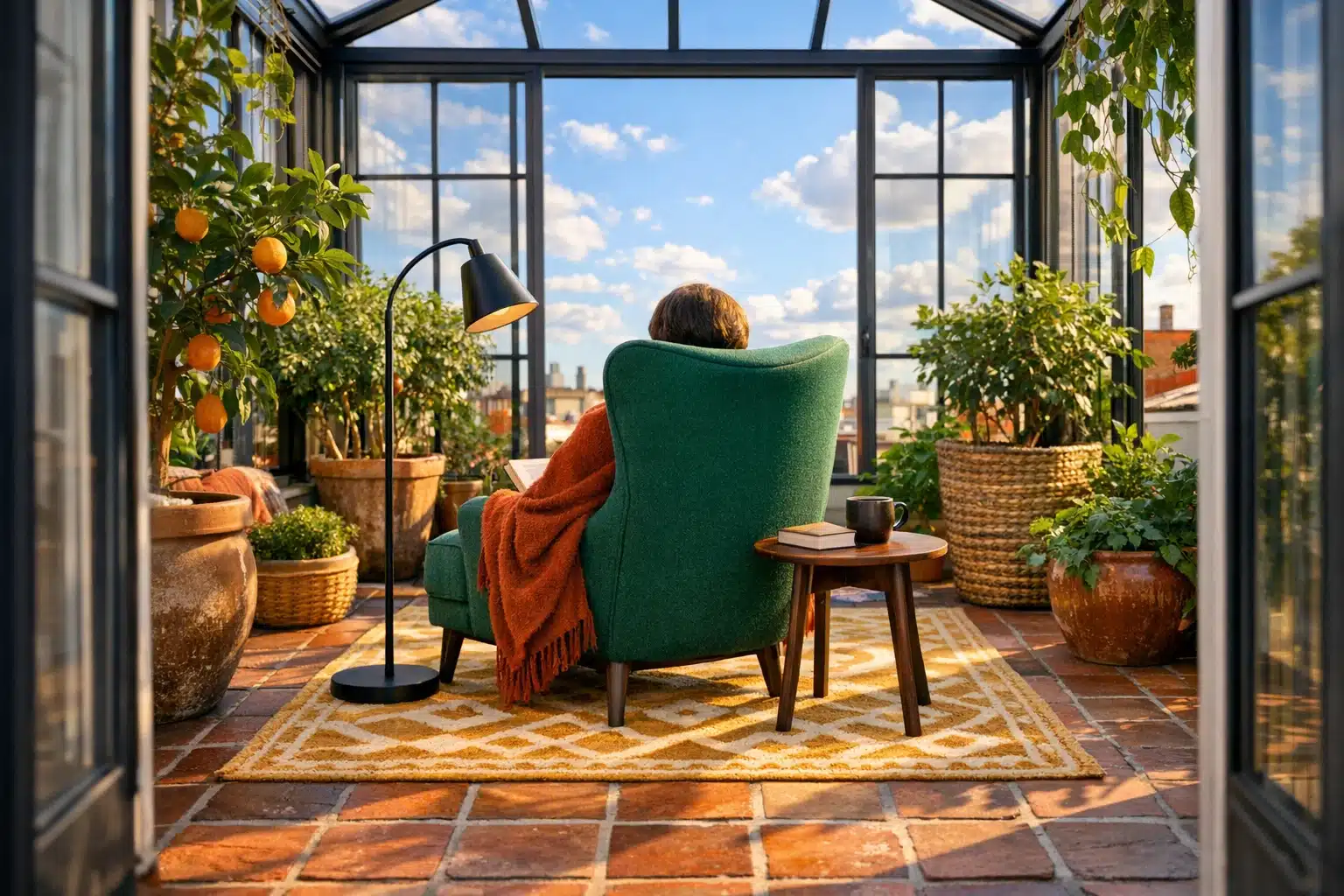
There is also a practical side. Decoration is one of the most accessible ways to improve a home without structural work. Paint, textiles, lighting, shelving, mirrors, and furniture arrangement can dramatically shift the atmosphere of a room at a lower cost than remodeling. A small apartment can feel larger through scale and reflection. A plain bedroom can feel restorative through layering and softer light. A neglected corner can become a reading nook with one chair, one lamp, and one rug. In other words, home decor is where design meets everyday life, and that is exactly why it remains so relevant.
The Building Blocks of Successful Home Decoration
Strong home decor begins with the invisible framework of a room. Attractive objects alone cannot save a space with awkward traffic flow, flat lighting, or furniture that is the wrong size. If a room feels off, the problem is often structural in a decorative sense rather than stylistic. Start with layout. People need to move through a room comfortably, which means keeping clear walkways and arranging furniture around how the room is actually used. In a living room, for example, seating should encourage conversation while still allowing access to tables, doors, and windows. In a bedroom, the bed should feel grounded, not squeezed into a corner unless the room size makes that necessary.
Color is the next major tool. Neutral schemes are popular because they are flexible and calm, but that does not mean they must be dull. A warm neutral room can include cream, sand, taupe, camel, and walnut tones, creating depth without loud contrast. Bolder rooms use color for energy and focus. Deep green can feel grounded, terracotta can add warmth, and blue often supports a cooler, quieter mood. The key is balance. One dominant color, one supporting tone, and one accent usually create more harmony than using many unrelated shades.
Lighting deserves special attention because it changes everything it touches. Designers often think in layers:
- Ambient lighting for overall visibility
- Task lighting for reading, cooking, or working
- Accent lighting for mood and visual interest
Warm white bulbs in the 2700K to 3000K range are commonly used in living rooms and bedrooms because they feel inviting. Slightly cooler light, often around 3500K to 4000K, can work better in kitchens, bathrooms, and work areas where clarity matters more.
Scale and texture complete the picture. A tiny rug under a full seating arrangement can make the room look disconnected, while a larger rug helps unite the furniture. Oversized art can give a modest room confidence; art that is too small often feels accidental. Texture is what keeps a room from looking flat. Linen, wood, metal, ceramic, boucle, wool, glass, and stone all interact differently with light. Think of texture as the quiet music of a room: it changes the mood even when you are not looking directly at it.
Finally, compare decorating approaches honestly. Minimalist rooms often feel open and orderly, but they can seem cold if materials are too hard or sparse. Layered, collected interiors feel warm and personal, yet they need editing or they drift into clutter. The best home decoration usually borrows from both: enough simplicity to breathe, enough character to feel human.
Room-by-Room Home Decor Ideas That Actually Work
Decorating becomes easier when you stop treating the home as one giant puzzle and begin solving it room by room. Each area has its own job, so each one deserves a different strategy. The entryway, for instance, sets the emotional tone within seconds. Even in a small apartment, a narrow console, a mirror, and a tray for keys can make the entrance feel intentional instead of improvised. Add a hook rail or slim shoe storage, and suddenly the room begins working before the day fully starts.
In the living room, focus first on anchoring the seating area. A well-sized rug, a central coffee table, and a lighting plan do more for the space than scattered decorative accessories. If the room feels plain, layer in contrast through cushions, curtains, and natural materials such as wood or woven baskets. If it feels chaotic, reduce small objects and combine them into grouped arrangements. Three meaningful pieces on a shelf usually look more composed than eleven unrelated ones. Plants can also help bridge gaps in a room because they add height, shape, and life in one move.
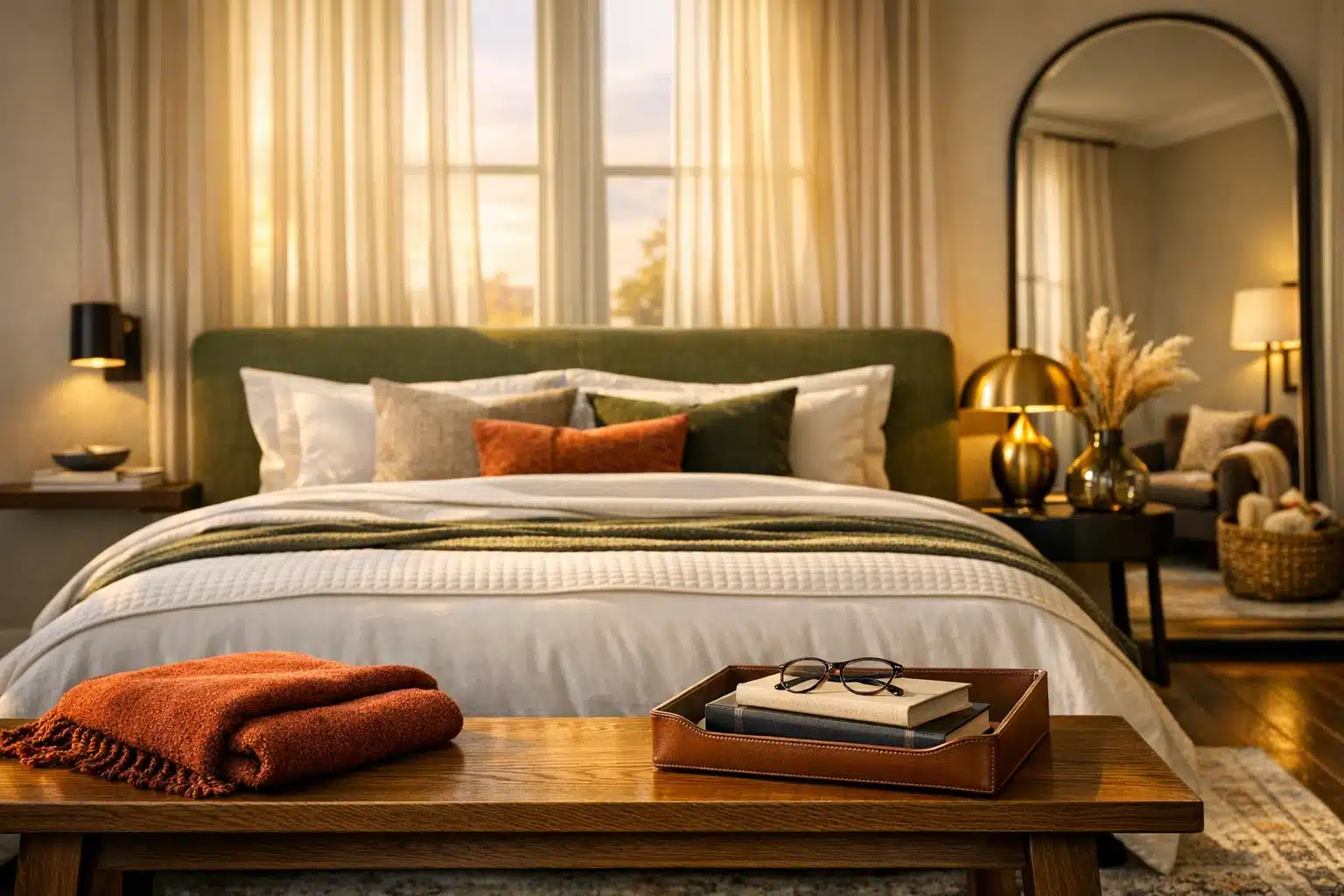
The bedroom should protect rest. That does not mean it must look bland. It means the decor should reduce visual friction. Soft bedding, a rug underfoot, bedside lighting at a comfortable height, and curtains that manage light effectively can transform sleep quality as well as style. Blackout curtains are useful for many people, especially in bright urban settings, while layered bedding makes the room feel finished and welcoming. Think of the bedroom as the exhale of the home.
Kitchens and dining areas benefit from decor that blends beauty with utility. Open shelves can look appealing, but only when the displayed items are consistent and practical. Matching jars, neatly stacked dishes, and a limited palette work better than crowded shelving filled with rarely used items. In dining spaces, the table often needs only a simple centerpiece, such as a ceramic bowl, seasonal branches, or a linen runner. Good lighting above the table matters more than complicated styling.
Bathrooms are often overlooked, yet small upgrades can make them feel surprisingly refined. Consider:
- Matching towels in one or two tones
- A framed mirror instead of a plain builder-grade version
- Closed storage for cleaning items and open storage for attractive essentials
- A plant if natural light allows it
For small rooms, mirrors can increase brightness by reflecting light, but placement matters. A mirror facing a window can amplify daylight; one facing visual clutter only doubles the problem. Vertical storage, light wall colors, furniture with visible legs, and dual-purpose pieces also help compact spaces feel more open.
The best room-by-room decorating idea is simple: solve the function first, then decorate the solution. That is how a home begins to feel coherent instead of merely furnished.
Budget, Materials, and Style Choices: What to Spend On and What to Save On
A polished home does not depend on unlimited spending. In fact, budget constraints often improve decorating decisions because they force clarity. When every purchase must earn its place, the result is usually more thoughtful and more cohesive. The smartest approach is to divide items into three groups: pieces worth investing in, items that can be upgraded gradually, and details that can be changed seasonally or on impulse.
Spend more on the elements that affect comfort and longevity. A supportive sofa, a mattress, dining chairs used every day, and durable rugs in high-traffic spaces are often worth careful investment. Save more freely on trend-sensitive accessories such as cushion covers, vases, small decorative objects, and temporary wall decor. If your taste evolves, those pieces are easier and cheaper to replace.
Material comparison also matters. Solid wood furniture is often durable and repairable, but it costs more and can be heavy. Engineered wood or MDF can be affordable and visually appealing, though it usually offers less longevity, especially in damp areas. Natural stone looks beautiful and ages well, but quality porcelain can mimic the look at a lower price and with easier maintenance. Linen and wool offer texture and breathability, while synthetic fabrics may resist stains better in homes with children or pets. There is no universal winner; the right choice depends on use, maintenance, and budget.
Paint and wallpaper offer another useful comparison. Paint is usually cheaper, easier to update, and better for broad color changes. Wallpaper can add strong pattern, texture, and identity, especially in powder rooms, feature walls, or alcoves. Peel-and-stick options suit renters, but long-term performance varies by surface quality and humidity. If you want maximum flexibility, paint wins. If you want dramatic surface character, wallpaper often wins.
Vintage and secondhand decor can stretch a budget while adding uniqueness. An older wooden side table, framed artwork from a local market, or a refurbished lamp may bring more charm than a brand-new mass-produced piece. The secret is editing. A collected room feels rich when pieces relate through tone, material, or proportion. Without that link, thrifted finds can look accidental rather than curated.
Use a simple decision filter before buying:
- Does this item solve a need or only fill a gap?
- Will it still make sense if the room changes slightly next year?
- Does it coordinate with what I already own?
- Can I maintain it easily in real daily life?
Decorating on a budget is not about buying less beauty. It is about buying with more intention, which usually leads to a better home anyway.
Conclusion: Create a Home That Fits Your Life
For renters, homeowners, busy families, remote workers, and anyone trying to make everyday rooms feel better, the central lesson is reassuring: home decor does not have to be dramatic to be effective. The most successful spaces rarely come from copying a showroom page by page. They come from observing how life happens at home and then shaping the environment to support it. A good room can wake you up gently, help you focus, welcome friends, or make the end of a long day feel softer. That is not trivial. It is one of the most practical forms of design.
If you feel unsure where to begin, start small and sequence the work. Choose one room. Clear what does not belong there. Identify the room’s purpose. Measure before buying. Improve lighting. Add storage if clutter keeps returning. Then layer in textiles, art, and objects that reflect your taste. This order matters because decoration sits best on top of a room that already functions well.
A simple action plan looks like this:
- Pick one room that causes the most daily frustration.
- Decide what mood and function you want from it.
- Use color, light, and layout to fix the basics first.
- Add decor gradually instead of all at once.
- Edit regularly so the room stays useful and visually calm.
Remember that style does not need to be loud to feel personal. A home can be warm without being crowded, elegant without being formal, and modern without feeling severe. A ceramic lamp from a flea market, curtains that soften afternoon light, a chair placed exactly where reading feels natural, a bowl that catches keys before they disappear into chaos: these are small decisions, yet they accumulate into atmosphere. That is the real magic of home decoration. It turns ordinary routines into experiences that feel considered.
If you are the kind of reader who wants a home that looks better, works better, and feels more like your own, focus on progress rather than perfection. Refreshing your space is not about chasing an ideal image. It is about creating rooms that support the way you actually live, one thoughtful choice at a time.