Local Bike Rental Near You: Daily Rental Options and Tips
Whether you are planning a relaxed ride through town, commuting for a day, or exploring a new neighborhood, local bike rental can be a simple way to move with freedom. It often costs less than a car, reveals streets at human speed, and removes the burden of owning, transporting, or storing a bike. Knowing how to find a reliable bike rental near you, compare daily rates, and choose the right model can turn a casual outing into a smoother, safer trip.
Outline
- How to find a bike rental near you and verify quality before booking
- How local bike rental options differ, from independent shops to public bike-share systems
- What daily bike rental prices usually include, and which extra fees deserve attention
- How to match the bike type to your route, comfort needs, and riding experience
- Final booking tips and a practical conclusion for residents, visitors, and day riders
How to Find a Bike Rental Near You Without Guesswork
Searching for a bike rental near you sounds easy, yet the most convenient result on a map is not always the most suitable one. Location matters, but so do opening hours, bike condition, staff support, and the kind of riding you intend to do. A traveler who wants to cruise a waterfront trail has different needs than a commuter who simply wants a reliable bike for meetings across town. The best starting point is to combine digital convenience with a little local common sense. A map search can show what is nearby, while customer reviews often reveal details that a listing does not, such as whether the brakes feel solid, whether the shop offers locks at no extra charge, or whether same-day availability is realistic during a busy weekend.
A strong local search usually includes several checkpoints. City tourism pages, transit websites, hotel desks, cycling clubs, and neighborhood social groups can all point to rentals that may not rank first online. In many destinations, public bike-share systems appear in one app, while traditional shops are listed separately, so it helps to check both. If you are riding with children, carrying groceries, or planning a longer outing, call ahead instead of assuming the right bike will be waiting. A five-minute phone call can save an hour of disappointment.
- Ask whether frame sizes are available for your height
- Confirm what comes with the rental, such as a helmet, lock, lights, or phone mount
- Check pickup and return times, especially for daily rental cutoffs
- Find out whether roadside support or swap-outs are offered if a flat tire appears
- Verify whether reservations are recommended in peak seasons or on weekends
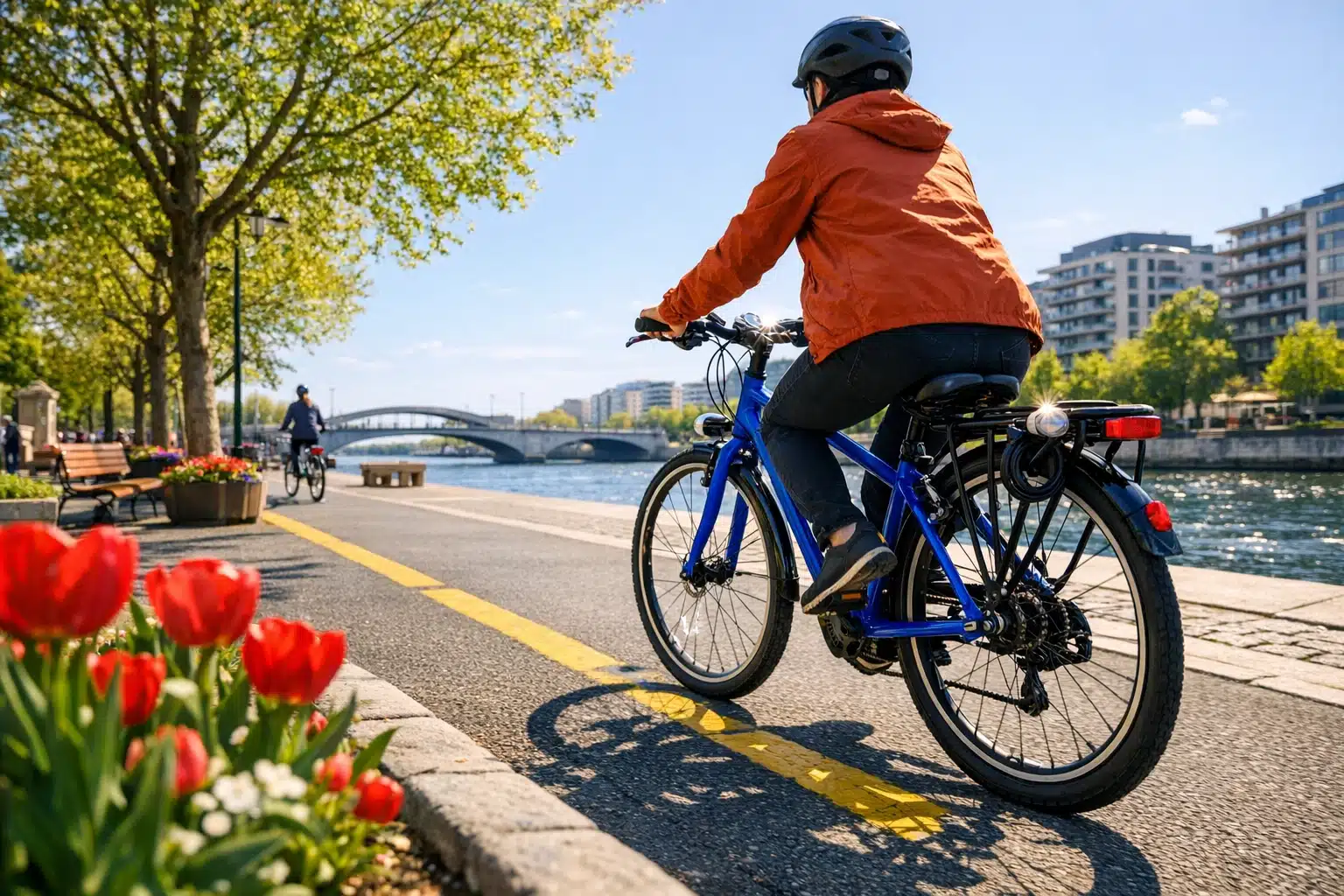
Context also matters. A shop near a train station may be ideal for quick access, while a neighborhood operator near a greenway may offer better route advice. Picture two riders: one lands downtown for a conference and rents from a docked station for short urban trips; another is traveling with family and chooses a local bike rental shop that provides child seats and a calmer handover. Both found a bike rental near them, but each used a different path to get the best fit. In that sense, proximity is only the first clue. The real goal is not merely to locate a bicycle. It is to find a well-matched ride that fits your day, your route, and your comfort level.
Local Bike Rental Options: Shops, Docked Systems, and App-Based Services Compared
When people search for local bike rental, they often discover that the phrase covers several very different services. The most traditional option is the independent bike shop. These businesses usually offer personal fitting, staff advice, and a wider range of bicycles, from city cruisers and hybrids to road bikes, e-bikes, and sometimes children’s equipment. A good shop can feel like a knowledgeable guide in mechanical form. You walk in expecting wheels and walk out with local route suggestions, safety tips, and sometimes a small repair kit tucked into the basket of your plan. This type of rental often suits riders who value support, comfort, and flexibility.
Public bike-share systems operate differently. They are built for convenience, speed, and short urban journeys. You unlock a bike at one station, ride to another area, and dock it there. For errands, commuting, and one-way travel, this model can be very efficient. It is often easier for solo riders who do not need accessories or extended handholding. However, bike-share fleets can have limitations. The bikes are designed for general use, not always for long scenic days, steep terrain, or riders who want specific frame sizes. Daily passes may look attractive, but they sometimes work best when each ride stays under a set time limit rather than when one bike is kept continuously for many hours.
Then there are app-based operators, hotels, campgrounds, adventure outfitters, and specialty e-bike businesses. These options occupy the middle ground. Some focus on easy booking and neighborhood pickup, while others specialize in a niche, such as gravel routes, beach cruising, or family gear. The quality can be excellent, but the details vary more widely than they do with a city-run system.
- Independent shops usually provide the most guidance and accessory options
- Bike-share systems excel at short, simple, point-to-point travel
- Specialty rental companies can be the best choice for hills, long rides, or family outings
- Hotel rentals are convenient, though selection may be limited
The right comparison is not only about price. It is also about service depth, route type, and convenience. If your day involves several stops, a shop rental with a sturdy lock may be ideal. If you just need transportation across a compact city center, bike share might be the smartest answer. If your ride includes scenic climbs or a longer suburban loop, an e-bike specialist may justify a higher rate through better performance and comfort. Local bike rental is not one market with one standard experience. It is a menu, and a better day usually begins when you order the option that matches how you actually plan to ride.
Daily Bike Rental Costs, Fees, Deposits, and What Value Really Means
Daily bike rental sounds straightforward, but pricing can vary more than first-time renters expect. In many cities, a standard comfort bike or basic hybrid may cost roughly 20 to 50 dollars for a day, while premium hybrids or road bikes can land in a higher bracket. E-bikes often sit above that range, commonly around 50 to 120 dollars per day depending on market, battery size, and local demand. In resort areas or peak travel seasons, prices may rise. In smaller towns or quieter periods, rates may be more relaxed. These figures are general rather than fixed, yet they help frame the market and prevent a bargain from looking better than it really is.
The daily rate is only the visible part of the bill. What truly matters is what that rate includes. A lower headline price can become less appealing if the helmet costs extra, the lock is optional, the lights are missing, or late return fees begin after a narrow cutoff. Some operators place a temporary hold on a credit card rather than charging a classic deposit, while others may ask for identification and a signed agreement that spells out damage responsibility. Bike-share services sometimes use a day pass structure, but they may apply additional charges if each ride exceeds a time threshold. That distinction is important. A daily pass does not always mean unlimited possession of one bike for the entire day.
- Ask whether taxes and service fees are already included in the listed price
- Check if helmets, locks, baskets, or child seats are part of the package
- Read the late return policy before assuming a little delay is harmless
- For e-bikes, ask about charger access and expected battery range
- Find out whether damage waivers exist and what they actually cover
Value is not identical to low cost. A well-maintained local bike rental may charge slightly more but save you from poor shifting, soft tires, or wasted time. Imagine two options: one shop advertises a cheap daily bike rental but sends you out with no route advice and a lock that looks tired; another includes a map, basic accessories, and quick help if something goes wrong. The second option may be the better deal even at a higher sticker price. Think of it as buying certainty, not just access to wheels.
A simple rule helps here: compare the full riding experience, not just the rate on the board. When you factor in location, included gear, service quality, and the fit between bike and route, the cheapest line item is not always the smartest choice. Good value in daily bike rental usually means fewer surprises, smoother logistics, and a ride that feels inviting from the first block to the final return.
Choosing the Right Bike for Your Day: City Bikes, Hybrids, E-Bikes, and Specialty Models
Not every rental bicycle is built for the same kind of day, and choosing well can shape the entire experience. A city bike, sometimes called a comfort bike or cruiser, is perfect for short urban rides, flat routes, and easy sightseeing. It usually prioritizes upright posture, simple controls, and a relaxed feel. For riders who want versatility, hybrids are often the quiet heroes of local bike rental. They combine practical comfort with better efficiency, making them suitable for mixed surfaces, park paths, and longer outings that would feel sluggish on a heavy cruiser. If speed or long paved routes matter, a road bike may be available from specialist shops, though that option usually suits more experienced riders.
E-bikes deserve special attention because they have changed the daily rental market. They help on hills, stretch a rider’s range, and reduce the effort needed to arrive without feeling drained. For visitors in hilly cities or people returning to cycling after a long break, an e-bike can transform what seemed ambitious into something enjoyable. Battery performance varies, but many rental e-bikes commonly offer around 20 to 60 miles of support depending on terrain, rider weight, assist level, and wind. That range is broad for a reason. A gentle riverside ride and a steep urban climb do not ask the same question of a battery.
Specialty models matter too. Cargo bikes can carry shopping bags or children, folding bikes can be useful when paired with public transit, and mountain bikes make sense on rougher trails where permitted. If children are joining, ask about trailers, tag-alongs, or youth bikes rather than assuming a smaller adult frame will do. Comfort and control are safety issues, not luxuries.
- Choose a city bike for short, flat, relaxed rides
- Choose a hybrid for a balanced mix of comfort and efficiency
- Choose an e-bike for hills, longer distances, or lower physical strain
- Choose a specialty model when carrying gear, riding with family, or matching a specific terrain
Before leaving the shop, take a brief test ride. Check saddle height, brake feel, tire pressure, and whether the gears shift cleanly. A good rental handover should feel less like paperwork and more like a small rehearsal for the day ahead. When the bike matches your route and your confidence level, the city stops feeling like something to cross and starts feeling like something to experience. That is the difference between merely renting transport and finding a ride that genuinely suits you.
Conclusion for Riders Near Home or Away: Smart Booking Tips for a Better Daily Rental
If you are looking for a bike rental near you, the smartest approach is rarely the fastest click. Local bike rental works best when you match the service to the shape of your day. Residents may value convenience, repeatability, and fair weekday pricing. Visitors often care more about route advice, easy pickup, and the confidence that comes from a well-prepared bike. Daily bike rental sits right in the middle of those needs, offering enough flexibility for a meaningful ride without the long-term cost of ownership. For many people, it is the simplest way to turn a plan into motion.
The practical steps are refreshingly manageable. Reserve ahead when demand may be high, especially on weekends, holidays, or sunny mornings that seem to invite half the city outdoors. Bring identification, check whether a payment hold will be placed on your card, and confirm the return time before rolling away. Dress for the route rather than the photograph. Comfortable layers, water, and a small bag often matter more than stylish ambition. If the ride includes stops, ask for the strongest lock available and learn how to use it properly. A lovely day can be spoiled by one careless minute outside a bakery.
- Book early when weather and tourist traffic are likely to raise demand
- Read the terms for return time, damage, and included accessories
- Pick the bike that suits the route, not the one with the most exciting label
- Check fit and brakes before departure instead of adjusting later in traffic
- Save the shop number in your phone in case you need help mid-ride
For target readers, whether you are a local exploring your own city with fresh eyes or a visitor trying to cover more ground without rushing, the message is simple. A good rental is not only about availability. It is about relevance. The right local bike rental gives you practical mobility, a closer view of the streets, and a pace that invites curiosity. A daily rental, in particular, offers a rare balance: enough time to wander, enough freedom to change plans, and enough structure to keep things easy.
When chosen well, a rented bike can make a familiar neighborhood feel newly textured and an unfamiliar place feel immediately legible. The road stops being a line between two points and becomes part of the reason you went out at all. That is why comparing local options, understanding daily terms, and selecting the right model matters. A thoughtful booking does not guarantee perfect weather or empty paths, but it does something just as useful: it gives your day the best chance to unfold smoothly, one pedal stroke at a time.