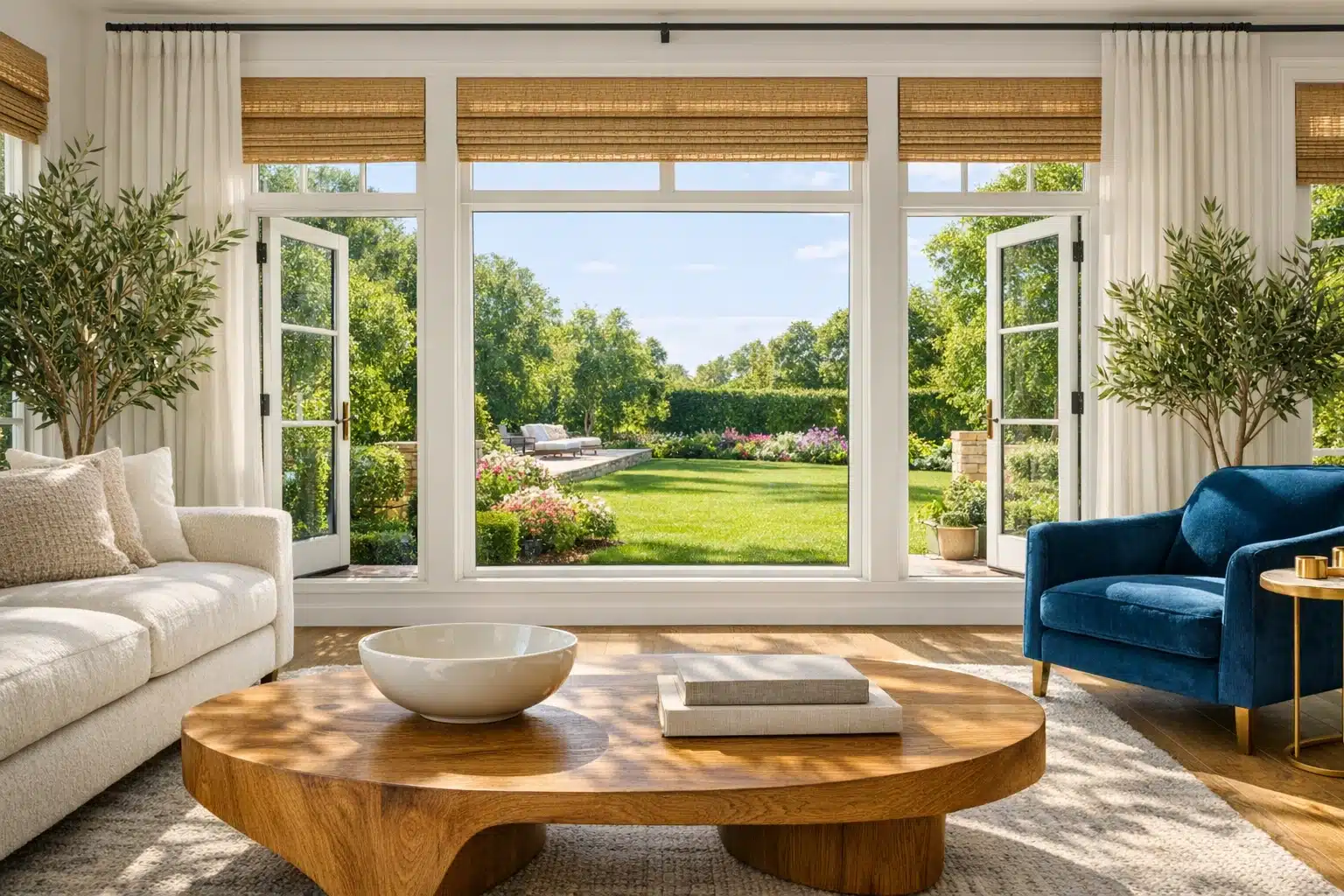
 Artificially generated image
 A Homeowner’s Guide to Window Replacement and Energy-Efficient Windows
Windows quietly shape how a home feels, sounds, and performs every single day. When drafts creep in, condensation clouds the glass, or utility bills keep climbing, replacement stops being a cosmetic project and becomes a practical upgrade. The right home window replacement can improve comfort, support resale appeal, and reduce wasted energy without turning the house into a construction zone for weeks. This guide breaks the process into clear steps so you can compare options with confidence and avoid expensive guesswork.
Article outline:
- How to define the scope of a window replacement project and set realistic goals.
- How to tell whether a window needs repair, an insert replacement, or a full-frame replacement.
- How common window styles, frame materials, and glass packages compare in daily use.
- How energy efficient windows work, including the labels and features worth understanding.
- How to budget, evaluate installers, and make a sound final decision for your home.
Planning a Window Replacement Without Guesswork
A window project rarely begins with a spreadsheet. More often, it starts with a small annoyance that slowly becomes impossible to ignore: a room that never feels warm enough in winter, a sash that sticks every rainy season, or street noise that seems to slide through the glass as if the wall forgot to show up. That first moment matters because it defines the real goal. Some homeowners want lower energy use. Others want less maintenance, better curb appeal, improved ventilation, or quieter bedrooms. The smartest projects begin by naming those priorities clearly before anyone talks about brands, colors, or quotes.
Scope is the next decision. Home window replacement can be handled all at once or in phases. Replacing every unit in a single project may create cleaner scheduling and a more consistent look, but a phased approach can ease cash flow and let you start with the rooms that cause the most discomfort. The condition of the frames also influences the plan. If the existing frame is sound, an insert replacement may fit inside it with less disruption. If there is rot, water damage, poor flashing, or structural deterioration, a full-frame replacement is often the better long-term choice because it allows the installer to inspect and rebuild the opening properly.
Before comparing products, gather practical information about the house itself. Climate, orientation, age of the property, and local building rules all matter. A sunny west-facing living room has different needs than a shaded north-facing office. Older homes may require extra care around trim, plaster, or lead-safe work practices. Condominiums and HOA-governed communities can also limit exterior changes.
- List the rooms that feel hottest, coldest, noisiest, or hardest to maintain.
- Note whether the issue is glass performance, frame condition, operation, or appearance.
- Measure the rough size of each opening, even if a contractor will remeasure later.
- Decide whether you want to preserve the current style or improve airflow and sightlines.
Planning may feel less exciting than shopping, but it is where costly mistakes are prevented. When priorities are clear, every later choice becomes easier to judge. Instead of buying what sounds impressive in a showroom, you can choose what actually suits the home you live in every day.
When to Replace Windows and When Repair Still Makes Sense
Not every aging window needs to be replaced immediately. Some problems belong to the repair category, while others are warning signs that a full upgrade will save money, labor, and frustration over time. The key is learning the difference between a fixable nuisance and a system that is no longer doing its job. If weatherstripping is worn, hardware is loose, or old caulk has cracked, targeted repairs may restore performance at modest cost. If seals have failed, frames are deteriorating, or the unit no longer operates safely, replacement becomes much easier to justify.
Several symptoms show up again and again in homes that are ready for new windows. Drafts are an obvious clue, but they are not the only one. Glass that fogs between panes often indicates a failed insulated glass seal. Wood rot around the sill or jamb suggests ongoing moisture exposure. Windows that refuse to stay open, will not lock correctly, or demand a wrestling match every time you use them can also be safety concerns, not just annoyances. Outside noise is another practical signal. If traffic, barking dogs, or neighborhood activity seem louder than they should, modern glazing may improve day-to-day comfort even when the old windows still technically open and close.
- Condensation between panes usually points to seal failure in insulated glass units.
- Soft wood, peeling paint, and dark staining can signal moisture damage.
- Noticeable drafts near closed windows often mean air leakage or poor installation.
- Single-pane windows in demanding climates are commonly less efficient than modern replacements.
- Difficulty locking or opening a unit may affect both convenience and emergency egress.
That said, replacement is not always the only respectable answer. In historic homes, original wood windows may be worth repairing if the craftsmanship is strong and the frames remain sound. Adding quality storm windows, restoring sash cords, replacing glazing putty, and improving air sealing can meaningfully improve comfort while preserving character. This approach can be especially appealing when local preservation rules apply.
A practical rule is simple: if the core structure is healthy and the problem is isolated, repair deserves a serious look. If multiple issues are stacking up at once, replacement often delivers better value. When you are spending money on recurring fixes, losing conditioned air, and still living with poor operation, the window is telling you its story. At some point, it is no longer asking for help. It is asking to retire.
Comparing Window Styles, Frame Materials, and Glass Options
Once replacement makes sense, the market opens into a long aisle of choices. This is where many homeowners feel pulled in different directions because style, material, and glass package all influence performance. A beautiful window that is awkward to clean or ill-suited to the room can become a daily irritation. A cheaper unit that saves money upfront may also bring more maintenance, shorter service life, or weaker insulation. The goal is not to find one universally perfect option. It is to match the right combination to the way the home is used.
Operating style affects airflow, cleaning access, appearance, and energy performance. Double-hung windows are popular because both sashes can move, which helps with ventilation and cleaning in many homes. Casement windows hinge outward and typically seal tightly when closed, making them attractive for energy-conscious buyers. Sliding windows are simple and easy to use in wide openings, though some designs may not seal as tightly as a good casement. Awning windows work well higher on walls or in wet climates because they can sometimes remain open during light rain. Picture windows do not open at all, but they can offer broad views and strong efficiency since there are fewer moving parts.
- Double-hung: familiar look, flexible ventilation, common in traditional homes.
- Casement: strong seal, wide opening, often excellent for capturing breezes.
- Slider: straightforward operation, useful for horizontal spaces.
- Awning: good for bathrooms, basements, and rainy conditions.
- Picture: fixed glass, generous daylight, no ventilation.
Frame material is the next major comparison. Vinyl is widely chosen for its relatively low maintenance and approachable price. Wood offers warmth, paintability, and classic curb appeal, but it usually asks more of the owner in maintenance and cost. Fiberglass is valued for stability, durability, and a refined look, often landing between vinyl and premium wood in the conversation. Aluminum can be sleek and strong, though it is generally less insulating unless thermally improved. Clad wood windows try to combine a wood interior with a weather-resistant exterior surface.
Glass packages deserve equal attention. Double-pane units are common, while triple-pane windows may improve comfort and sound control in colder or noisier settings. Low-emissivity coatings, gas fills such as argon, and warm-edge spacers can all help reduce heat transfer. What matters most is not chasing every available feature, but selecting a balanced package that fits your region, budget, and expectations. A west-facing room with harsh afternoon sun may benefit from different glass properties than a shaded bedroom. Good choices feel almost invisible once installed, which is exactly the point.
How Energy-Efficient Windows Work and Which Ratings Matter
Energy efficient windows are often marketed with polished phrases, but their value becomes much clearer when you understand the science behind them. The U.S. Department of Energy notes that heat gain and heat loss through windows are responsible for roughly 25 percent to 30 percent of residential heating and cooling energy use. That does not mean replacement will slash every utility bill dramatically, because results depend on climate, insulation levels, HVAC efficiency, and air sealing elsewhere in the house. Still, windows play a meaningful role in comfort and energy management, especially when existing units are older, leaky, or single-pane.
A modern energy-efficient window is not defined by one feature alone. It is a system made up of glazing, coatings, spacers, frame design, weatherstripping, and installation quality. Low-E coatings help reflect heat while allowing visible light to pass through. Multiple panes create insulating space between layers of glass. Gas fills such as argon can improve thermal performance compared with ordinary air. Warm-edge spacers reduce heat transfer around the perimeter of the glass. A well-designed frame further limits unwanted air movement and thermal bridging.
Labels are where many homeowners either gain confidence or get lost in jargon. The most useful ratings include:
- U-factor: measures how well a window prevents heat from escaping. Lower numbers generally indicate better insulation.
- Solar Heat Gain Coefficient, or SHGC: measures how much solar heat the window lets in. Lower values can help in hot climates, while moderate values may be useful in colder regions with winter sun.
- Visible Transmittance, or VT: shows how much natural light passes through the glass.
- Air Leakage, or AL: indicates how much air can move around the window assembly.
- Condensation Resistance: provides insight into how well the window resists interior moisture buildup.
Climate matters when reading those numbers. In a cooling-dominated region, homeowners often prioritize lower SHGC to limit solar heat. In colder locations, lower U-factor may matter more because keeping interior warmth inside is the bigger challenge. That is why ENERGY STAR certification uses climate zones rather than a one-size-fits-all standard. A window that performs well in Arizona may not be the same one you would choose in Minnesota.
It is also worth being realistic. Energy-efficient windows can improve comfort near the glass, reduce fading risk with appropriate coatings, and help lower HVAC strain. They do not magically fix poor attic insulation, leaky doors, or undersized heating equipment. Think of them as one important piece of the building envelope. When chosen thoughtfully and installed correctly, they make a home feel calmer, steadier, and less vulnerable to the weather outside.
Budgeting, Installation Choices, and a Final Decision Framework for Homeowners
Price is often the point where enthusiasm meets reality. Window replacement costs vary widely because the product itself is only one part of the bill. Size, shape, frame material, glazing package, exterior trim work, labor rates, access challenges, and the condition of the openings all affect the final number. A straightforward insert replacement in a standard size opening is usually less expensive than a full-frame replacement involving trim repair, flashing updates, or custom shapes. Premium materials, specialty finishes, and historic details also push pricing upward. That is why online averages can be useful for rough orientation but unreliable for real planning.
Quotes deserve close reading. One estimate may look cheaper simply because it includes fewer items. Another may cost more because it covers disposal, interior finishing, exterior capping, permit handling, or upgraded installation methods. Ask each company to explain exactly what is included so you are comparing equivalent scopes of work.
- Confirm whether the quote is for insert replacement or full-frame replacement.
- Ask who measures the windows and who is responsible for correcting errors.
- Verify warranty terms for both the product and the installation labor.
- Check whether exterior trim, interior touch-up, flashing, and cleanup are included.
- Request estimated lead time, installation duration, and payment schedule.
Installation quality matters as much as the window itself. Even a high-performing unit can disappoint if it is poorly shimmed, inadequately flashed, or sealed carelessly. Water management is especially important. The installer should understand how to create a durable path that directs moisture away from the opening, not into the wall assembly. In older homes, this part of the work can reveal hidden damage, which is another reason to leave room in the budget for a little uncertainty.
For homeowners making the final call, the best choice is usually not the cheapest product and not the fanciest brochure. It is the option that balances durability, comfort, maintenance, appearance, and verified performance for your climate. If a bedroom is noisy, sound control may deserve more weight. If the current windows are rotting, structural integrity may come before cosmetic detail. If cooling bills are climbing in a sunny house, glass selection should move higher on the priority list.
In the end, home window replacement is about daily living, not just hardware. Good windows help rooms hold a steadier temperature, make operation feel effortless, and reduce the little irritations that chip away at comfort. For homeowners, the smartest path is to define the problem clearly, compare options honestly, and choose an installer with a strong reputation for careful work. When those pieces line up, energy-efficient windows stop being a sales phrase and become a practical upgrade you can feel every season.