Bike Rental Near You: How to Find a Reliable Local Bike Hire Service
A good bike rental shop does more than hand over a set of wheels; it shapes the whole rhythm of your day. Choose well, and the ride feels light, practical, and a little adventurous, whether you are commuting across town or tracing a waterfront path on vacation. Choose badly, and you may face weak brakes, unclear fees, or a bike that never quite fits. That is why knowing how to evaluate a local bike hire service matters before you book.
Article Outline
• Why local bike rental has become a practical option for travel, commuting, and leisure.
• How to search for a trustworthy bike hire service nearby and what signals quality.
• Which rental models and bike types suit different riders, routes, and budgets.
• What to know about prices, insurance, safety checks, and add-on equipment.
• A final summary for tourists, residents, families, and casual riders choosing their next rental.
Why Local Bike Rental Matters More Than Ever
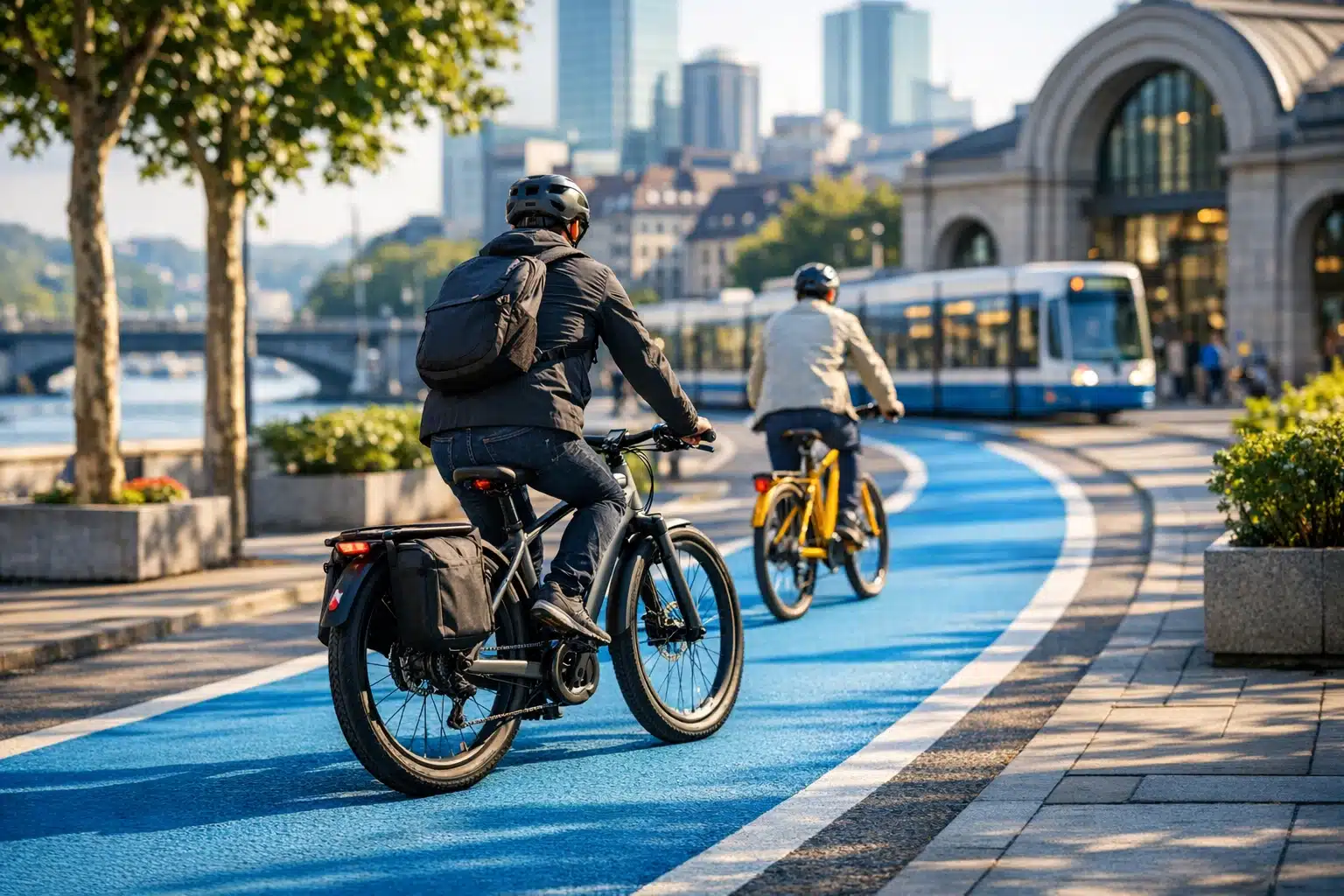
Searching for a bike rental near you is no longer something only travelers do on holiday. It has become a useful option for local residents, occasional riders, students, weekend explorers, and even commuters who do not want the cost or responsibility of owning a bicycle full time. In many towns and cities, a rental can fill a simple gap: your own bike is in repair, public transport does not reach the last mile, or you want an easier way to move through crowded streets without circling for parking. That mix of convenience and flexibility explains why local bike rental services have expanded well beyond tourist districts.
There is also a practical financial angle. Buying a bicycle can be cost-effective over time, but ownership brings added expenses such as locks, lights, tune-ups, tire replacements, storage, and sometimes insurance. Renting lets people ride only when they need to. For a visitor in town for one day, or a resident who cycles twice a month, that arrangement often makes more sense than making a full purchase. E-bikes strengthen this argument even more, because battery systems and electronics raise both purchase and maintenance costs. A local bike hire service allows someone to try an e-bike, cargo bike, or hybrid model without a long-term commitment.
The appeal is not only about money. Bicycles offer a different experience of place. A car moves quickly but can separate you from the street; walking is intimate but slower; a bike sits right in the middle, turning distance into possibility. On two wheels, neighborhoods feel connected, waterfronts stretch open, and errands become less tedious. That is one reason bike rental businesses often attract a wide audience:
• tourists who want a flexible way to sightsee
• commuters testing a cycling route before buying a bike
• families needing child seats or smaller frames
• riders who want a specific bike type for a day trip or trail ride
There are broader benefits as well. A bicycle takes up less road space, produces no tailpipe emissions, and can reduce short car trips that clog urban centers. Local rental programs sometimes work alongside transit networks, helping riders cover the first and last part of a journey. For city planners and local businesses, that matters. Areas with safe cycling access often see more foot and bike traffic, which can support cafes, shops, and public spaces. So when someone looks up a local bike rental, they are not just renting equipment. They are buying access to mobility, freedom, and a version of the city that feels closer, calmer, and easier to enjoy.
How to Find a Reliable Bike Hire Service Near You
The fastest way to locate a local bike rental is still a map search, but the smartest approach goes a step further. A listing that appears first on your phone is not automatically the best choice. Reliability usually shows up in small details: current opening hours, clear photos of the fleet, transparent pricing, maintenance notes, and recent customer reviews that mention specific experiences rather than vague praise. If several people mention friendly staff, properly adjusted bikes, and smooth check-in, that is useful. If reviews repeatedly mention flat tires, poor communication, or surprise charges, that pattern deserves attention.
Start with location and purpose. A shop near a train station may be perfect for convenience, while a rental point near a park, waterfront, or trailhead may be better for leisure rides. Then match the provider to the kind of trip you actually plan to take. Someone heading across a compact city center might be fine with a simple city bike. A rider planning hills, longer distances, or warm-weather sightseeing may appreciate an e-bike or hybrid. Parents may need helmets in multiple sizes, child seats, tag-alongs, or cargo options. The best provider is not always the cheapest; it is the one whose fleet and policies fit the ride you have in mind.
Before you reserve, check for signs of professionalism:
• Are bike types, sizes, and accessories listed clearly?
• Does the company explain deposits, cancellation terms, and late return fees?
• Can you contact a real person by phone, message, or email?
• Are helmets, locks, lights, and repair kits available?
• Does the business explain what happens if the bike has a mechanical issue during your rental?
If you can visit in person, even better. A quick look at the shop floor tells a story. Well-maintained bikes usually appear clean, with inflated tires, aligned wheels, responsive brakes, and chains that are lubricated rather than dry or rusted. Staff should be able to adjust saddle height, explain gears, and suggest routes that match your comfort level. Ask direct questions: How often are the bikes serviced? Are e-bike batteries fully charged before pickup? Is roadside support available? Can the booking be extended if your plans change?
One final check is local knowledge. Good rental businesses know their surroundings. They can point out bike lanes, low-traffic streets, scenic loops, places to refill water, and areas where cycling is less comfortable. That advice can be as valuable as the bike itself. In a new place, a well-chosen route is the difference between a pleasant glide and an exhausting zigzag through traffic. When a provider combines solid equipment, honest policies, and useful local guidance, you are no longer just renting a bicycle. You are borrowing confidence for the road ahead.
Comparing Rental Models, Bike Types, and Service Quality
Not every bike hire service operates in the same way, and those differences matter. Some businesses are traditional independent shops with staffed counters, fitted bikes, and accessory options. Others are app-based bike-share systems with docked or dockless pickup. Hotels and hostels sometimes partner with local operators, while guided tour companies may include rental equipment in a package. Each model has strengths and trade-offs, so the best option depends on whether you care most about price, speed, support, bike quality, or route flexibility.
A staffed independent shop is often the strongest choice for riders who want personal help. These businesses usually offer better size guidance, clearer maintenance standards, and a wider range of bike categories. If you are unsure whether you need a city bike, hybrid, road bike, mountain bike, or e-bike, staff can help match the bike to your route. That matters because the right geometry and tire style affect comfort more than many first-time renters expect. A city bike favors upright posture and short urban rides. A hybrid balances comfort and efficiency for mixed routes. A road bike rewards longer pavement rides but can feel less forgiving for casual riders. An e-bike reduces effort on hills, longer commutes, and windy stretches, though it usually comes with higher rental fees and stricter battery return rules.
Bike-share systems win on convenience. They are often built for quick, short rides rather than half-day adventures. You unlock a bike, travel point to point, and return it without visiting a staffed location. That is ideal for simple errands, transit connections, or spontaneous movement around a city center. The trade-off is that fit adjustment, accessory options, and mechanical support may be more limited. Availability also depends on station density and local demand. During busy hours or special events, you may find too few bikes in one area and too few return spaces in another.
When comparing services, think in layers:
• Equipment quality: frame condition, brakes, tires, lights, battery health
• Rider support: fitting help, route advice, emergency contact, repair response
• Rental flexibility: hourly, daily, weekly, one-way, or multi-day options
• Accessories: locks, helmets, baskets, phone mounts, panniers, child seats
• Suitability: urban commuting, leisure rides, long-distance touring, trail use
Quality also lives in the details people forget to compare. Does the saddle adjust easily? Are the grips comfortable for a two-hour ride? Is the lock sturdy enough for a lunch stop? Does the basket wobble, or is it secure? A well-run local bike rental service understands that a rider remembers the full experience, not just the frame and wheels. The easy smile at pickup, the thoughtful route map slipped across the counter, the charger included without drama, the quick fix when a pedal loosens halfway through the afternoon; these are the small things that separate an acceptable rental from one you would gladly choose again.
Understanding Pricing, Policies, Safety, and Hidden Costs
Price is usually the first thing people notice when comparing a bike rental near you, but the lowest visible rate is not always the lowest real cost. Rental pricing often follows a simple structure: hourly, half-day, full-day, weekend, or weekly. Basic city bikes tend to be the most affordable option, while premium road bikes, mountain bikes, and e-bikes cost more because they require more specialized maintenance or higher replacement value. Some providers also discount longer bookings, which can make a two-day rental better value than paying the hourly rate several times. That is why reading the full rate sheet matters.
Extra fees are where many renters get caught off guard. One shop may include a lock, helmet, and lights in the base price, while another charges separately for each item. Some businesses require a refundable deposit or a credit card hold. Others charge cleaning fees for very muddy bikes, battery replacement costs for lost e-bike chargers, or penalties for late returns that quickly exceed the original rental amount. Transparent companies explain these points clearly before checkout. If a price page feels vague, ask for a written breakdown before you confirm the booking.
Policies worth checking include:
• deposit amount and acceptable payment methods
• ID requirements and minimum rider age
• damage responsibility and theft terms
• cancellation and weather-related refund rules
• battery range estimates for e-bikes
• whether off-road use is allowed on certain models
Safety deserves equal weight. Even on a casual ride, the bicycle should be checked before leaving the shop. Test the brakes, ring the bell, inspect the tires, and make sure the saddle height is comfortable. If the bike has gears, shift through them. If it is an e-bike, confirm the battery charge level and ask about realistic range rather than ideal maximum range. Battery performance changes with terrain, rider weight, assist level, wind, and temperature. A quoted figure may be possible under favorable conditions, but good staff will help you understand what to expect on your actual route.
Insurance questions are also worth asking in plain language. Some rental services include limited damage coverage, while others place nearly all liability on the renter. This does not mean the business is unreasonable; bicycles are valuable, and theft remains a real problem in many areas. Still, you should know exactly what happens if the bike is stolen while locked, damaged in a minor fall, or returned with a puncture. A reliable local bike hire service will explain the rules without rushing you. The ideal outcome is simple: you leave the shop knowing what you are paying for, what you are responsible for, and how to avoid preventable problems. Clarity is part of good service, and it often matters just as much as the bike itself.
Conclusion: Choosing the Right Local Bike Rental for Your Ride
If you are looking for a bike hire service nearby, the best choice depends less on flashy branding and more on honest fit between your needs and the provider’s offer. A tourist may value route tips, simple booking, and a comfortable city bike with a basket. A commuter may care more about punctual pickup, strong locks, and a fair daily or weekly rate. Families often need flexible sizing, child-friendly accessories, and patient staff who can make everyone feel prepared. Experienced riders may focus on component quality, frame sizing, and whether the shop can support longer distances or specific terrain.
The decision becomes easier when you follow a short method. First, define the ride: city errands, sightseeing, trail use, long-distance pavement, or a weekend test of e-bike commuting. Second, compare nearby services for location, bike type, maintenance standards, and total price rather than headline price. Third, read recent reviews with a practical eye. Look for comments about brake condition, battery life, customer support, and whether the final bill matched the booking terms. Fourth, ask questions before payment if anything is unclear. A good provider welcomes informed customers because transparency usually reflects confidence in the service.
Keep this final checklist in mind:
• Choose the bike type that suits your route, not the one that merely looks impressive.
• Confirm what is included, especially locks, helmets, lights, and chargers.
• Inspect the bike before leaving and report visible issues immediately.
• Understand deposits, late fees, and theft or damage responsibility.
• Take local route advice seriously, particularly in unfamiliar traffic conditions.
There is something quietly satisfying about getting this choice right. You step outside, adjust the saddle, set one foot on the pedal, and the city opens in a different way. Streets become corridors rather than obstacles, and distance feels negotiable instead of fixed. That is the real value of a reliable bike rental near you: not just transport, but access to movement that feels personal, efficient, and enjoyable. For readers deciding between local options, the smartest path is clear. Compare carefully, ask better questions, and rent from the service that treats safety, clarity, and rider comfort as part of the journey from the very beginning.