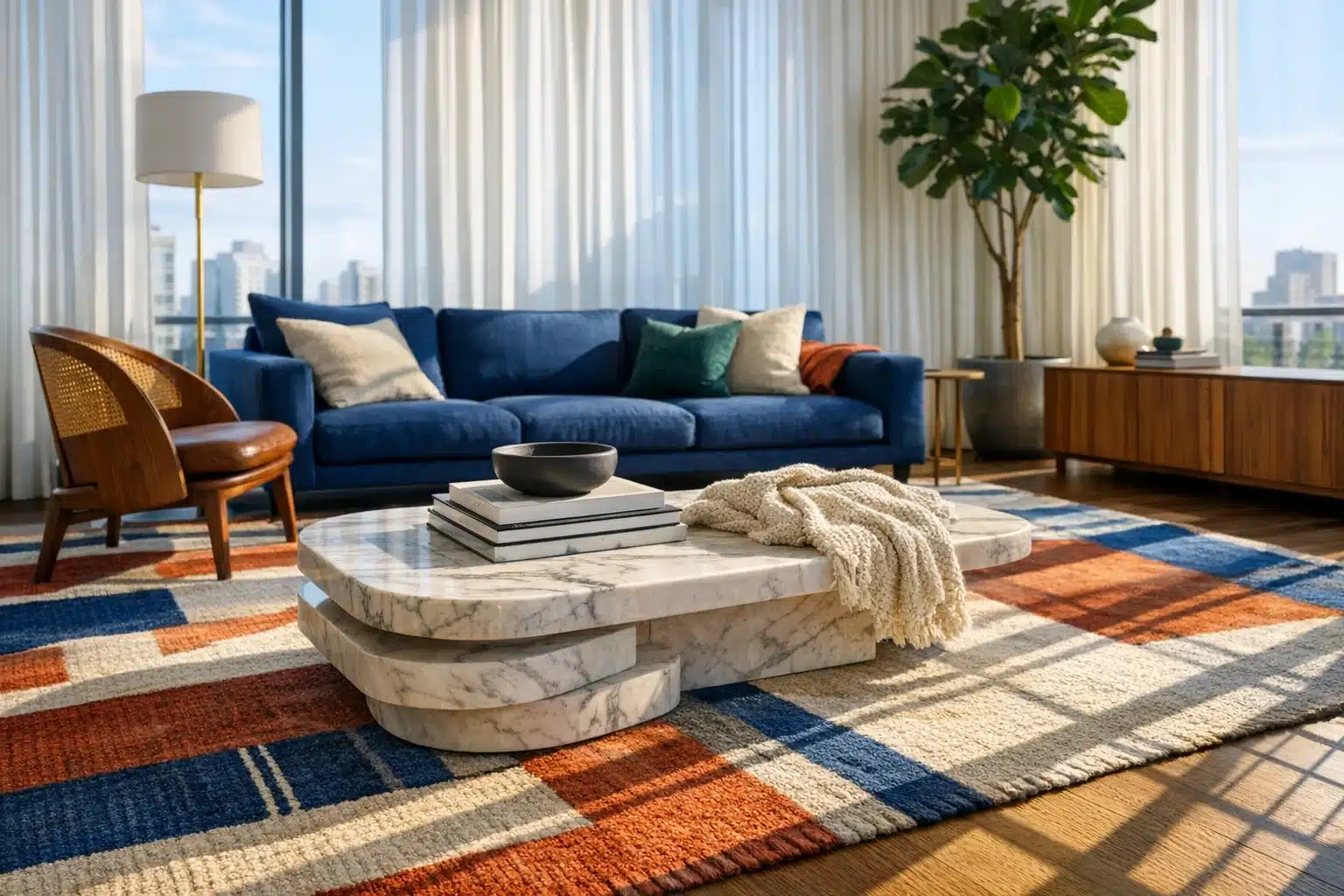
Home Decor Ideas for a Stylish and Comfortable Interior
Home decor sits at the crossroads of comfort, identity, and everyday function, which is why even modest design choices can transform how a room feels and how smoothly a household operates. From the texture of a rug to the path of natural light, house decor and interior decor influence mood, storage, focus, and rest in ways people sense immediately. A thoughtful plan turns scattered belongings into a coherent setting that supports daily life instead of competing with it.
Outline
- Clarifying what home decor, house decor, and interior decor mean in practical terms
- Planning layout, scale, color, lighting, and materials before making purchases
- Using texture, accessories, and personal details to create warmth and character
- Applying smart decor ideas room by room while staying realistic about budget and maintenance
- Bringing everything together with a clear path for readers who want style and comfort at the same time
Understanding Home Decor, House Decor, and Interior Decor
People often use home decor, house decor, and interior decor as if they were identical, and in casual conversation that is usually fine. Still, each phrase points to a slightly different angle. Home decor tends to describe the full atmosphere of a lived-in space, including furniture, color, textiles, lighting, wall art, and the emotional tone of the rooms. House decor often emphasizes the dwelling itself, which can include structural character, exterior style influences, and the way indoor choices connect to the architecture. Interior decor usually focuses more precisely on the arrangement and styling of rooms, especially the visual and functional relationship between objects inside the home.
That distinction matters because good decorating is not just a shopping exercise. It is a problem-solving process. A family with children may need stain-resistant upholstery, rounded furniture corners, and entry storage that keeps bags and shoes from spreading across the floor. A renter may need reversible upgrades, such as peel-and-stick wallpaper, large mirrors, portable lamps, and removable curtain rods. Someone working from home may prioritize acoustic softness, task lighting, and a background that looks calm during video calls. In every case, decor choices are serving a purpose, even when they also happen to be beautiful.
Research in environmental psychology has repeatedly suggested that surroundings affect stress, attention, and comfort. Cluttered rooms can feel mentally noisy, while spaces with clear zones and visual balance often feel easier to use. Natural materials such as wood, cotton, linen, wool, and stone are widely valued not only for their appearance but also for their tactile quality. The hand notices what the eye may overlook. A room with soft drapery, layered lighting, and a balanced layout often feels welcoming before a guest can explain why.
- Home decor is about lifestyle and atmosphere
- House decor relates strongly to the character of the dwelling
- Interior decor centers on how rooms are arranged and styled
Seen this way, decorating becomes less mysterious. It is the art of aligning aesthetics with use. The most successful interiors are rarely the ones with the highest price tag. More often, they are the ones where scale makes sense, surfaces invite touch, lighting suits the time of day, and every piece feels like it belongs in the same conversation. That is the real foundation of a stylish and comfortable interior.
Planning the Foundation: Layout, Scale, Color, and Light
Before buying cushions, candles, artwork, or decorative bowls, it helps to plan the room as if you were drawing a map. A well-decorated interior begins with movement and proportion. If people have to squeeze sideways past a coffee table or step around oversized chairs, the room will feel awkward no matter how elegant the objects may be. Designers often use practical spacing rules for a reason. Walkways are commonly kept around 30 to 36 inches wide when possible. Coffee tables usually sit about 14 to 18 inches from a sofa for easy reach. Dining areas need enough clearance for chairs to slide back comfortably. These are not rigid laws, but they are reliable guides.
Scale is equally important. Many homes look unfinished because the rug is too small, the artwork is hung too high, or the furniture is visually disconnected. In living rooms, a larger rug often works better than people expect; ideally, at least the front legs of the main seating pieces should rest on it. Curtains mounted several inches above the window frame can make ceilings seem taller. A single large artwork can sometimes create more calm than a busy arrangement of tiny pieces. When scale is right, a room feels settled rather than accidental.
Color planning deserves the same care. Light shades can make compact rooms feel more open, but that does not mean every wall should be plain white. Soft clay, sage, warm beige, smoky blue, and muted terracotta can introduce personality without overwhelming the senses. Compare a cool gray room with stainless accents to a room built around creamy paint, oak wood, and woven textures. The first may feel crisp and urban; the second may feel warm and grounded. Neither is inherently better. The right choice depends on the architecture, the natural light, and the mood you want to live with every day.
Lighting often determines whether decor actually works. A beautiful room with harsh overhead light can feel flat and uninviting. Most successful interiors layer illumination through a combination of ambient, task, and accent sources. For many living spaces, warm bulbs in the 2700K to 3000K range create a comfortable tone. Kitchens and work zones may benefit from slightly brighter task lighting, while bedrooms usually feel better with softer bedside lamps than with a single central fixture.
- Measure the room before you shop
- Prioritize flow and practical clearance
- Choose a palette that suits the light already in the space
- Use layered lighting instead of relying on one source
Think of the foundation as the rhythm section in music. If the beat is wrong, the melody cannot rescue it. When layout, scale, color, and lighting are thoughtfully arranged, the decorative details have something solid to stand on.
Layering Texture, Personality, and Visual Warmth
Once the foundation is in place, a room begins to feel memorable through layering. This is where interior decor moves beyond utility and starts telling a story. Texture is one of the most effective tools in that process. A space built only from smooth surfaces can look polished in photographs yet feel cold in daily life. Add a nubby wool throw, washed linen curtains, a woven basket, a matte ceramic lamp, or a vintage wooden stool, and suddenly the room has depth. Texture gives the eye places to rest and the hand reasons to linger.
Comparisons help here. Velvet reflects light and brings formality, while linen absorbs light and suggests ease. Leather can add structure and durability, whereas cotton upholstery often feels softer and more relaxed. Brass tends to read warmer than chrome. Dark walnut furniture introduces richness; pale ash or oak can make a room feel brighter and lighter. Mixing these materials carefully creates complexity without chaos. The goal is not to fill a room with unrelated statements. It is to build quiet contrast.
Accessories work best when they reveal something genuine about the people living in the home. Books, handmade pottery, framed travel photographs, inherited objects, or even a well-chosen stack of magazines can give a room character that no showroom can duplicate. This is where home decor becomes personal rather than generic. If every surface is decorated but nothing has meaning, the result may look staged. A few intentional objects with clear emotional value often do more than dozens of trendy items bought in haste.
Plants are another powerful layer. Even a small apartment can benefit from greenery because plants soften hard edges and introduce natural variation in shape and tone. They are not magic solutions, but they often make interiors feel fresher and more alive. Likewise, textiles improve more than appearance. Rugs, curtains, cushions, and upholstered pieces can absorb sound, which helps reduce echo in rooms with hard flooring and bare walls. That acoustic softness contributes to comfort in a very real way.
- Combine smooth and tactile materials for balance
- Use accessories that reflect memory, hobby, or routine
- Limit color accents so the room stays coherent
- Add plants or botanical elements for movement and softness
A well-layered room feels a little like a conversation by lamplight: calm, textured, warm, and full of subtle detail. It does not need to shout. It only needs to feel lived in, considered, and unmistakably yours.
Practical Decor Ideas for Living Rooms, Bedrooms, Kitchens, and Small Spaces
Decor becomes truly useful when it works in real rooms with real constraints. The living room usually carries the most pressure because it must often do several jobs at once: relaxing, entertaining, reading, watching television, playing, and sometimes working. Start with a clear focal point, whether that is a fireplace, a large window, a media wall, or a striking piece of art. Then arrange seating to support conversation as well as viewing. A sofa pushed against one wall with all other furniture scattered around the perimeter can leave the room feeling hollow. Pulling pieces inward, even slightly, often creates a more social and grounded arrangement.
Bedrooms benefit from a different approach. Here, visual calm matters more than display. Symmetry can help, but it does not have to be rigid. Matching bedside lamps, soft bedding, and a rug that extends beyond the bed can make the room feel anchored. Blackout curtains, layered blankets, and gentle lighting can improve comfort far more than decorative excess. The most successful bedroom decor usually avoids crowding surfaces with too many small objects. Rest is easier in a room that feels edited.
Kitchens and dining areas need decor that respects function. Open shelving can look appealing, but it only works well when the items on display are genuinely used and neatly grouped. Trays, crocks, cutting boards, and a bowl of fruit can add warmth without stealing workspace. In dining zones, a pendant light centered over the table and chairs scaled to the table width create order almost instantly. Washable rugs, wipeable finishes, and durable stools are often smarter choices than delicate pieces that create maintenance anxiety.
Small spaces demand discipline, not deprivation. Mirrors can reflect light and visually expand a room. Furniture with hidden storage, nesting tables, wall-mounted shelves, and benches that double as seating and storage can make compact interiors more efficient. In apartments, vertical thinking matters. Floor lamps, tall bookcases, and high curtain placement draw the eye upward. Light colors help, but so does consistency. A small home filled with mismatched visual noise often feels tighter than one with a limited palette and repeated materials.
- Living room: create a focal point and define seating zones
- Bedroom: reduce visual clutter and prioritize softness
- Kitchen: decorate with practical objects that earn their place
- Small space: use height, reflection, and storage with intention
The smartest house decor choices are not always dramatic. Often they are the ones that make a room easier to use every single day. When beauty and practicality meet, the result lasts longer than a passing trend.
Creating a Stylish and Comfortable Interior That Fits Real Life
For homeowners, renters, first-time decorators, and anyone trying to refresh a tired room without wasting money, the most helpful mindset is to think in stages. Few interiors come together in one weekend, and they do not need to. A stylish home is usually shaped over time through observation, editing, and gradual improvement. Start by noticing what the room already does well. Maybe it has generous daylight, a strong architectural feature, or a useful layout. Build from that strength instead of fighting the space from the beginning.
Next, identify the biggest source of friction. Is the entryway cluttered? Does the bedroom lack storage? Is the living room too dim at night? Solving one practical problem can dramatically improve the feel of the whole home. This is where budget choices become clearer. Spend more on items that affect daily comfort and long-term use, such as a supportive sofa, quality mattress, durable dining chairs, or well-made curtains. Save on trend-driven accents that can be changed easily later, such as cushion covers, decorative objects, or seasonal accessories.
A useful decorating routine looks something like this:
- Measure every room and note problem areas
- Choose a simple palette with one or two accent tones
- Anchor the space with the right rug, lighting, and furniture size
- Add storage before adding more decoration
- Layer art, textiles, and personal objects slowly
- Remove anything that creates clutter without adding function or pleasure
It also helps to take photos of the room. The camera often reveals imbalance faster than the eye does in daily use. You may notice a blank wall, a lamp that is too small, or a side table lost beside a bulky armchair. Little corrections can make a room feel far more intentional. Sustainability is worth considering too. Repainting old furniture, buying secondhand wood pieces, reusing frames, or choosing washable textiles can reduce waste while adding charm and individuality.
In the end, the ideal interior is not the one that imitates a catalog page most closely. It is the one that supports your mornings, softens your evenings, welcomes your guests, and still feels comfortable on an ordinary Tuesday. For readers looking to improve home decor, house decor, or interior decor, that is the real goal: a home that looks refined, feels honest, and works beautifully for the life being lived inside it.