Home Decor Ideas for a Stylish and Comfortable Interior
Outline and Why Home Decor Matters
Home decor shapes more than appearance; it influences mood, comfort, and the way daily routines unfold. A thoughtfully arranged interior can make a compact apartment feel calmer, help a busy family room perform better, and turn an overlooked corner into a place people actually use. This guide explores practical home decor ideas, core design principles, and smart upgrades that balance style with function. Whether you are starting fresh or refining a lived-in space, the sections ahead offer a clear path to a better home.
Home decor and interior decor are often treated as optional finishing touches, yet they affect how people live every single day. The placement of a sofa can improve conversation or block circulation. The color of a wall can make a narrow room feel softer, warmer, or more open. Good storage can reduce visual noise, while layered lighting can shift a room from purely functional to deeply welcoming. In that sense, decor is not just visual styling; it is problem-solving with color, furniture, texture, scale, and light.
This article follows a simple outline so readers can move from inspiration to action:
• Section 1 introduces the purpose of home decor and explains why design choices matter in everyday life.
• Section 2 covers the essential principles of interior decor, including balance, scale, rhythm, focal points, and function.
• Section 3 offers room-by-room home decor ideas for living rooms, bedrooms, kitchens, dining spaces, and work corners.
• Section 4 compares materials, color strategies, and lighting approaches that shape the atmosphere of an interior.
• Section 5 closes with practical advice for homeowners and renters who want a stylish home without losing comfort, personality, or budget control.
The relevance of this topic has only grown. Many people now expect more from their homes: a place to rest, work, host, store, and recharge. That makes decoration less about trends and more about adaptability. A stylish room that fails daily needs quickly becomes frustrating, while a practical room without warmth can feel incomplete. The most successful interiors sit in the middle, where beauty supports comfort and comfort supports real life. That is the heart of modern home decor, and it is the reason thoughtful design remains worth the effort.
Core Interior Decor Principles: Function, Balance, and Visual Harmony
A strong interior rarely begins with accessories. It starts with structure. Before choosing cushions, artwork, or decorative objects, it helps to understand the basic principles that make a room feel coherent. The first principle is function. A home office needs task lighting and storage that support concentration. A dining area needs enough clearance for chairs to move easily. A bedroom should encourage rest rather than visual overload. When the room works well, style has a stable foundation to build on.
Scale and proportion are just as important. A small side table next to an oversized sectional can look lost, while a huge coffee table in a narrow living room can interrupt movement. Designers commonly recommend leaving roughly 30 to 36 inches for major walking paths where possible, because circulation affects comfort more than most people realize. Art placement follows similar logic. A piece hung too high disconnects from furniture, whereas art positioned closer to eye level often feels more integrated. These are not rigid laws, but they are useful guides that explain why some rooms feel settled and others feel awkward.
Balance can be symmetrical or asymmetrical. Symmetry creates formality and calm, which works well in traditional spaces and restful bedrooms. Asymmetry feels more relaxed and natural, which suits contemporary or eclectic interiors. Neither approach is better in every situation. A pair of matching lamps may suit a sofa wall, while a single dramatic floor lamp can give a reading nook more personality. Rhythm matters too. Repeated shapes, finishes, or tones move the eye through the room and prevent the design from feeling random.
Three ideas help bring these principles together:
• Establish one focal point, such as a fireplace, a headboard wall, a large window, or a striking artwork.
• Repeat materials or colors in small doses so the room feels connected rather than scattered.
• Leave breathing room. Negative space is not emptiness; it helps key pieces stand out.
There is also an important comparison between decorating for image and decorating for experience. A room designed only for photographs can look polished but feel stiff. A room designed only for utility may solve problems yet lack emotional appeal. The best interiors do both. They invite people in, guide movement naturally, and still offer moments of beauty. When function, scale, balance, and focus align, decorating becomes easier because every later decision has a clear direction.
Room-by-Room Home Decor Ideas That Blend Style with Everyday Living
One reason home decor feels overwhelming is that every room asks for a different solution. The living room handles conversation, relaxation, media, and often storage. Bedrooms need softness, privacy, and order. Kitchens and dining areas must perform well under daily use while still feeling inviting. Looking at rooms individually makes the process more practical, because each space has a different job and therefore a different decor strategy.
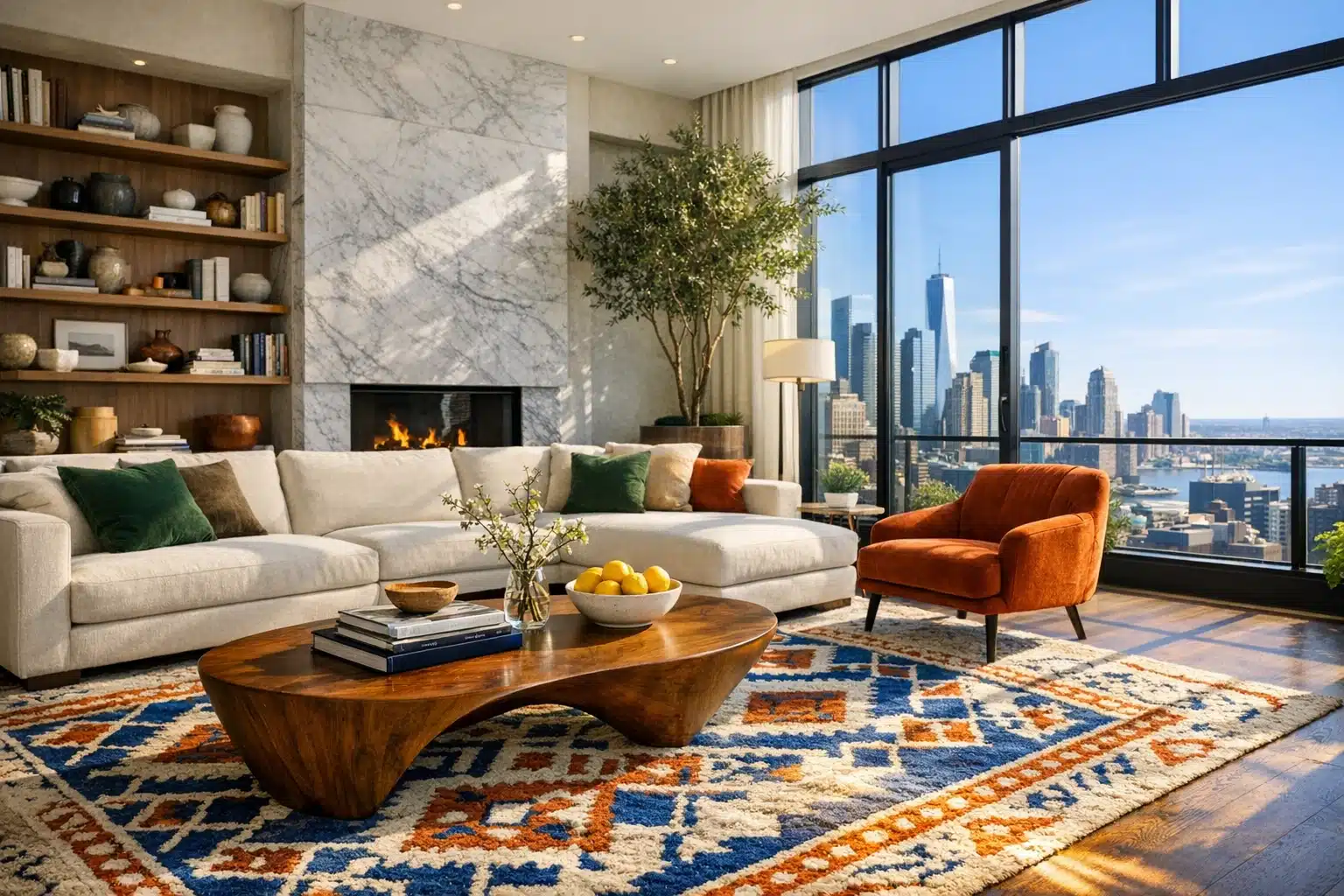
In the living room, seating layout deserves first priority. A stylish sofa means little if it faces the wrong direction or leaves no place for a side table. A rug can anchor the arrangement and visually gather separate pieces into one composition. In many interiors, a rug looks more intentional when at least the front legs of major seating pieces rest on it. Coffee tables also need proportion. If they are too tiny, they disappear; if they are too large, they interrupt movement. Fabrics matter here as well. Linen feels airy, velvet adds richness, and performance fabrics are especially useful in homes with children or pets.
Bedrooms benefit from restraint. Too many decorative elements can make a sleep space feel restless. Instead of filling every surface, focus on layers: quality bedding, a supportive rug underfoot, curtains that manage light, and bedside lighting suitable for reading. Upholstered headboards soften acoustics and add comfort. If the room is small, wall-mounted sconces or floating nightstands can free up floor area. A bedroom should feel like an exhale, not a storage room wearing decorative clothing.
Kitchens and dining spaces call for a different balance. Hard surfaces dominate, so warmth often comes from contrast:
• Wooden stools can soften sleek cabinetry.
• Pendant lighting can define the dining zone and add character.
• A runner, framed prints, or a bowl of fresh produce can introduce texture and color without interfering with function.
Entryways and work corners are often neglected, yet they shape daily experience. An entry bench, hooks, and a mirror can reduce clutter while making arrivals and departures smoother. A compact workspace benefits from vertical shelving, directional light, and a chair that supports posture over time. These choices may sound modest, but they are the kind that change routines quietly and effectively. Good room-by-room decor does not chase drama in every corner. Instead, it gives each part of the home what it actually needs, then adds enough charm to make the practical feel special.
Color, Lighting, Texture, and Materials: The Elements That Change Everything
If furniture forms the bones of an interior, color and light create its atmosphere. Two rooms with nearly identical layouts can feel entirely different because of wall tone, bulb temperature, surface finish, or fabric choice. This is why successful home decor often depends less on buying more and more on choosing the right mix of visual elements. A quiet room is rarely accidental; it is usually built through controlled contrast.
Color is the first major tool. Light neutrals can make a room feel open, but they are not automatically easier to use than darker shades. Every paint color carries undertones, and those undertones change under daylight, evening light, and neighboring finishes. A cool gray beside warm wood may appear sharper than expected, while a beige with rosy undertones can soften a modern space. Bold colors work best when they have a plan. A deep green can feel grounded and elegant on cabinetry or a feature wall, while a bright accent used in textiles can energize a room without dominating it. The comparison is not between safe and daring; it is between controlled and unconsidered.
Lighting deserves equal attention. A single ceiling fixture rarely creates a comfortable interior on its own. Layered lighting usually performs better because it supports multiple activities and moods. Warm white bulbs in the 2700K to 3000K range are commonly used in living rooms and bedrooms for a softer effect, while task areas may benefit from slightly cooler or brighter light depending on use. Color rendering also matters. Bulbs with a high CRI, often around 90 or above, tend to show paint, wood, and textiles more accurately. A room can contain beautiful materials and still feel flat if the lighting is harsh or poorly placed.
Texture and materials complete the picture:
• Natural wood adds warmth and visual grain.
• Metal finishes introduce contrast and can lean industrial, classic, or refined depending on tone.
• Glass reflects light and helps dense rooms feel lighter.
• Textiles such as wool, cotton, boucle, leather, and velvet add comfort through touch and visual depth.
Even small adjustments can transform a room. Matte finishes often feel softer and more relaxed than glossy ones. A woven basket can balance sleek cabinetry. Sheer curtains filter daylight differently from blackout panels, and both serve distinct purposes. Decorating becomes much more effective when these elements are treated as a conversation rather than a checklist. The room starts to feel composed, almost like music finding its rhythm, when color, lighting, texture, and material finish support the same mood.
Conclusion for Homeowners and Renters: Building a Stylish Interior That Still Feels Like Home
For most people, the goal of home decor is not perfection. It is improvement that feels lasting, useful, and true to the way they live. That matters whether someone owns a large house, rents a city apartment, shares space with family, or simply wants one room to feel better than it did before. A stylish interior does not require expensive designer pieces in every corner. More often, it comes from a series of thoughtful decisions made in the right order: understand the room, set priorities, choose a color direction, invest where comfort matters, and style slowly enough to notice what the space still needs.
This is especially important for readers who feel pulled between trends and practicality. Trend-driven decor can be exciting, but not every popular look ages well or fits every lifestyle. Curved furniture, bold patterns, or highly minimal rooms can look impressive online while proving less flexible in everyday use. Timeless decor, by comparison, usually relies on durable basics: comfortable seating, balanced lighting, useful storage, and a consistent material palette. That does not mean a home should look bland. Personality enters through art, books, collected objects, plants, heirlooms, handmade pieces, and color choices that actually reflect the people living there.
A smart way to move forward is to edit first and purchase second:
• Remove items that crowd surfaces or block movement.
• Identify one problem per room, such as poor lighting, missing storage, or weak layout.
• Upgrade foundational pieces before buying purely decorative accents.
• Add finishing touches only after the room already functions well.
The most satisfying interiors are not the ones that chase approval. They are the ones that support morning routines, quiet evenings, shared meals, focused work, and ordinary comfort. A reading chair placed near a window, a rug that softens footsteps, a lamp that warms the room at dusk, or a shelf that finally brings order to daily clutter can do more than a flashy purchase ever will. For homeowners and renters alike, the real power of home decor lies in making life feel easier, calmer, and a little more beautiful every day. That is not a small achievement. It is the whole point.