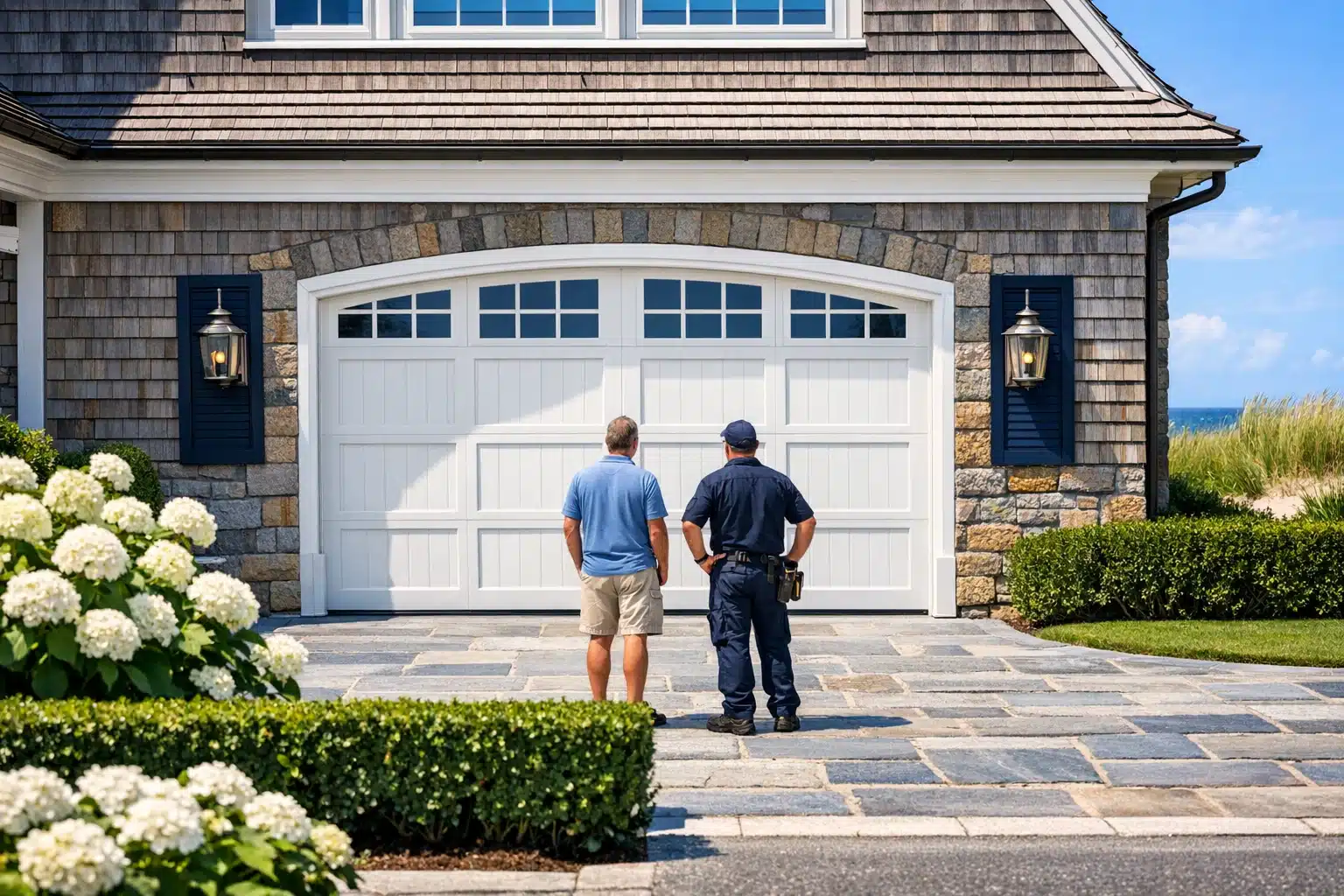
Garage Door Repair, Service, and Company Guide
A garage door is one of the hardest-working systems in a home, opening for school runs, deliveries, workouts, and late-night returns while absorbing heat, rain, dust, and vibration. When it hesitates, bangs, or stops sealing the opening, the problem is not only inconvenient but also tied to safety, security, and energy loss. Knowing how repair works, what regular service actually includes, and how to judge a garage door company can save time and costly guesswork. This article turns those moving parts into clear decisions, helping homeowners spot warning signs and choose practical next steps.
Outline
- Why garage doors fail and the warning signs that should not be ignored
- How the repair process works, including safe homeowner tasks and jobs for trained technicians
- What garage door service includes and why maintenance prevents avoidable breakdowns
- How to compare garage door companies, estimates, warranties, and service quality
- A homeowner-focused conclusion on repair, replacement, cost planning, and smart long-term decisions
1. Why Garage Doors Fail: Common Problems, Warning Signs, and What They Usually Mean
A garage door rarely fails at a convenient time. It usually starts with a clue so small it seems easy to ignore: a scraping sound, a slow start, a jerky motion, or a narrow strip of daylight under the bottom seal. Those clues matter because a garage door is a coordinated system, not a single panel moving up and down. Springs carry weight, cables maintain tension, rollers guide the path, tracks keep alignment, hinges articulate the sections, and the opener provides controlled motion. If one component drifts out of spec, strain spreads to the others.
Most residential garage doors weigh far more than they appear to. Depending on material and size, a door can weigh well over 100 pounds, and larger insulated models can weigh much more. That is why spring health is so important. Torsion springs are commonly rated for about 10,000 cycles, with higher-cycle options available for households that use the garage as the main entrance. One cycle means the door opens and closes once. In a busy home, those cycles add up faster than expected.
Common repair issues include:
- Broken or fatigued springs that leave the door heavy, crooked, or unable to lift
- Worn rollers that create rattling, grinding, or shaky travel
- Frayed cables that signal immediate safety concerns
- Misaligned tracks that cause binding, rubbing, or uneven movement
- Sensor problems that stop the door from closing properly
- Weather seal damage that allows drafts, water, and debris inside
Symptoms can also point to specific causes. A door that closes halfway and reverses may have sensor alignment issues, force setting problems, or an obstruction in the track. A loud bang from the garage can mean a spring has snapped. A door that moves a few inches and stops may be fighting a balance problem rather than an opener failure. In other words, the opener is often blamed first, but it is not always the true culprit.
For homeowners, the practical lesson is simple: noises, hesitation, and uneven travel are not personality traits of an aging door. They are early warnings. Catching them early often turns a major breakdown into a smaller, more affordable repair, and it reduces the chance of being stuck with a car trapped inside on a busy morning.
2. Garage Door Repair Explained: Inspection, Safe Fixes, and When to Call a Professional
Garage door repair begins with diagnosis, not guesswork. A capable technician does not arrive, tighten a random bolt, and hope for the best. The process usually starts with a visual inspection of springs, rollers, hinges, cables, tracks, brackets, and the opener system. Then comes an operational test: how smoothly the door moves, whether it stays balanced when disconnected from the opener, and how the safety reverse responds during closing. This step-by-step approach matters because one visible symptom can have multiple causes.
Homeowners can safely handle a few basic tasks. Replacing remote batteries, cleaning photo-eye sensors, checking for debris in the track, and applying a garage-door-specific lubricant to rollers, hinges, and springs are reasonable maintenance actions. Tightening a loose weather seal or replacing worn keypad batteries also falls within normal home care. These tasks are low-risk and often solve minor annoyances.
Other repairs belong firmly in professional hands. Torsion springs store substantial energy, and cables connected to those springs can whip or snap under tension. Bottom brackets, cable drums, and spring anchor hardware are not casual weekend projects. A trained technician uses proper winding bars, locking tools, and a tested procedure. That is not a sales line; it is a safety issue. The same caution applies when a door has come off track or when track alignment requires structural adjustment.
A useful way to compare repair scenarios is this:
-
Low complexity: sensor cleaning, remote programming, lubrication, weather seal replacement
-
Moderate complexity: roller replacement, hinge replacement, opener setting adjustments, minor track correction
-
High risk: spring replacement, cable repair, bottom bracket work, major door rehang, structural opener issues
Repair quality also depends on the parts used. Nylon rollers tend to run more quietly than older steel rollers. High-cycle springs may cost more up front but can offer better long-term value for high-use households. If an opener motor is sound, a technician may repair the drive system or logic components instead of recommending full replacement. That distinction separates genuine diagnosis from upselling.
The best repair visits leave the homeowner with answers, not just a receipt. What failed, why it failed, how urgent the issue is, and what to watch next should all be explained clearly. Good garage door repair restores motion, but great repair restores confidence as well.
3. What Garage Door Service Includes and Why Preventive Maintenance Pays Off
Garage door service is often misunderstood because it does not always involve a dramatic repair. There may be no broken spring on the floor and no trapped vehicle in the garage. Instead, service is the quiet work that keeps the system from reaching that crisis point. If repair is emergency medicine, routine service is preventive care. It addresses wear before it becomes failure.
A thorough service appointment usually includes inspection, cleaning, lubrication, minor adjustment, and safety testing. The technician may examine spring tension, check cable condition, tighten mounting hardware, evaluate roller wear, verify track alignment, and test opener settings. The balance test is especially important. A properly balanced door should not feel excessively heavy and should stay near its position when manually set halfway open. If balance is off, the opener has to work harder, which can shorten its life.
On automatic systems, safety testing deserves special attention. Modern garage door openers are expected to reverse when they detect obstruction and to use photo-eye sensors near the floor. If those features are dirty, misaligned, or improperly adjusted, the door may fail to close or, worse, close unsafely. Service also covers force settings, travel limits, and sensor performance, which are easy to overlook until a malfunction becomes obvious.
Typical service items include:
- Lubricating moving parts with the correct product
- Tightening bolts, brackets, and hinge fasteners loosened by vibration
- Checking rollers, bearings, and hinges for wear
- Inspecting springs and cables for fatigue or corrosion
- Testing balance, auto-reverse, and photo-eye alignment
- Reviewing weather seals and bottom rubber for gaps
How often should service be scheduled? For many homes, an annual inspection is a sensible baseline, while high-use garages may benefit from service every six months. Climate matters too. Coastal humidity encourages corrosion, dusty regions can foul tracks and sensors, and cold-weather areas often expose stiff seals and lubrication issues. A door that faces direct sun may also age differently than one in a shaded garage.
The value of service is not limited to mechanical reliability. A well-maintained garage door operates more quietly, seals better against drafts, and creates fewer surprise expenses. There is also a psychological benefit: the door becomes something you trust rather than something you listen to with suspicion every morning. In home maintenance, that kind of calm is not glamorous, but it is valuable.
4. How to Choose the Right Garage Door Company: Credentials, Service Quality, and Red Flags
Choosing a garage door company is not just about finding someone who can arrive quickly. Speed matters, especially when a vehicle is trapped or the door will not secure the home, but reliability matters more. A good company combines technical skill, clear communication, transparent estimates, and a willingness to explain options without pressure. A poor one often hides behind vague language, surprise fees, or blanket recommendations for full replacement when a repair would do.
Start with the basics. Check whether the company is insured and whether local regulations require licensing or registration for the work being performed. Read reviews, but read them intelligently. A perfect star rating alone proves little. Look for patterns in customer comments: punctuality, clarity of diagnosis, respect for property, and whether final invoices matched the estimate. A company that repeatedly earns praise for explaining repairs in plain language is usually worth a closer look.
Written estimates are essential. They should separate labor, parts, service call charges, and optional upgrades. That allows homeowners to compare apples to apples. One company may quote a low number but use short-cycle springs, while another may include higher-grade parts with a stronger warranty. The lower price is not automatically the better deal if the door is likely to need the same repair again sooner.
Questions worth asking include:
- What caused the issue, and is there more than one repair option?
- Are the replacement parts standard or high-cycle versions?
- What warranty applies to labor and to parts separately?
- Will the technician test balance and safety features before leaving?
- Is emergency service priced differently from standard appointments?
There are also red flags homeowners should not ignore. Be cautious if a technician refuses to explain the failed part, pressures you to approve work immediately without detail, or claims that every old door is unsafe beyond repair. Another warning sign is a company that quotes only by phone without any inspection, especially for complex problems. Garage door systems vary by age, spring setup, opener type, weight, and track configuration, so blanket pricing can be misleading.
The best companies behave more like long-term service partners than one-time contractors. They document the condition of the door, recommend sensible maintenance intervals, and help the homeowner plan ahead. That kind of professionalism turns a stressful repair visit into an informed decision, which is exactly what most people want when a giant moving wall suddenly stops cooperating.
5. Conclusion for Homeowners: Repair, Service, Replacement, and the Smartest Next Step
For most homeowners, the real question is not simply, “Who can fix my garage door today?” It is, “What decision makes sense for my home, my budget, and my daily routine?” That is where repair, service, and company selection come together. A well-timed repair can restore safe operation quickly. Regular service can keep small issues from multiplying. A trustworthy garage door company can help you judge whether a worn system deserves another repair or whether replacement offers better value.
Repair usually makes sense when the door panels are sound, the track system is structurally intact, and the problem is limited to parts such as springs, rollers, cables, sensors, or opener components. Service is the better focus when the door still works but shows normal wear, increasing noise, or seasonal stiffness. Replacement becomes more attractive when the door is badly damaged, poorly insulated, repeatedly failing, or outdated enough that new parts are difficult to source.
Homeowners comparing options should think in layers:
- Immediate need: Can the door be used safely right now?
- Near-term cost: Is the current repair likely to hold up, or is another failure close behind?
- Long-term value: Would a newer insulated door improve comfort, noise control, and curb appeal?
- Service relationship: Is there a dependable company available for future maintenance and support?
There is also a broader home-value angle. Garage doors affect first impressions more than many exterior features because they occupy a large visual footprint. Industry remodeling reports often place garage door replacement among the stronger projects for cost recovery, especially when the old door is visibly tired. That does not mean replacement is always the answer, but it does mean the choice reaches beyond mechanics alone.
If you are hearing new noises, seeing uneven movement, or dealing with a door that no longer feels trustworthy, act before the problem escalates. Schedule an inspection, ask informed questions, and request a written estimate with clear options. The best outcome is not necessarily the cheapest invoice or the fastest appointment. It is a door that operates safely, a service plan that fits your household, and a garage door company you would feel comfortable calling again when the seasons change and the hardware asks for attention.