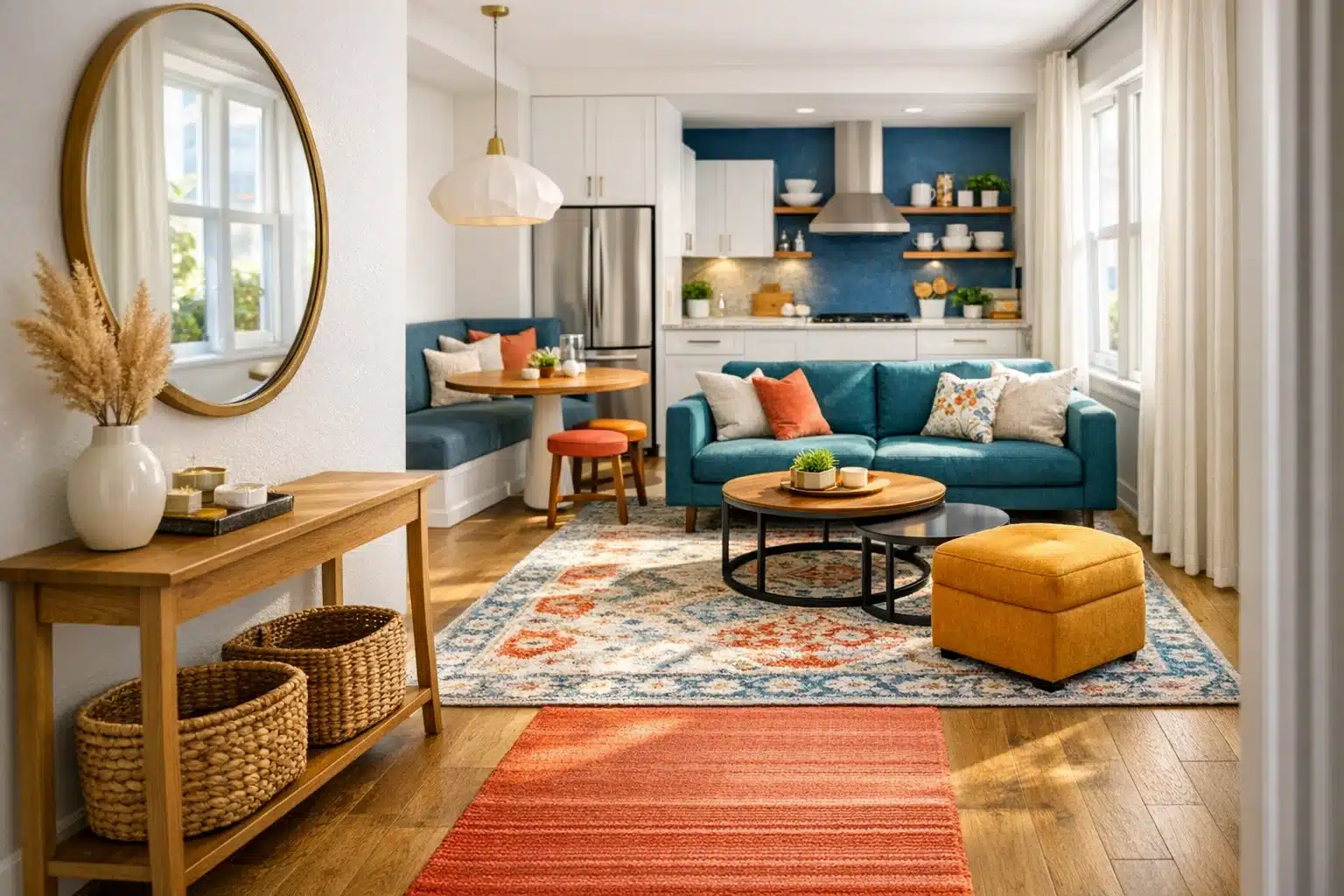
Home Decor Ideas for Stylish and Comfortable Interiors
Article Outline
- Why home decor matters and how it affects comfort, function, and atmosphere
- The core principles of balance, proportion, color, and personal style
- Room-by-room interior decor strategies for living areas, bedrooms, kitchens, and small spaces
- How lighting, texture, and materials shape the mood of an interior
- Budget-friendly and sustainable home decoration ideas that improve everyday living
- A practical conclusion for readers who want stylish rooms that remain easy to maintain
Introduction
Home decor matters because the spaces people inhabit every day quietly influence mood, focus, comfort, and even the ease of ordinary routines. A thoughtfully arranged room can make a compact apartment feel open, help a busy family stay organized, and turn a plain corner into a place that invites reading or conversation. In a world where homes often double as offices, classrooms, and retreats, interior decor is no longer cosmetic; it is part of how modern life works.
The Foundations of Good Home Decor
Good home decor begins with a simple truth: beautiful rooms usually work well before they impress visually. When people talk about stylish interiors, they often focus on colors, furniture, or trend pieces, but the strongest spaces are built on quieter principles such as proportion, balance, rhythm, and purpose. A room that feels pleasant to live in is rarely an accident. It is the result of thoughtful choices that connect appearance with function.
One of the most useful ideas in interior decor is proportion. Large furniture in a small room can make the space feel cramped, while tiny pieces in a large room may appear scattered and uncertain. This is why designers often start by measuring walls, ceiling height, and walking space before buying major items. For example, a rug that is too small can visually shrink a living room, while a rug large enough to sit under at least the front legs of sofas and chairs usually creates a more grounded arrangement. In dining areas, enough clearance around the table matters just as much as style. If chairs cannot slide back comfortably, the room will feel awkward no matter how elegant it looks.
Balance also shapes how a home feels. Symmetrical rooms, where elements mirror each other, often appear calm and formal. Asymmetrical rooms, where different objects create equivalent visual weight, feel more relaxed and contemporary. Neither approach is automatically better. A traditional sitting room may benefit from matching lamps and chairs, while a modern apartment may come alive through contrast, such as a clean-lined sofa paired with a vintage wood coffee table. The choice depends on the mood the homeowner wants to create.
Color is another structural tool, not just a finishing touch. A common guideline is the 60 30 10 rule:
- 60 percent dominant color for walls or large surfaces
- 30 percent secondary color through upholstery, curtains, or rugs
- 10 percent accent color in art, cushions, or accessories
This approach helps rooms feel coordinated without becoming rigid. It is especially useful for people who like variety but want to avoid visual clutter.
Personal style should sit on top of these basics, not replace them. Minimal decor can feel serene when supported by texture and warm lighting. Layered decor can feel inviting when the objects share a common palette or material story. A home should not read like a catalog page copied from one source. It should feel edited, lived in, and true to the people using it. The most memorable interiors do not shout. They speak clearly, like a well-composed sentence that says exactly what it means.
Room-by-Room Interior Decor That Supports Everyday Life
Interior decor works best when it responds to how each room is actually used. A living room is not judged only by how it looks in daylight; it is judged by whether people can relax there, talk easily, set down a cup, read comfortably, and move through the space without weaving around obstacles. A bedroom should not merely appear restful in a photograph; it should promote sleep, storage, and calm. Home decoration becomes meaningful when it helps daily routines run more smoothly.
In the living room, layout is usually the first major decision. Many people place every item against the walls, assuming this creates more space, but that often leaves a room feeling disconnected. Pulling furniture slightly inward can create a stronger conversation area. A focal point helps too. This may be a fireplace, a window, a media unit, or a large artwork. Once the focal point is clear, other pieces can support it rather than compete with it. Tables should be close enough to reach comfortably, and seating should feel sociable rather than isolated. Even in small apartments, a clear arrangement often makes the room seem larger because it reduces visual confusion.
Bedrooms benefit from restraint. Unlike active spaces, they usually perform better with fewer visual interruptions. Soft textiles, bedside lighting, and layered bedding matter more than filling every corner. Blackout curtains can improve sleep quality by limiting light intrusion, and warm-toned lamps usually create a calmer atmosphere than harsh overhead fixtures. If storage is limited, furniture that does double duty, such as a bed with drawers or a bench with hidden compartments, can reduce clutter without sacrificing style.
Kitchens and dining spaces deserve decor choices that are durable as well as attractive. Washable paint, easy-clean surfaces, and practical lighting are often wiser than delicate decorative pieces. In these zones, materials do real work. A runner can soften a kitchen walkway, but it should also be stable and easy to maintain. Dining areas feel more inviting with a pendant light above the table, because light defines the gathering point and makes meals feel intentional rather than improvised.
For quick planning, it helps to think room by room:
- Living room: comfort, conversation, lighting, and a clear focal point
- Bedroom: rest, softness, storage, and visual quiet
- Kitchen: durability, task lighting, and easy maintenance
- Dining area: circulation, table scale, and welcoming atmosphere
- Entryway: order, storage, and a strong first impression
The best comparison is not between trendy and classic decor, but between decor that merely fills space and decor that actively improves how space is lived in. When function leads, style follows with far more confidence.
How Color, Light, and Texture Transform a Home
If furniture forms the skeleton of a room, then color, light, and texture give it a pulse. These three elements can turn an ordinary interior into one that feels warm, expressive, and complete. They also explain why two rooms with similar furniture can feel completely different. One may seem flat and forgettable, while the other feels layered, intentional, and inviting. The difference often lies in atmosphere rather than expense.
Color influences perception in powerful ways. Light shades often make rooms feel more open because they reflect more light, while deeper tones can create coziness and drama. That does not mean small rooms must always be painted white. A compact study in a deep green or charcoal can feel intimate and sophisticated, especially when paired with warm lighting and contrasting trim. The key is consistency. A scattered palette can make a space feel undecided, while a controlled palette gives even eclectic interiors a sense of order. Accent colors are most effective when repeated lightly across the room rather than introduced once and forgotten.
Lighting is equally critical and often underestimated. A single ceiling fixture rarely delivers the best result. Most comfortable interiors rely on layered lighting:
- Ambient lighting for overall illumination
- Task lighting for reading, cooking, or desk work
- Accent lighting for art, shelves, or architectural details
Warm white bulbs in the 2700K to 3000K range are commonly preferred in living rooms and bedrooms because they produce a softer, more relaxed effect than cooler office-style light. In work areas such as kitchens, brighter and more focused lighting improves visibility and usability. Bulbs with good color rendering also help paint, textiles, and wood tones appear more accurate and natural.
Texture is what prevents a room from feeling sterile. A neutral room with linen curtains, a wool rug, matte ceramics, natural wood, and a velvet cushion will usually feel richer than a brightly colored room made entirely of smooth, hard surfaces. Texture creates depth even when the palette is quiet. This is especially important in minimalist interiors, where too little variation can make a room seem cold. In more traditional or bohemian spaces, texture helps different objects feel connected rather than random.
There is also an emotional dimension to these choices. Sunlight moving across a textured wall, a woven basket near a reading chair, or the glow of a lamp on a rainy evening can make a room feel almost narrative, as if it is holding the memory of daily life. That is where home decoration becomes more than arrangement. It becomes atmosphere. And atmosphere is often what people remember long after they forget the exact brand or color name of the sofa.
Budget-Friendly and Sustainable Home Decoration Ideas
Stylish interiors do not require unlimited spending. In fact, some of the most character-filled homes are shaped slowly, with patience rather than impulse. Budget-friendly home decoration is not about buying the cheapest items available; it is about directing money toward choices that deliver lasting visual and practical value. A room can feel far more refined with one well-made lamp, a proper rug, and fresh paint than with a collection of trendy accessories that age quickly.
Paint remains one of the highest-impact updates for the money. Changing wall color can alter brightness, highlight architectural details, and reset the mood of a room in a way few other improvements can. Hardware is another small but effective upgrade. New cabinet handles, drawer pulls, or curtain rods can give older pieces a cleaner and more intentional appearance. Textiles are equally useful. Cushion covers, throws, and curtains can refresh a room seasonally without requiring major purchases.
Secondhand furniture is often a smart option, especially for wood pieces, dining tables, sideboards, and vintage chairs. Older furniture frequently offers stronger materials than mass-produced alternatives at the same price point. With sanding, paint, stain, or reupholstery, many secondhand finds can be adapted to suit modern interiors. This approach also supports sustainability by extending product life and reducing waste. The most sustainable object is often the one that already exists.
A practical budget strategy is to divide purchases into levels:
- Invest more in items used daily, such as sofas, mattresses, dining chairs, and quality lighting
- Spend moderately on rugs, curtains, mirrors, and storage that shape the room visually
- Save on trend-led accessories that can be rotated or replaced over time
This hierarchy helps avoid a common mistake: overspending on decorative extras while neglecting the elements that define comfort.
Sustainable decor also includes material awareness. Natural fibers such as cotton, wool, linen, jute, and solid wood often age more gracefully than synthetic, disposable alternatives. That does not mean every home must become rustic or expensive. It simply means choosing items with longevity in mind. Even small habits matter, such as repairing instead of replacing, donating decor that no longer fits, and buying fewer items with clearer purpose.
There is a quiet confidence in rooms built gradually. They tend to avoid the rushed sameness that comes from copying a trend all at once. Instead, they collect meaning. A flea-market side table, a framed print from travel, a lamp inherited from family, and a new rug chosen with care can coexist beautifully. When budget and sustainability guide decorating, the result is often not only smarter, but warmer and more personal as well.
Conclusion: Creating a Stylish and Comfortable Home That Lasts
For homeowners, renters, new decorators, and anyone trying to improve a space without losing practicality, the central lesson is reassuringly simple: good interior decor is not a mystery reserved for professionals. It is a series of thoughtful decisions about how a room should feel, how it should function, and what it should express. Home decor succeeds when it supports daily life while still leaving room for beauty, personality, and comfort.
Across every part of the home, the same principles return in different forms. Measure before buying. Choose furniture that fits the room and the routine. Use color with intention rather than out of habit. Layer lighting instead of relying on one bright source. Add texture so neutral spaces feel alive. Spend more where comfort matters most, and decorate gradually so the home develops character instead of rushing toward a finished look that may not last. These ideas are not restrictive rules. They are reliable tools.
If you are unsure where to begin, start with a short plan:
- Identify the main purpose of each room
- Remove pieces that disrupt movement or create clutter
- Choose a calm and consistent color direction
- Add lighting at more than one height
- Bring in texture through rugs, fabrics, wood, or woven materials
- Finish with a few personal objects that tell your story
This sequence works because it puts structure before decoration and purpose before trend.
The most successful homes are rarely the most expensive or the most dramatic. They are the ones that make people feel at ease. They welcome conversation, rest, work, and everyday rituals without friction. A well-decorated home does not need to look perfect at all times. It needs to feel coherent, useful, and genuinely lived in. That is what turns home decoration from a visual exercise into a lasting advantage for modern life.
In the end, stylish and comfortable interiors are built through attention, not excess. A chair placed by a window, the right reading lamp, a balanced palette, or a rug that softens the floor underfoot can change how a room is experienced every single day. When decor is approached with patience and clarity, the result is not just a nicer room. It is a home that supports the people inside it, quietly and beautifully, over time.